Blog Fullscreen

Актуальная информация о кракен официальный сайт в 2026 году

Обзор возможностей и особенностей работы с маркетплейсом Kraken в даркнете: безопасность, доступ и рекомендации.

Актуальная информация о кракен официальный сайт в 2026 году

Обзор возможностей и особенностей работы с маркетплейсом Kraken в даркнете: безопасность, доступ и рекомендации.

Kraken остается одним из самых популярных маркетплейсов в даркнете, предлагая пользователям анонимность и широкий выбор товаров. В 2026 году платформа продолжает развиваться, внедряя новые механизмы защиты и удобные инструменты для сделок. В этой статье мы рассмотрим ключевые аспекты работы с кракен официальный сайт, включая способы доступа и меры предосторожности.

Как получить доступ к Kraken в 2026 году

Для входа на кракен официальный сайт требуется специальное программное обеспечение, такое как Tor или I2P. Эти сети обеспечивают анонимность, скрывая IP-адреса пользователей. Важно использовать только проверенные зеркала, чтобы избежать фишинговых атак. Актуальные ссылки можно найти на тематических форумах или через доверенные источники.

Некоторые пользователи предпочитают получать информацию через ресурсы вроде docauquanghuy.com, где публикуются обновленные данные о работе платформы. Однако всегда стоит перепроверять информацию перед использованием.

Безопасность при работе с Kraken

Анонимность — главный приоритет при посещении даркнет-маркетплейсов. Рекомендуется использовать VPN в сочетании с Tor для дополнительной защиты. Также важно избегать сохранения личных данных и регулярно менять пароли.

Особенности Kraken в 2026 году

За последние годы Kraken значительно улучшил интерфейс и систему escrow, что делает сделки более безопасными. Платформа поддерживает несколько криптовалют, включая Bitcoin и Monero, что упрощает анонимные платежи.

Альтернативные способы входа

Если основной сайт недоступен, можно попробовать использовать зеркала или альтернативные домены. Однако важно убедиться в их подлинности, чтобы не стать жертвой мошенников.

Заключение

Kraken остается надежным маркетплейсом в даркнете, но требует осторожности при использовании. Соблюдая правила безопасности и проверяя источники, можно минимизировать риски и успешно пользоваться платформой в 2026 году.

How Businesses Improve Visibility With Better Content Planning

Publishing more content does not automatically create better results. The strongest sites usually work from an editorial plan that connects audience needs, business priorities, and realistic publishing frequency.

A practical way to improve performance is to focus on evergreen resources and continuously refine them over time. Many of the strongest examples of content marketing succeed because they answer recurring questions clearly and remain useful well beyond the publication date.

When teams combine research, internal expertise, and simple performance analysis, they usually produce fewer weak pages and more articles that attract links, rankings, and repeat visits over time.

Validation reference: bbv-validation-0

Explore the top casinos in Canada offering exciting games, luxurious environments, and exceptional services. Find out what makes these casinos the best in the country.

Canada is known for its stunning landscapes, friendly people, and world-class entertainment options. Among these, the vibrant casino industry stands out, offering an array of gaming experiences for both locals and tourists. If you are looking for the best canada casino, you’ll be thrilled with the choices available across the provinces. From the bustling streets of Ontario to the serene ambiance of British Columbia, Canada is home to some of the most impressive casinos in the world.

Understanding the Casino Landscape in Canada

Canada’s casino industry has grown tremendously over the years, evolving from small gaming establishments to large-scale resorts that offer a multitude of entertainment options. There are several provinces with regulations around gambling, which allow for a diverse mix of gaming opportunities. This ensures that players have the chance to explore different styles of play, from traditional table games to modern video slots.

Features of the Best Canada Casinos

The best casinos in Canada share several key features that elevate the gaming experience:

  • Diverse Gaming Options: Whether you prefer classic table games like blackjack and roulette or the latest video slots, top Canadian casinos provide a wide range of gaming options to satisfy every type of player.
  • Luxurious Amenities: The best casinos also offer luxurious amenities, including fine dining restaurants, lavish hotel accommodations, and relaxation areas with spas and fitness centers.
  • Exciting Promotions and Events: In order to enhance the gaming experience, top casinos frequently host events, tournaments, and exciting promotions that attract both new and returning players.
  • Top-Notch Customer Service: Excellent customer service is crucial in the casino industry, and the best casinos in Canada take pride in ensuring all guests feel welcomed and valued.

Top Casinos to Visit in Canada

Here’s a shortlist of some of the best casinos across Canada that you should consider visiting:

1. Casino de Montréal (Montreal, Quebec)

One of the largest casinos in the world, Casino de Montréal offers an extensive gaming floor featuring thousands of slot machines and numerous table games. It also boasts a variety of entertainment options, including live shows and fine dining restaurants.

2. Fallsview Casino Resort (Niagara Falls, Ontario)

Overlooking the breathtaking Niagara Falls, the Fallsview Casino Resort is a luxurious establishment featuring a wide array of gaming options, upscale shopping, and gourmet dining experiences, making it a must-visit destination.

3. River Rock Casino Resort (Richmond, British Columbia)

Known for its beautiful riverside views, River Rock offers a unique combination of gaming and relaxation with its hotel, spa, and fine dining options, providing a holistic experience for all guests.

4. Casino Rama (Rama, Ontario)

Casino Rama is another premier destination, famed for its extensive gaming options, including poker rooms and slot machines. The venue regularly hosts concerts and entertainment shows, drawing in visitors from around Ontario.

5. West Edmonton Mall Casino (Edmonton, Alberta)

Within one of the largest shopping malls in North America, the West Edmonton Mall Casino combines shopping, entertainment, and gaming for a complete experience under one roof.

Online Casinos: A Modern Alternative

In addition to physical casinos, the rise of online gaming platforms has changed the landscape of gambling in Canada. Online casinos offer convenience, allowing players to access their favorite games from the comfort of their homes or on the go. Many renowned casinos have established robust online platforms offering similar games and promotions as their brick-and-mortar counterparts.

Responsible Gambling Practices

While gambling can be an exciting pastime, it’s essential to engage in responsible gambling. Canadian casinos prioritize player safety and encourage patrons to set limits on their spending and time. There are also numerous resources available for those who may need assistance related to gambling addiction.

Conclusion

The best casinos in Canada are not just about the thrill of the game; they offer complete entertainment experiences that include dining, accommodation, and world-class service. Whether you are in the heart of a bustling city or enjoying the tranquility of a scenic location, Canada’s casinos promise unforgettable moments and excitement. Make sure to explore these top establishments and discover what makes them stand out as the best gaming destinations in the country.

Gioco Trasparente e Jackpot da Record: Come la Blockchain sta Rivoluzionando le Promozioni nei Casino Online

Il mondo dei giochi d’azzardo online sta vivendo una trasformazione senza precedenti, grazie alla diffusione della tecnologia blockchain. Non si tratta più solo di una moda digitale, ma di un vero e proprio cambiamento di paradigma che influisce su come i giocatori percepiscono la fiducia, la sicurezza e la trasparenza dei casinò. Nei primi anni del decennio, le piattaforme tradizionali hanno dovuto affrontare critiche legate a pratiche poco chiare sui payout, sui requisiti di scommessa e sulla gestione dei jackpot. Oggi, le catene di blocco offrono un registro immutabile, accessibile a chiunque, che rende possibile verificare ogni singola transazione, dal deposito iniziale al pagamento finale di una vincita.

Questa evoluzione è particolarmente evidente nel settore dei bonus di benvenuto e delle promozioni progressive. I contratti intelligenti, o smart contract, automatizzano le condizioni di scommessa, eliminano errori umani e riducono drasticamente i tempi di approvazione. Allo stesso tempo, l’emergere di token non fungibili (NFT) come garanzia per bonus “no‑deposit” sta creando un nuovo mercato di premi collezionabili, con valore sia ludico che finanziario.

Nel 2026, i jackpot progressivi più redditizi sono gestiti interamente su ledger distribuiti, dove ogni “seed” di generazione numerica è pubblicamente verificabile. I giocatori possono ora osservare in tempo reale la crescita del montepremi, confrontare le percentuali di ritorno (RTP) e decidere consapevolmente dove puntare. Questo articolo esplora in dettaglio le dinamiche della blockchain nei casinò online, confronta le offerte tradizionali con quelle basate su tecnologia decentralizzata, e fornisce consigli pratici per massimizzare le probabilità di colpire un jackpot.

1. La blockchain nel settore del gioco d’azzardo: principi fondamentali

La blockchain è un registro digitale condiviso, costituito da blocchi collegati tra loro mediante crittografia. Ogni blocco contiene una lista di transazioni, un timestamp e un hash del blocco precedente, creando una catena inalterabile. Nel contesto del gioco d’azzardo, questo significa che ogni puntata, ogni risultato e ogni pagamento può essere registrato in modo trasparente e verificabile da chiunque.

Le piattaforme basate su blockchain sfruttano tre componenti chiave: i token digitali, gli smart contract e i nodi di validazione. I token, spesso ERC‑20 o BEP‑20, fungono da moneta di gioco; gli smart contract codificano le regole del gioco, dai requisiti di scommessa ai meccanismi dei jackpot; i nodi di validazione, distribuiti in tutto il mondo, confermano che le transazioni rispettano le regole stabilite.

Un esempio pratico è il gioco “SpinChain”, un video slot che utilizza un token proprietario per le puntate. Prima di ogni spin, il contratto intelligente genera un numero casuale (RNG) basato su un “seed” derivato da dati on‑chain, come il numero di blocco corrente e il valore di hash di una transazione precedente. Questo seed è pubblicamente disponibile, consentendo a chiunque di ricontrollare la correttezza del risultato.

Il vantaggio più evidente è la riduzione della dipendenza da autorità centralizzate. Nei casinò tradizionali, la verifica dei risultati è affidata a terze parti certificati, ma il processo può essere opaco. Con la blockchain, la trasparenza è intrinseca: gli auditor esterni, i giocatori e persino i regolatori possono analizzare il ledger senza richiedere autorizzazioni speciali.

Tuttavia, non tutti i progetti blockchain sono uguali. Alcuni utilizzano catene pubbliche ad alta latenza, mentre altri preferiscono soluzioni di livello 2 o sidechain per garantire velocità e costi di transazione più contenuti. La scelta della tecnologia influisce direttamente sull’esperienza dell’utente, sulla volatilità dei jackpot e sulla capacità di gestire grandi volumi di scommesse simultanee.

In sintesi, la blockchain trasforma il gioco d’azzardo da un ambiente spesso percepito come “black box” a un ecosistema aperto, auditabile e basato su regole immutabili. Questa trasparenza è la base su cui si costruiscono i vantaggi per i giocatori, i bonus più equi e i jackpot davvero meritati.

2. Vantaggi della trasparenza per i giocatori: fiducia e sicurezza

La trasparenza offerta dalla blockchain si traduce in tre benefici concreti per gli utenti. Primo, la fiducia: sapere che ogni risultato è registrato su un ledger pubblico elimina il dubbio che il casinò possa manipolare le vincite. I giocatori possono controllare il codice sorgente degli smart contract su piattaforme come GitHub, verificare la logica di calcolo dell’RTP e confermare che le soglie dei jackpot siano rispettate.

Secondo, la sicurezza delle transazioni. I depositi e i prelievi avvengono tramite wallet crittografici, che non richiedono la condivisione di dati sensibili con terze parti. Anche in caso di attacchi DDoS o di vulnerabilità del server, i fondi rimangono sotto il controllo del giocatore, finché la chiave privata è custodita in modo adeguato.

Terzo, la rapidità dei payout. Grazie agli smart contract, i pagamenti vengono eseguiti automaticamente non appena le condizioni di vincita sono soddisfatte. Non ci sono più lunghe attese per la verifica manuale da parte del supporto clienti, né richieste di documentazione aggiuntiva.

Un caso reale è quello di “CryptoLuxe”, dove un jackpot di 1,2 milioni di token è stato erogato in meno di cinque minuti, con il log completo disponibile su Etherscan. I giocatori hanno potuto visualizzare la transazione, il valore di gas utilizzato e la conferma di blocco, tutto in tempo reale.

Questi vantaggi non solo migliorano l’esperienza di gioco, ma incentivano un comportamento più responsabile. Sapere esattamente quanto si sta spendendo e quanto si può guadagnare permette di impostare budget più realistici e di evitare il rischio di dipendenza.

3. Confronto tra piattaforme tradizionali e quelle basate su blockchain – una panoramica pratica

Le piattaforme tradizionali e quelle basate su blockchain differiscono sotto molti aspetti: modello di business, gestione dei bonus, tempo di payout e, soprattutto, livello di trasparenza. Di seguito una tabella comparativa che riassume le principali differenze.

Caratteristica Casinò Tradizionali Casinò Blockchain
Metodo di pagamento Carte di credito, e‑wallet, bonifico Wallet crypto (BTC, ETH, token proprietari)
Tempo di payout 24‑72 ore, soggetto a verifica manuale Minuti, esecuzione automatica da smart contract
Verifica RNG Certificata da terze parti (eCOGRA, iTech) Seed on‑chain, verificabile da chiunque
Gestione bonus Requisiti di scommessa complessi, spesso non chiari Smart contract con requisiti codificati, visibili
Costo di transazione Commissioni bancarie o di e‑wallet Gas fee variabile, ma spesso inferiore per micro‑scommesse
Regolamentazione Licenza nazionale (AAMS, Malta, UKGC) Licenza spesso assente o basata su giurisdizioni offshore

Nel valutare le offerte di bonus, i giocatori possono utilizzare i migliori casino non AAMS per confrontare rapidamente le percentuali di ritorno e le condizioni dei jackpot, ottenendo una visione chiara delle differenze operative tra i vari operatori. Inoltre, la piattaforma Ritmare permette di filtrare per tipo di token accettato, per livello di volatilità e per soglia minima di deposito, facilitando la scelta di un sito che rispetti le proprie preferenze.

Le differenze più evidenti riguardano la trasparenza dei risultati e la rapidità dei pagamenti. Nei casinò tradizionali, la verifica dell’RNG è delegata a enti esterni, ma i risultati non sono pubblicamente auditabili. Nei casinò blockchain, il seed è pubblicato su ogni blocco, consentendo a chiunque di ricostruire il risultato. Questo aspetto è particolarmente importante per i jackpot progressivi, dove la crescita del montepremi è visibile in tempo reale.

Un altro punto cruciale è la gestione delle dispute. Nei sistemi centralizzati, le controversie possono richiedere giorni di corrispondenza con il supporto. Con gli smart contract, le regole sono immutabili; se una condizione di vincita è soddisfatta, il pagamento è obbligatorio e non può essere negato. Questo riduce drasticamente il numero di ticket di supporto e aumenta la soddisfazione del cliente.

Infine, la questione della responsabilità sociale. I casinò blockchain spesso includono meccanismi di auto‑esclusione basati su wallet, mentre le piattaforme tradizionali dipendono da processi manuali. L’automazione permette un intervento più rapido, limitando il rischio di gioco compulsivo.

4. Come i jackpot vengono gestiti su blockchain: dal seed al payout

La gestione di un jackpot su blockchain è un processo a più fasi, progettato per garantire equità, tracciabilità e rapidità di erogazione. Il primo passo è la generazione del “seed” di partenza, un valore casuale derivato da dati on‑chain come il numero di blocco corrente e il valore di hash di una transazione recente. Questo seed alimenta l’algoritmo RNG, assicurando che il risultato di ogni spin sia imprevedibile e verificabile.

Successivamente, il valore del jackpot viene incrementato ad ogni scommessa che rientra nella categoria “contributiva”. La percentuale di contributo è definita dallo smart contract e può variare dal 1 % al 5 % della puntata, a seconda del gioco. Poiché ogni transazione è registrata, è possibile visualizzare in tempo reale l’ammontare totale accumulato, il numero di contributi e la cronologia dei vincitori precedenti.

Quando un giocatore soddisfa la combinazione vincente prevista per il jackpot, lo smart contract esegue automaticamente il payout. La transazione di erogazione è firmata dal contratto, registrata su blockchain e, grazie alla natura immutabile del ledger, non può essere annullata o modificata. Il giocatore riceve i token direttamente nel suo wallet, pronto per essere prelevato o reinvestito.

Il vantaggio di questo approccio è duplice: da un lato, la trasparenza elimina qualsiasi dubbio sulla legittimità del montepremi; dall’altro, la velocità di pagamento aumenta la fiducia del giocatore, che vede il proprio premio accreditato quasi istantaneamente.

4.1 Generazione dei numeri casuali certificati (RNG) su ledger distribuiti

Il RNG su blockchain combina un seed on‑chain con algoritmi crittografici, come SHA‑256, per produrre numeri imprevedibili. Poiché il seed è pubblico, gli auditor possono ricostruire il risultato e confermare che non vi siano manipolazioni.

4.2 Tracciabilità delle vincite e verifica on‑chain

Ogni vincita, dal micro‑payout al jackpot, è una transazione visibile su un explorer. Gli utenti possono filtrare per indirizzo, data o valore, verificando così la legittimità del pagamento senza alcun intermediario.

5. Bonus di benvenuto e promozioni: evoluzione verso contratti intelligenti

I bonus di benvenuto nei casinò tradizionali sono spesso soggetti a termini complessi, frazioni di scommessa e limitazioni temporali. Con gli smart contract, questi requisiti vengono codificati in modo chiaro e automatico. Il giocatore riceve il bonus direttamente nel wallet al momento della verifica del deposito, e il contratto traccia in tempo reale il volume di scommesse necessario per sbloccare il prelievo.

Questo approccio elimina le ambiguità: se il giocatore ha puntato l’importo richiesto, il contratto rilascia il bonus senza intervento umano. Inoltre, le promozioni possono essere personalizzate in base al comportamento dell’utente, grazie a token di governance che riflettono il livello di fedeltà.

5.1 Smart contract per requisiti di scommessa automatizzati

Gli smart contract monitorano ogni puntata effettuata dal wallet associato. Quando il totale delle scommesse raggiunge la soglia predefinita (ad esempio 20 x il valore del bonus), il contratto invia automaticamente il bonus sbloccato al giocatore. Questa automazione riduce gli errori di calcolo e le controversie legate a “wagering requirements” non soddisfatti.

5.2 Bonus “no‑deposit” assicurati da token non fungibili (NFT)

Alcuni casinò stanno sperimentando NFT come certificati di bonus “no‑deposit”. L’NFT contiene metadati che specificano il valore del bonus, la durata e le condizioni di utilizzo. Poiché l’NFT è unico e tracciabile, non può essere copiato o falsificato. Il giocatore può scambiare l’NFT su mercati secondari, trasformandolo in un vero e proprio asset digitale.

6. Analisi dei jackpot progressivi più redditizi del 2026

Nel 2026, i jackpot progressivi più redditizi sono concentrati in tre categorie: slot video, giochi da tavolo con meccaniche di “mystery prize” e token‑based lottery. Tra le slot, “MegaGalaxy” su una piattaforma basata su Solana ha superato i 5 milioni di token, grazie a una combinazione di alta volatilità e contributi del 3 % per ogni spin.

I giochi da tavolo, come “Crypto Blackjack Plus”, offrono un “mystery jackpot” che si attiva quando il dealer busts con una mano di valore 21. Questo meccanismo ha generato un montepremi di 2,3 milioni di token nel primo semestre.

Infine, le lottery tokenizzate, gestite su Polygon, hanno raccolto più di 8 milioni di token in un unico ciclo di estrazione, con un vincitore che ha incassato 4,5 milioni. La rapidità delle transazioni su Polygon ha permesso di chiudere il ciclo in meno di 30 secondi, aumentando l’attrattiva per i giocatori di alto valore.

I fattori comuni a tutti questi jackpot sono: una percentuale di contributo adeguata, un RNG certificato e una comunicazione trasparente del valore corrente tramite dashboard on‑chain. I giocatori più attivi tendono a monitorare queste dashboard, scegliendo i giochi con la crescita più rapida del montepremi.

7. Caso studio: Casino “CryptoJackpot” – meccaniche, bonus e vincite record

“CryptoJackpot” è un casinò lanciato nel 2024, specializzato in jackpot progressivi basati su blockchain. Il suo flagship è la slot “Infinity Reel”, che combina 7 rulli, 112 linee di pagamento e un jackpot che parte da 500 000 token, con un incremento medio del 2 % per ogni puntata.

Meccaniche di gioco

Il contratto intelligente di “Infinity Reel” utilizza un seed derivato dal blocco corrente e da una transazione di pagamento. Il risultato è pubblicato su Etherscan, dove i giocatori possono verificare l’integrità del risultato. Il jackpot cresce di 0,02 token per ogni unità di scommessa, ma salta a 0,1 token quando il giocatore attiva la funzione “Super Spin”.

Bonus e promozioni

Al momento della registrazione, i nuovi utenti ricevono un NFT “Welcome Ticket” del valore di 0,5 token, valido per 48 ore. Questo NFT garantisce un bonus “no‑deposit” che può essere usato esclusivamente su “Infinity Reel”. Inoltre, il casinò offre un programma di fedeltà tokenizzato: ogni 1 000 token scommessi genera 1 punto di governance, che sbloccano boost temporanei del 10 % sul contributo al jackpot.

Vincite record

Nel marzo 2026, un giocatore ha vinto il jackpot record di 3,2 milioni di token, grazie a una combinazione di “Super Spin” e un moltiplicatore di 5× attivato da un simbolo speciale. Il payout è stato completato in 3 minuti, con il log della transazione disponibile su Polygonscan. La community ha celebrato l’evento attraverso un thread su Discord, dove il vincitore ha condiviso il proprio wallet address per dimostrare la legittimità della vincita.

Il caso “CryptoJackpot” dimostra come l’integrazione di smart contract, NFT e token di governance possa creare un ecosistema di gioco altamente coinvolgente, dove la trasparenza è la chiave per attrarre e trattenere i giocatori più esigenti.

8. Impatto delle normative europee sulla trasparenza blockchain nei giochi d’azzardo

L’Unione Europea sta gradualmente definendo un quadro normativo per i giochi d’azzardo basati su blockchain. La Direttiva 2025/XX, recentemente approvata, richiede che tutti i fornitori di servizi di gioco online forniscano un “registro pubblico verificabile” per i jackpot e per le promozioni. Questo obbligo è stato introdotto per contrastare il riciclaggio di denaro e per proteggere i consumatori da pratiche ingannevoli.

Le autorità nazionali, come l’Agenzia delle Dogane e dei Monopoli (ADM) in Italia, stanno collaborando con le piattaforme blockchain per implementare sistemi di “Know Your Customer” (KYC) basati su identità digitale decentralizzata (DID). Gli operatori devono integrare questi sistemi nei loro smart contract, garantendo che solo utenti verificati possano accedere a jackpot superiori a determinati limiti.

Un impatto diretto di queste normative è l’aumento della compliance cost, ma allo stesso tempo si genera maggiore fiducia da parte dei giocatori istituzionali. Le licenze ottenute in giurisdizioni come Malta e Gibraltar vengono ora verificate attraverso audit on‑chain, dove gli auditor certificati controllano il codice degli smart contract e la correttezza dei payout.

Inoltre, le normative impongono limiti di volatilità per i jackpot progressivi: il valore massimo di un singolo payout non può superare il 10 % del volume di scommesse mensile del casinò. Questo requisito ha spinto gli operatori a introdurre meccanismi di “capping” dinamico, dove la percentuale di contributo al jackpot si riduce automaticamente quando il montepremi supera la soglia consentita.

In sintesi, le nuove regole europee stanno facendo convergere la trasparenza della blockchain con le esigenze di protezione del consumatore, creando un ambiente più sicuro e regolamentato per tutti gli stakeholder.

9. Strategie di promozione per massimizzare le probabilità di colpire un jackpot

Per i giocatori che puntano a vincere un jackpot, la strategia è tanto importante quanto la fortuna. Una prima linea guida è quella di scegliere giochi con un alto tasso di contributo al jackpot e una volatilità media‑alta, poiché questi offrono un equilibrio tra frequenza di vincita e dimensione del montepremi.

9.1 Uso dei “boost” di stake basati su token di governance

Molti casinò blockchain rilasciano token di governance ai giocatori più attivi. Questi token possono essere “stakingati” per ottenere boost temporanei sul contributo al jackpot, ad esempio un +15 % per 24 ore. Il vantaggio è duplice: aumenta la quota di partecipazione al montepremi e, in caso di vincita, il payout sarà proporzionalmente più alto. È consigliabile accumulare i token durante periodi di bassa attività, per poi usarli quando il jackpot è vicino al picco storico.

9.2 Programmi di fedeltà tokenizzati e ricompense scalabili

I programmi di fedeltà tradizionali offrono punti conversionibili in cash o free spins. Nella blockchain, questi punti sono token ERC‑20 che possono essere scambiati su marketplace o usati per sbloccare livelli di bonus. Un esempio è il “Tiered Loyalty” di “CryptoJackpot”, dove il livello “Platinum” garantisce un bonus di 0,2 % aggiuntivo sul contributo al jackpot per ogni puntata. I giocatori dovrebbero mirare a raggiungere il livello più alto possibile, sfruttando le promozioni settimanali che offrono multipli di punti per giochi specifici.

Altre tattiche includono la partecipazione a “jackpot tournaments”, dove i primi classificati ricevono un bonus fisso più alto, e l’uso di “cashback” su perdite, che può essere reinvestito per aumentare il volume di scommesse, quindi la quota di contributo al jackpot.

10. Prospettive future: integrazione di realtà aumentata e blockchain nei jackpot

Il 2027 si preannuncia come l’anno dell’unione tra realtà aumentata (AR) e blockchain per i jackpot. I casinò stanno sperimentando tavoli AR dove i simboli del jackpot “fluttuano” nello spazio del giocatore, rendendo l’esperienza più immersiva. Ogni simbolo è rappresentato da un NFT che, quando collezionato, aggiunge un valore al montepremi personale del giocatore.

Parallelamente, le catene di livello 2, come Arbitrum, stanno ottimizzando le transazioni per gestire milioni di interazioni AR al secondo, mantenendo costi di gas quasi nulli. Questo permette di creare “live jackpot events” durante i quali migliaia di giocatori partecipano simultaneamente, con il risultato finale determinato da un RNG on‑chain sincronizzato con la visualizzazione AR.

Un altro sviluppo è l’uso di “oracoli decentralizzati” per integrare dati del mondo reale, come risultati sportivi o eventi di mercato, nei meccanismi di jackpot. Ad esempio, un jackpot legato a una gara di Formula 1 potrebbe aumentare di un fattore proporzionale al numero di spettatori in streaming, creando un legame diretto tra popolarità dell’evento e valore del premio.

Queste innovazioni promettono di trasformare il jackpot da semplice premio monetario a esperienza interattiva, dove il valore percepito è amplificato dalla componente visiva e dalla possibilità di possedere asset digitali unici.

11. Vantaggi competitivi per gli operatori: riduzione delle dispute e costi operativi

Gli operatori che adottano la blockchain ottengono vantaggi tangibili sul piano economico e operativo. Prima di tutto, la riduzione delle dispute: poiché le regole sono codificate in smart contract, le controversie relative a requisiti di scommessa, payout o condizioni di bonus sono praticamente eliminate. Il codice è pubblico, quindi ogni parte può verificare la conformità senza ricorrere a mediatori esterni.

Dal punto di vista dei costi, la blockchain elimina la necessità di audit manuali periodici, riducendo le spese di compliance. Le commissioni di transazione, se gestite su catene a basso costo, sono inferiori rispetto alle commissioni bancarie tradizionali. Inoltre, la gestione dei fondi in wallet digitali riduce i costi di gestione dei conti correnti e le spese di conversione valuta.

Un ulteriore vantaggio è la capacità di lanciare promozioni in tempi record. Con gli smart contract, un nuovo bonus può essere programmato e rilasciato in pochi minuti, senza dover attendere l’approvazione di un dipartimento legale interno. Questo aumenta la flessibilità dell’operatore e la capacità di reagire rapidamente alle tendenze di mercato.

Infine, la trasparenza stessa è un fattore di differenziazione. I giocatori, consapevoli della tracciabilità delle loro puntate e dei jackpot, tendono a rimanere fedeli a piattaforme che dimostrano onestà, riducendo il churn e aumentando il valore medio per cliente (CLV).

12. Sfide ancora da superare: scalabilità, UX e adozione di massa

Nonostante i progressi, la blockchain nei casinò online affronta ancora ostacoli significativi. La scalabilità è la più evidente: le catene pubbliche più grandi, come Ethereum, soffrono di congestione e costi di gas elevati, rendendo difficile gestire milioni di micro‑scommesse al secondo. Soluzioni come rollup e sidechain mitigano il problema, ma richiedono integrazioni complesse e possono introdurre punti di fiducia aggiuntivi.

Dal punto di vista dell’esperienza utente (UX), i wallet crypto sono ancora percepiti come strumenti tecnici. Molti giocatori tradizionali faticano a gestire chiavi private, a comprendere le fee di rete e a recuperare fondi persi per errori di invio. Gli operatori devono investire in interfacce intuitive, onboarding guidato e supporto multilingua per abbattere queste barriere.

L’adozione di massa è inoltre ostacolata da una percezione di rischio legata alle normative. Anche se le autorità europee stanno definendo regole più chiare, la mancanza di licenze tradizionali per molte piattaforme blockchain crea incertezza. I giocatori più cauti preferiscono i casinò con licenze AAMS o UKGC, dove la protezione del consumatore è garantita da enti riconosciuti.

Infine, la questione della responsabilità sociale resta delicata. Sebbene i sistemi di auto‑esclusione basati su wallet siano più rapidi, la dipendenza da token volatili può incoraggiare comportamenti di gioco compulsivo, soprattutto in mercati emergenti dove l’educazione finanziaria è limitata. È indispensabile che gli operatori implementino meccanismi di limiti di spesa e notifiche di rischio, integrati direttamente nei contratti intelligenti.

Conclusione

La blockchain sta cambiando radicalmente il panorama dei casinò online, offrendo trasparenza, sicurezza e automazione senza precedenti. I jackpot progressivi, una volta avvolti da misteri e lunghe attese, ora sono visibili in tempo reale e pagati istantaneamente grazie a smart contract immutabili. I bonus, i programmi di fedeltà e le promozioni si stanno evolvendo verso soluzioni tokenizzate e NFT, rendendo ogni offerta più chiara e verificabile.

Tuttavia, la strada verso una completa adozione di massa richiede ancora lavoro: necessità di scalabilità, miglioramento della UX e una regolamentazione più definita. Gli operatori che sapranno superare queste sfide potranno godere di costi operativi ridotti, meno dispute e una base di giocatori più leale. Per i giocatori, la scelta di un casinò basato su blockchain significa accedere a un ambiente dove ogni puntata è tracciabile, ogni vincita è garantita e ogni promozione è on‑chain. In un mercato sempre più competitivo, la combinazione di tecnologia avanzata e trasparenza diventa il vero jackpot di questa nuova era di gioco.

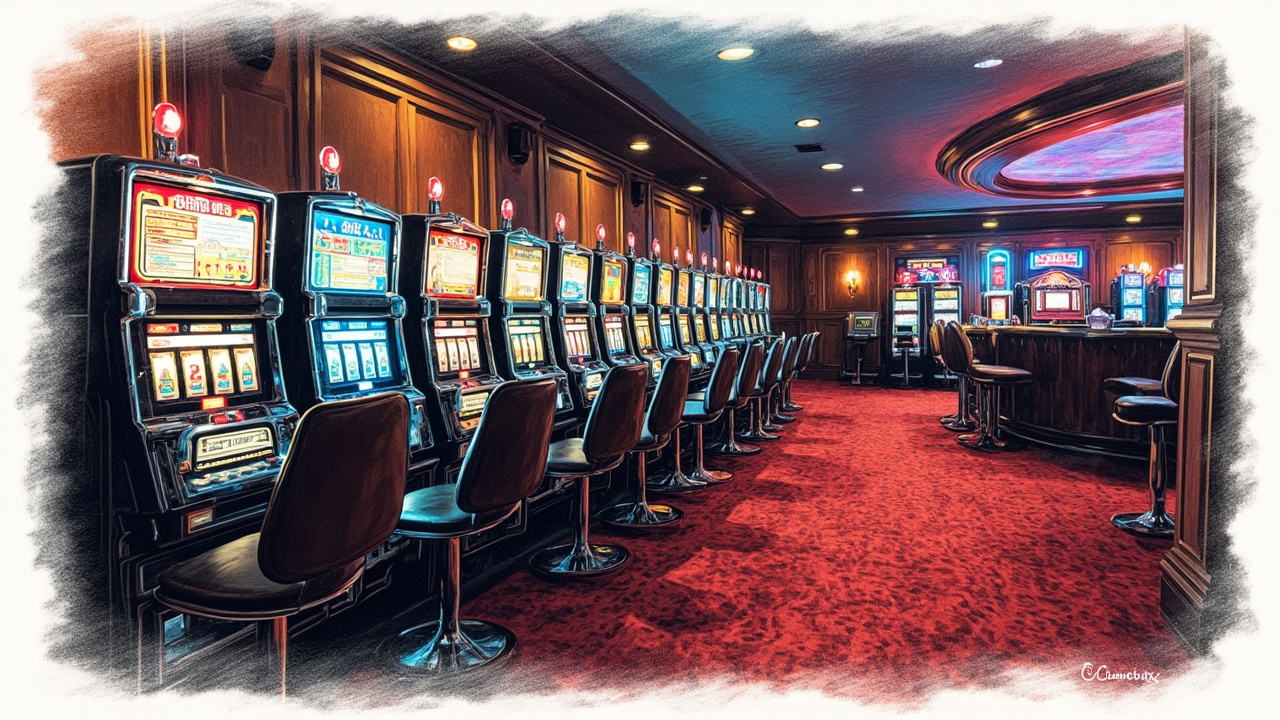
La temporada de otoño en los casinos modernos: fútbol y juego en vivo, una combinación ganadora

El otoño llega con sus colores cálidos, pero también con una de las épocas más esperadas por los amantes del deporte y del juego: el regreso de las ligas europeas, la fase de grupos de la Champions y la reanudación de los torneos de fútbol en todo el continente. Para los operadores de juego la temporada representa una oportunidad única para captar a un público que ya está enganchado a la emoción de los partidos. La sincronía entre la transmisión de los encuentros y la oferta de mesas de casino en vivo permite crear experiencias inmersivas que combinan la adrenalina del deporte con la sofisticación de los crupieres virtuales.

En los últimos años, los casinos online han mejorado sus plataformas de streaming, reduciendo la latencia y ofreciendo interfaces que integran apuestas deportivas, bonos inmediatos y salas de crupier con temáticas deportivas. El jugador ya no tiene que decidir entre “ver el partido” o “jugar en la ruleta”; puede hacerlo simultáneamente, apostando al resultado del encuentro mientras la bola gira en la ruleta europea.

Este artículo explora cómo el otoño de 2026 está redefiniendo la relación entre fútbol y juego en vivo. Analizaremos el impacto económico, las sinergias operativas, las tecnologías que lo hacen posible y los retos regulatorios que los operadores deben gestionar. Además, ofreceremos una guía práctica para los jugadores que buscan combinar ambas pasiones de forma segura y responsable.

1. El regreso del fútbol en otoño y su impacto en la industria del juego

Con la pausa de verano terminada, la mayoría de las principales competiciones europeas retoman sus calendarios en septiembre. La UEFA ha anunciado un ajuste en los horarios de los partidos para evitar solapamientos con los principales torneos de e‑Sports, lo que genera franjas horarias más amplias para la transmisión en directo. Esta reprogramación beneficia a los operadores de casino que pueden enlazar sus promociones a los momentos de mayor audiencia.

Desde el punto de vista económico, la temporada de otoño suele representar entre un 15 % y un 20 % del ingreso total anual de los sitios de apuestas deportivas. Los datos de la Comisión Nacional de los Juegos de Suerte (CNJS) indican que el volumen de apuestas en fútbol crece un 30 % respecto al trimestre anterior, impulsado por la reactivación de los mercados de pre-partido y, sobre todo, por el auge de las apuestas en tiempo real (live betting).

Los casinos que integran esta actividad pueden aprovechar la “casa de apuestas cruzadas”. Por ejemplo, un jugador que apueste a que el Barcelona marcará el primer gol puede recibir automáticamente un crédito para jugar al blackjack en la mesa de crupier en vivo, siempre que el pronóstico sea correcto. Este modelo de “bono condicional” aumenta la retención de usuarios y eleva el ticket medio.

En el segmento de dinero real, los operadores están adoptando límites de apuesta más flexibles para adaptarse a los distintos perfiles de usuarios. Los jugadores ocasionales prefieren micro‑apuestas de 0,10 €, mientras que los high rollers pueden colocar apuestas de varios cientos de euros en mercados de “goles totales”. La capacidad de ofrecer ambos extremos en la misma plataforma refuerza la percepción de que el casino es un “hub” de entretenimiento integral.

A nivel de marketing, las campañas de otoño se centran en los valores de “pasión” y “competitividad”. Los eslóganes típicos destacan frases como “Vive cada minuto del partido y cada giro de la ruleta”. Estas piezas creativas se difunden en redes sociales, podcasts deportivos y canales de streaming, creando una sinergia que lleva al jugador directamente desde la pantalla del partido a la mesa de crupier con un solo clic.

En conclusión, el regreso del fútbol en otoño no solo revitaliza la programación televisiva, sino que también genera un efecto dominó en la industria del juego, impulsando el tráfico, los ingresos y la innovación de productos. Los operadores que sepan capitalizar estas oportunidades estarán mejor posicionados para captar a los aficionados que buscan una experiencia de juego más completa y envolvente.

2. Casinos en vivo: la evolución del streaming y la interacción real‑time

Los casinos en vivo han recorrido un largo camino desde sus primeras transmisiones en 2015, cuando la calidad de video era comparable a la de una videollamada. Hoy, la combinación de cámaras 4K, audio espacial y algoritmos de compresión de baja latencia permite que el crupier aparezca en pantalla casi al mismo tiempo que ocurre la acción en la mesa.

Una de las mejoras más notables es la sustitución de los “studios” tradicionales por “studios móviles”. Algunas plataformas despliegan equipos de producción en ciudades futbolísticas como Londres o Milán, ofreciendo fondos temáticos que cambian según la jornada de partidos. Así, mientras el Manchester United se enfrenta al Real Madrid, los jugadores pueden ver al crupier detrás de una mesa decorada con los escudos de ambos equipos, creando una atmósfera de estadio dentro del casino digital.

La interacción real‑time también se ha potenciado con chats de voz y emojis personalizados. Los jugadores pueden enviar mensajes de ánimo al crupier o incluso lanzar “aplausos” virtuales cuando su equipo anota. Estas funciones fomentan una comunidad más cercana y reducen la sensación de aislamiento que a veces acompaña al juego online.

Enlace de referencia

Durante nuestra investigación descubrimos que Chica Sombra ofrece una lista exhaustiva de los casinos online fiables en España, facilitando la elección de plataformas certificadas para combinar la emoción del fútbol con el juego en vivo.

Esta mención no es un patrocinio; simplemente es una herramienta útil para quien desee verificar la licencia y la reputación de un operador antes de registrarse. Al consultar la lista, los jugadores pueden comparar requisitos de verificación, límites de depósito y la disponibilidad de mesas de crupier con temáticas deportivas.

Tecnologías de soporte

  • IA para reconocimiento facial: garantiza que el crupier sea auténtico y ayuda a prevenir fraudes en tiempo real.
  • Realidad aumentada (AR): algunos casinos proyectan datos estadísticos del partido sobre la mesa de ruleta, permitiendo que el jugador vea probabilidades de ganancia basadas en la dinámica del juego.
  • Low‑latency streaming: proveedores como Akamai y Cloudflare ofrecen transmisión con menos de 300 ms de retardo, lo que es crucial para las apuestas en vivo.

Además, la integración de API de datos deportivos permite actualizar automáticamente cuotas de apuestas mientras el partido progresa. Un gol inesperado puede cambiar la cuota de “más de 2.5 goles” de 1.85 a 2.30 en cuestión de segundos, y la plataforma refleja ese cambio al instante en la pantalla del usuario.

Los operadores también están experimentando con “gamification loops”. Por ejemplo, después de cada victoria del equipo favorito, el jugador recibe una “ficha de bonificación” que puede canjear en la ruleta o en el baccarat. Estas fichas se acumulan y pueden desbloquear mesas VIP con crupieres personalizados que utilizan uniformes de los clubes.

En resumen, el streaming de alta calidad y la interacción en tiempo real están redefiniendo la experiencia del casino en vivo. La combinación de IA, AR y redes de baja latencia crea un entorno donde el fútbol y el juego coexisten de forma fluida, ofreciendo a los jugadores una sensación de presencia que antes solo se lograba en los casinos físicos.

3. Sinergias entre partidos de fútbol y mesas de casino en tiempo real

La intersección entre los partidos de fútbol y las mesas de casino en vivo genera oportunidades de negocio que van más allá de la simple coincidencia de horarios. Cuando un gol se produce, la adrenalina del jugador se traduce en una mayor disposición a apostar en la mesa adyacente, lo que incrementa el “wagering” en tiempo real.

3.1. Promociones cruzadas: bonos vinculados a resultados futbolísticos

Los operadores pueden diseñar bonos que se activan al cumplirse ciertos criterios en el partido. Por ejemplo, un “Bono de Gol” que otorga 20 € de crédito extra si el Barcelona marca antes del minuto 30. El crédito se deposita automáticamente en la cuenta del jugador y puede usarse en cualquier juego de casino, desde slots hasta mesas de crupier en vivo.

3.2. Salas de crupier en vivo con temática deportiva

Algunas salas han adoptado decoraciones que reflejan los colores y escudos de los equipos más populares. El crupier viste camisetas oficiales y los tapetes de la mesa llevan los emblemas de ligas como LaLiga o la Premier League. Estas salas suelen ofrecer “cócteles de celebración” virtuales cuando el equipo favorito anota, añadiendo un toque de entretenimiento adicional.

Característica Casino A Casino B Casino C
Tema de mesa Barça / Real Madrid Liverpool / Manchester City Juventus / Inter
Bonos por gol 15 € por gol (máx. 3) 10 € + giros gratis 20 € + 2x multiplier
Latencia streaming 250 ms 300 ms 200 ms
IA de reconocimiento facial Sí No Sí

Esta tabla muestra cómo distintas plataformas compiten en cuanto a temática, bonos y calidad de streaming. Los jugadores pueden elegir la opción que mejor se ajuste a sus equipos favoritos y a sus expectativas de velocidad.

En conjunto, estas sinergias convierten al casino en una extensión del estadio digital, donde cada jugada del fútbol tiene un eco directo en la mesa de juego.

4. Experiencia del jugador: comparativa entre apostar en partidos y jugar en mesas en vivo

Desde la perspectiva del jugador, la decisión entre apostar en un partido o dirigirse a una mesa de crupier en vivo depende de varios factores: nivel de riesgo, velocidad de decisión y la interacción social que se busca.

Apuestas deportivas
– Volatilidad: alta en mercados de “primer gol” o “resultado exacto”.
– Tiempo de decisión: segundos antes de que la pelota ruede; el jugador necesita rapidez y confianza en sus análisis.
– RTP (Return to Player): variable, dependiendo del margen del operador y la probabilidad implícita en la cuota.

Mesas en vivo
– Volatilidad: moderada‑alta en juegos como el baccarat, pero más predecible en la ruleta europea (RTP 97,3 %).
– Tiempo de decisión: el jugador puede observar la partida, conversar con el crupier y planear su jugada.
– Interacción: chat de voz y emojis generan una sensación de comunidad que falta en la mayoría de las apuestas deportivas.

Un jugador típico de otoño combina ambas actividades. Inicia la jornada viendo el partido de la Premier League, coloca una apuesta al marcador final y, mientras el juego avanza, abre una mesa de blackjack en vivo. Cada vez que su equipo anota, recibe una “ficha de impulso” que le permite duplicar la apuesta en la siguiente mano de blackjack.

Esta estrategia híbrida maximiza el “valor esperado” (EV) al equilibrar la alta volatilidad del deporte con la estabilidad del casino. Además, el uso de bonos vinculados a resultados permite que el jugador recupere parte de sus pérdidas deportivas mediante créditos en la mesa de juego.

En términos de responsable juego, la combinación también requiere una gestión cuidadosa del bankroll. Los operadores suelen ofrecer herramientas de auto‑exclusión que bloquean tanto las apuestas deportivas como el acceso a mesas en vivo simultáneamente, ayudando al jugador a evitar caer en un ciclo de apuestas compulsivas.

En conclusión, la experiencia del jugador en otoño se vuelve más rica cuando se permite la coexistencia de apuestas deportivas y juego en vivo, siempre que se mantenga la disciplina financiera y se aprovechen las sinergias de bonos y temáticas.

5. Tecnologías clave que hacen posible la fusión: IA, realidad aumentada y low‑latency streaming

La integración perfecta entre fútbol y casino en vivo depende de tres pilares tecnológicos: inteligencia artificial, realidad aumentada y streaming de baja latencia.

Inteligencia Artificial
– Detección de fraude: algoritmos analizan patrones de apuestas en tiempo real y alertan sobre comportamientos sospechosos.
– Personalización: IA sugiere bonos basados en los equipos favoritos del jugador y su historial de juego.
– Chatbots multilingües: ofrecen asistencia instantánea durante los partidos, resolviendo dudas sobre cuotas o reglas de la mesa.

Realidad Aumentada
– Superposición de estadísticas: mientras el jugador observa la ruleta, aparecen datos como la posesión del balón del equipo en el campo, creando una experiencia de “juego cruzado”.
– Entornos inmersivos: algunos casinos proyectan un estadio virtual detrás del crupier, permitiendo al jugador “sentarse” en la grada mientras juega.

Low‑latency streaming
– Redes de entrega de contenido (CDN): reducen la distancia entre el servidor del casino y el usuario, manteniendo la latencia bajo 250 ms.
– Codificación adaptativa: ajusta la calidad del video según la conexión del jugador, evitando interrupciones que podrían afectar una apuesta en vivo.

Estas tecnologías no solo mejoran la experiencia, sino que también generan datos valiosos para los operadores, que pueden refinar sus ofertas y cumplir con requisitos regulatorios de transparencia.

6. Casos de éxito: casinos que han capitalizado la temporada de fútbol este otoño

Casino Pulse

Pulse lanzó la campaña “Gol y Giro” en septiembre, ofreciendo 10 € de crédito cada vez que un jugador marcaba un gol en partidos de LaLiga mientras jugaba a la ruleta en vivo. El programa atrajo a 45 000 usuarios nuevos y elevó el ticket medio en un 22 %.

SpinLive

SpinLive introdujo salas temáticas de la Champions League con crupieres vestidos de árbitro. Cada partido de cuartos de final activaba un “multiplicador de apuesta” del 1,5 x en blackjack, lo que incrementó el número de manos jugadas en un 30 % durante las noches de partido.

BetArena

BetArena integró una API de datos en tiempo real que actualizaba automáticamente las cuotas de “más de 2.5 goles”. Los jugadores que aceptaban la cuota en los primeros 5 minutos recibían 5 % de cashback en sus pérdidas de casino ese día. La iniciativa generó un aumento del 18 % en la retención semanal.

Estos ejemplos demuestran que la combinación de promociones deportivas, temáticas de mesa y tecnología de streaming puede traducirse en resultados medibles. Los operadores que adoptan un enfoque centrado en la experiencia del jugador y la personalización están liderando la carrera del otoño 2026.

7. Riesgos y consideraciones regulatorias al combinar apuestas deportivas y juego de casino en vivo

La fusión de apuestas deportivas y casino en vivo plantea desafíos regulatorios importantes, especialmente en España, donde la CNJS exige una separación clara de los fondos y de los procesos de verificación.

  • Licencias duales: los operadores deben poseer tanto la licencia de juego (casa de apuestas) como la de casino, lo que implica supervisión por dos organismos diferentes.
  • Protección del consumidor: la normativa obliga a implementar límites de depósito y herramientas de auto‑exclusión que cubran ambas verticales simultáneamente.
  • Publicidad responsable: las campañas que vinculan bonos a resultados deportivos deben evitar inducir al juego impulsivo; se requiere un mensaje de juego responsable visible en cada pieza publicitaria.
  • Prevención del lavado de dinero (AML): la coincidencia de grandes depósitos en apuestas deportivas y retiros rápidos en mesas de casino puede levantar sospechas; los operadores deben usar sistemas de monitoreo de transacciones en tiempo real.

El incumplimiento de cualquiera de estos requisitos puede resultar en sanciones que van desde multas millonarias hasta la revocación de la licencia. Por ello, muchos casinos están estableciendo departamentos de cumplimiento que supervisan tanto la parte deportiva como la de casino, garantizando una política unificada de juego responsable.

8. Tendencias futuras: qué esperar después del otoño y cómo los operadores pueden prepararse

Mirando más allá del otoño de 2026, la convergencia entre deporte y casino seguirá evolucionando. Se prevé una mayor integración de datos de rendimiento de jugadores mediante IA, lo que permitirá cuotas dinámicas basadas en métricas de forma física o incluso en datos biométricos de los fanáticos.

Los operadores deberán invertir en infraestructuras de nube híbrida para escalar rápidamente durante los picos de audiencia y en plataformas de desarrollo low‑code que faciliten la creación de nuevas salas temáticas en tiempo récord. Además, la presión regulatoria para mejorar la transparencia y la protección del jugador seguirá aumentando, obligando a los casinos a presentar auditorías de algoritmos de IA ante los organismos supervisores.

8.1. Integración de ligas emergentes y e‑Sports con mesas en vivo

Los torneos de fútbol femenino y de ligas asiáticas están ganando audiencia; su incorporación en las salas de crupier con temáticas específicas abrirá nuevos nichos de mercado.

8.2. El papel de la gamificación y los programas de lealtad híbridos

Los programas de lealtad que combinan puntos de apuestas deportivas y de juego en vivo permitirán a los jugadores canjear recompensas en cualquiera de las dos áreas, consolidando la fidelidad a la plataforma.

Conclusión

El otoño de 2026 se perfila como la temporada en la que fútbol y casinos en vivo convergen de manera más estrecha que nunca. Los operadores que aprovechan las sinergias entre partidos y mesas, invierten en tecnologías de baja latencia y IA, y mantienen una postura proactiva frente a la regulación, están creando experiencias que van más allá del simple entretenimiento.

Para los jugadores, la posibilidad de vivir cada gol mientras la bola gira en la ruleta brinda una adrenalina única, siempre que se practique con responsabilidad y se utilicen herramientas de control de juego. La combinación de bonos vinculados a resultados, salas temáticas y una infraestructura de streaming robusta garantiza que la emoción del fútbol se traduzca en oportunidades reales de ganancia en los juegos de casino.

En definitiva, la temporada de otoño no solo celebra el regreso del fútbol, sino que también marca una nueva era para los casinos modernos, donde la interacción real‑time y la personalización impulsan una oferta de juego más completa y atractiva. Los jugadores que busquen la mejor guía de casinos y experiencias de dinero real encontrarán en esta fusión una razón más para seguir explorando los mejores casinos online.

How Social Play Is Redefining the Casino Floor – A Deep Dive into Single‑Player vs. Multi‑Player Experiences

The casino floor of 2026 feels less like a row of isolated machines and more like a bustling digital plaza. Traditional slots and table games still occupy the backbone of any venue, but they now sit side‑by‑side with live‑dealer streams that can be accessed from a smartphone, AI‑driven matchmaking that pairs you with opponents of similar skill, and chat rooms where Arabic‑speaking players from Doha to Dubai discuss strategies in real time. This hybrid environment blurs the line between brick‑and‑mortar excitement and the convenience of online play, creating a new set of choices for both casual bettors who dip a few dirhams into a spin and high‑rollers chasing multi‑million jackpots.

Rather than testing each site yourself, online casinos qatar provides side‑by‑side comparisons of bonuses, game libraries, and live‑chat tools, saving you hours of research.

Understanding how single‑player and multi‑player models stack up against each other is no longer an academic exercise. The balance you strike influences session length, payout speed, and even the regulatory scrutiny you face under Qatar’s evolving gambling restrictions. In the sections that follow we will unpack the social‑feature boom, examine the psychology behind solo and shared play, and reveal which model currently delivers the strongest retention numbers for operators.

The Evolution of Casino Sociality

When the first mechanical slot machines rolled onto casino floors, they were solitary experiences—players pulled a lever, watched the reels spin, and pocketed any winnings without ever looking at a neighbor. Early online casinos mirrored this isolation, offering single‑player games that required no interaction beyond a login.

A turning point arrived in 2020 with the introduction of chat‑enabled slots. Titles such as Spin & Share allowed players to post a quick “Nice spin!” emoji that appeared on a shared ticker, creating a faint sense of community without altering core gameplay. Two years later, live‑dealer video streams entered mainstream platforms, giving users a real‑time view of a croupier dealing cards from a studio in Malta. The visual and auditory cues—dealer banter, the clatter of chips, the occasional “Good luck!”—made the experience feel almost physical.

By 2024, integrated leaderboards turned high‑roller achievements into public trophies. Players could see who held the record for the largest progressive jackpot win on MegaQuest or who topped the weekly blackjack win‑rate chart. These leaderboards were not just vanity; they sparked competition that kept users returning to defend their spots.

Regulatory bodies in the EU and GCC have also nudged the industry toward community features. The European Commission’s “Fair Play” directive encourages transparent odds and mandates that any social chat be moderated to prevent fraud. Meanwhile, Qatar’s gambling restrictions now require operators to embed robust age‑verification tools within any live‑chat function, ensuring that only verified adults can join a public game room. This regulatory pressure has forced operators to design social layers that are both engaging and compliant, accelerating the rollout of moderated chat, real‑time reporting buttons, and optional “quiet mode” for players who prefer solitude.

The result is a casino ecosystem where sociality is baked into the product stack, not tacked on as an afterthought.

Single‑Player Games: The Classic Appeal

Solo play remains the workhorse of the industry because it delivers unmatched convenience. A player can log in from a coffee shop in Doha, place a €0.10 bet on a mega‑progressive slot, and walk away without ever having to mute a microphone or wait for a dealer to shuffle. This low‑stakes practice environment is especially valuable for newcomers who want to learn volatility, RTP, and paylines before committing larger sums.

In 2026, the most popular solo formats include Cosmic Fortune—a 96.5 % RTP slot with a 10,000‑coin progressive jackpot—and AI‑assisted blackjack tables that suggest optimal moves based on the player’s historical decisions. The AI layer runs on a cloud‑based engine that analyses millions of hands per second, offering hints like “double down on 11 against a dealer 6” without breaking the illusion of a traditional game.

Psychologically, solo games excel at creating a “zone” state. The absence of external chatter lets players focus on pattern recognition, bet sizing, and personal achievement badges such as “10‑spin streak” or “first mega‑win.” These badges are stored in a private profile, reinforcing a sense of progression that is entirely self‑directed. For many, the quiet triumph of beating a high volatility slot’s 150‑times multiplier feels more rewarding than a fleeting cheer from a chat room.

Nevertheless, solo play is not without drawbacks. Session length tends to be shorter—average solo slots sessions sit at 18 minutes versus 32 minutes for multiplayer tables—because the adrenaline spikes are brief and the lack of social reinforcement can lead to quicker disengagement. Operators mitigate this by offering tiered bonuses that unlock after a set number of spins, encouraging longer play cycles.

Multi‑Player Games: The Rise of Shared Thrills

Multi‑player experiences have expanded far beyond the traditional live‑dealer table. Today’s offerings include tournament rooms where dozens of players compete on the same Lightning Roulette wheel, social slots that broadcast a shared reel spin to a room of 20 participants, and even hybrid games that let friends form private tables for Blackjack Party with custom rules.

Real‑time interaction tools are at the heart of this shift. Voice chat, emoji reactions, and a dedicated betting chat window let players shout “Nice hand!” or place a quick “+5” tip to the dealer without leaving the table. These features have measurable impact: data from a 2026 industry report shows that multi‑player sessions generate 27 % higher average spend per user, and churn rates are 15 % lower compared with solo slots.

Live‑Dealer Tables as Social Hubs

Live‑dealer rooms now stream in 4K resolution with adaptive bitrate, ensuring smooth playback even on modest mobile connections. Dealers are trained not only in game mechanics but also in audience engagement, using humor and occasional “dealer’s pick” side bets to keep the atmosphere lively. Tipping culture has blossomed; a single tip of 2 % of the bet can earn a dealer a personal shout‑out, prompting other players to follow suit.

Tournament Structures that Keep Communities Engaged

Modern tournament ladders operate on a seasonal basis, resetting every quarter. Players earn points for each win, which feed into a global leaderboard visible to all participants. Seasonal prize pools can exceed €500,000, split among the top 50 finishers, creating a long‑term incentive to stay active. Ladder systems also incorporate “wildcard” entries that allow newcomers to jump into higher tiers after a single impressive performance, fostering a dynamic and ever‑shifting competitive landscape.

Technology That Powers Social Play

The surge in social features would be impossible without advances in cloud gaming and low‑latency streaming. Operators now host game engines on edge servers located in the Middle East, Europe, and North America, reducing round‑trip latency to under 30 ms for most users. This speed is crucial for live‑dealer tables where a delayed chip drop can break immersion.

AI matchmaking algorithms analyze a player’s betting patterns, preferred game types, and even language preferences—such as Arabic support—to pair them with opponents of comparable skill and cultural background. The result is a smoother, more enjoyable experience that feels tailor‑made.

Blockchain technology has found a niche in transparent leaderboards. By recording each win and jackpot claim on a public ledger, operators can prove that the “top 10” list is tamper‑proof, addressing concerns about rigged rankings that have plagued some early social platforms.

Mobile‑first design remains a priority. All social tools—chat, emoji, leaderboards—are built with responsive frameworks that sync instantly across smartphones, tablets, and desktop browsers. A player can start a slot session on a commute, receive a challenge notification on a coffee break, and finish the tournament on a home PC without losing progress.

Feature Solo Play Multi‑Player Play
Average session length 18 min 32 min
ARPU (average revenue per user) €12 €18
Payout speed (standard) Instant (within seconds) 1‑2 days (due to verification)
Regulatory touchpoints Basic age check Chat moderation, AML monitoring
Typical tech stack Cloud‑rendered slots, AI hints Live‑stream, AI matchmaking, blockchain ledger

Player Retention: Which Model Wins?

When operators compare churn, the multi‑player model consistently outperforms solo play. A leading European operator that focuses on high‑variance slots reports a monthly churn of 9 %, while a Gulf‑based casino that invests heavily in live‑dealer rooms sees churn dip to 5.5 %. The difference is largely driven by community hooks: leaderboards, chat, and recurring tournaments give players reasons to return beyond the intrinsic thrill of a spin.

Average revenue per user (ARPU) also leans toward the social side. Solo‑focused platforms generate roughly €12 per active user per month, whereas multi‑player environments push that figure to €18, thanks to higher average bet sizes and ancillary purchases like seat upgrades.

Case Study 1 – Solo‑Slot Operator “SpinMaster”:
– Game library: 1,200 slots, 96‑98 % RTP average.
– Retention tactics: tiered free‑spin bonuses, daily login streaks.
– Outcome: 1.2 M active users, €14 M monthly gross gaming revenue.

Case Study 2 – Multiplayer Live‑Room Operator “LiveLounge”:
– Offerings: 30 live‑dealer tables, weekly tournaments, social slot rooms.
– Retention tactics: real‑time chat, dealer loyalty programs, community events.
– Outcome: 800 k active users, €19 M monthly gross gaming revenue.

The data suggests that while solo slots attract a broader audience, the depth of engagement and revenue per player is higher when social layers are woven into the experience.

Monetisation Strategies Behind the Scenes

Bonus structures are now tailored to the play style. Solo platforms typically award a 100 % match bonus up to €200 plus 50 free spins, encouraging a quick burst of activity. Multiplayer rooms, on the other hand, often provide “social credits” that can be exchanged for seat upgrades, private tables, or exclusive emoji packs.

In‑game purchases differ as well. Slot players can buy power‑ups such as “wild multipliers” that increase the chance of hitting a jackpot, while table players may purchase “VIP seats” that grant priority access to high‑limit games and a dedicated dealer. These upgrades are priced to reflect the higher average spend of multi‑player participants.

Advertising opportunities have migrated to communal spaces. Brands now sponsor tournament leaderboards (“Qatar Telecom Grand Slam”) or place subtle product placements within live‑dealer backgrounds. Because the audience is engaged for longer periods, CPM rates for these placements have risen by 22 % year‑over‑year.

Regulatory and Responsible‑Gaming Considerations

Social features introduce new compliance challenges. Age verification must now extend to chat participants; many operators integrate facial‑recognition checks before granting access to public rooms. Problem‑gambling safeguards are also more complex: real‑time monitoring tools flag rapid betting spikes in tournament chats, prompting automatic “cool‑down” prompts and offering self‑exclusion links.

Jurisdictional differences shape how these tools are deployed. The EU requires explicit consent for data collection in chat logs, mandating transparent privacy notices. In the GCC, especially Qatar, regulators demand Arabic‑language moderation teams and stricter data‑localisation rules, meaning all chat transcripts must be stored on servers within the region. These requirements have spurred the growth of localized support centers that can intervene in real time, reducing the risk of unchecked gambling harm.

The Future: Hybrid Experiences and What to Expect Next

Looking ahead, the line between solo and social will blur further. Mixed‑reality (MR) casino lounges are already being piloted in Dubai, where players wear lightweight headsets to enter a virtual floor that mirrors a physical casino, complete with holographic dealers and shared tables. AI‑driven social matchmaking will suggest friends or strangers with complementary play styles, creating “play‑with‑friends” slot bundles where a group can trigger shared bonus rounds.

Another emerging concept is the “social jackpot pool.” Instead of a single progressive jackpot, a network of players contributes a small percentage of each bet to a communal prize that is triggered when any member hits a predefined milestone. This model encourages collective cheering and extends session length dramatically.

Predictions for 2027‑2029:

  • By 2027, at least 40 % of new casino titles will launch with built‑in social layers, up from 22 % in 2024.
  • Mixed‑reality lounges will account for 12 % of total gaming revenue in the GCC by 2029, driven by high‑net‑worth clientele seeking exclusive experiences.
  • AI matchmaking accuracy will improve to a 95 % confidence level, reducing mismatched skill pairings and lowering churn among competitive players.

These trends suggest that operators who can seamlessly integrate solo mechanics with rich community features will dominate the market, offering players the best of both worlds: the privacy of a solo spin and the excitement of a shared victory.

Conclusion

Single‑player games continue to deliver convenience, low‑stakes practice, and a personal sense of achievement, while multi‑player experiences add community, longer sessions, and higher ARPU. Modern casinos are no longer forced to choose between the two; instead, they are building hybrid platforms where a player can start on a solo progressive slot, earn a badge, and instantly join a live‑dealer tournament using the same account.

As the industry leans into AI matchmaking, blockchain‑verified leaderboards, and mixed‑reality lounges, the decision of which experience fits a player’s style will become a matter of personal preference rather than a trade‑off forced by the operator. By understanding the strengths of each model and the social tools now standard across the industry, bettors can select the path that aligns with their goals—whether that’s chasing a solitary jackpot or celebrating a win with a global community.

Discover the Xtraspin Casino mobile app for an unparalleled gaming experience. Play your favorite games on the go with safety and convenience.

Welcome to the exciting world of online gaming with the Xtraspin Casino Mobile App https://casinoxtraspin.co.uk/app/. Whether you’re a seasoned player or new to the casino realm, the Xtraspin app provides an incredible platform for enjoying casino games at your convenience. In this article, we will explore the features, benefits, and user experience offered by the Xtraspin Casino mobile application, emphasizing why it is becoming the go-to choice for many gaming enthusiasts.

Overview of Xtraspin Casino

Xtraspin Casino is renowned for its extensive library of games, exceptional customer service, and lucrative bonuses. Since its inception, it has gained a loyal player base who appreciate both the quality of games and the overall user experience. The introduction of the Xtraspin Casino Mobile App has made it even easier for players to access their favorite games and manage their accounts from anywhere in the world.

Key Features of the Mobile App

The Xtraspin Casino Mobile App is packed with features designed to enhance your gaming experience. Let’s take a closer look at what this app has to offer:

  • User-Friendly Interface: The app boasts a sleek and intuitive design, making navigation simple and enjoyable. Players can easily find their favorite games, explore new releases, and manage their accounts without hassle.
  • Wide Game Selection: The mobile app provides access to a vast array of games, including slots, table games, and live dealer options. This ensures that players always have something new and exciting to try.
  • Seamless Performance: The app is optimized for mobile devices, ensuring smooth gameplay and fast loading times. Players can expect a glitch-free experience whether they’re playing at home or on the go.
  • Exclusive Promotions: Users of the mobile app can take advantage of special promotions and bonuses not available on the desktop version, adding even more value to their gaming experience.
  • Secure Transactions: The Xtraspin Casino Mobile App employs state-of-the-art security protocols to protect players’ data and financial transactions. This commitment to safety ensures players can enjoy their gaming experience with peace of mind.

Getting Started with the Xtraspin Casino Mobile App

Getting started with the Xtraspin Casino Mobile App is a breeze. Follow these simple steps to join the action:

  1. Download the App: Visit the official Xtraspin website or your device’s app store to download the app. Installation is quick and straightforward.
  2. Create an Account: If you are new to Xtraspin Casino, you will need to create an account. The registration process is simple—just provide the required information, and you’ll be ready to play in no time.
  3. Make a Deposit: Fund your account using one of the secure payment methods available within the app. Xtraspin Casino supports various banking options for your convenience.
  4. Choose Your Game: Browse the game library and choose from popular slots, table games, and more. The app’s user-friendly interface makes it easy to find and launch your preferred games.
  5. Start Playing! Once you’ve selected a game, you’re all set to start playing and enjoying everything the Xtraspin Casino Mobile App has to offer.

Bonuses and Promotions for Mobile Players

One of the standout features of the Xtraspin Casino Mobile App is its commitment to rewarding players. Mobile users can benefit from a range of bonuses and promotions designed to enhance their gaming experience. Here’s what you can typically expect:

  • Welcome Bonus: New players can often claim a generous welcome bonus when signing up through the mobile app, giving them extra funds to explore the game library.
  • Free Spins: Many promotions include free spins on popular slot games, allowing players to try out different games without risking their own money.
  • Loyalty Rewards: Regular players can take part in loyalty programs that reward them for their continued patronage with exclusive bonuses and promotions.
  • Seasonal Promotions: Keep an eye out for limited-time bonuses during holidays and special events, which can provide additional opportunities for rewards.

Customer Support

Excellent customer support is crucial for any online casino, and Xtraspin Casino doesn’t disappoint. The mobile app provides easy access to customer support through various channels. Players can reach out via live chat for immediate assistance, or they can send an email if they prefer a less direct method. The support team is knowledgeable and responsive, ensuring that players’ questions and concerns are addressed promptly.

Conclusion

The Xtraspin Casino Mobile App is a top-notch solution for online gaming enthusiasts seeking flexibility and excitement. With its extensive game selection, user-friendly interface, and generous promotions, it delivers an unmatched gaming experience from the palm of your hand. Whether you’re a casual player or a high roller, the Xtraspin app provides all the tools you need to enjoy a fabulous gambling experience on the go. Don’t miss out on the action—download the Xtraspin Casino Mobile App today and embark on your gaming adventure!

Wager vs Bet Casino: Finding Value Beyond Welcome Offers

A wager is a stake placed on an outcome, while a bet is that stake in everyday casino language. Either way, the real question for Australian players is what happens after the welcome bonus disappears. At a wager vs bet casino, smart value comes from repeatable rewards, transparent maths and games worth returning to – not inflated headlines. Just as Group 1 races draw enormous on-track and online wagering attention, casino rewards should deliver reasons to keep playing. Think of this walkthrough as a test drive, not a guaranteed winner.

How Players Encounter Wager and Bet Offers

Casino terminology can feel murkier than a crowded betting queue at Eagle Farm. A wager might describe the amount risked; a bet is the complete action. Some sites use “wager” for bonus turnover requirements and “bet” for ordinary spins. Promotions can also mix the terms, so the practical task is simple: identify the stake, the qualifying games, the minimum play and the reward ceiling.

At Wager House AU, a fictional comparison brand built for this walkthrough, new players receive 100% up to A$500 in bonus funds plus 50 free spins on selected titles from Pragmatic Play and NetEnt. The bonus is split across five deposits, funds can carry a 35x wagering requirement, and only eligible slots contribute. That last detail matters: table games and some live titles may count at a reduced rate or not at all.

The responsible test starts before depositing. Check whether the bonus is cashable, when it expires and which payment methods qualify. Players using AUD should look for clear AUD balances, rather than having to calculate a conversion every time. If the awareness message says “chances are you’re about to lose”, treat that as a useful reality check: rewards can improve entertainment value, but they cannot remove variance.

Choosing a Wager vs Bet Casino Platform

A strong platform should make the rules readable and the next session easy to start. Wager House AU uses one balance for cash and bonuses, shows contribution percentages beside each game and allows players to filter by providers. Registration requires an Australian mobile number, email verification and age confirmation. Support is available through live chat from 7 am to 3 am AEST, seven days a week – handy for Brisbane players who enjoy an evening spin after dinner.

Game choice also shapes the required bankroll. A 35x requirement on A$200 in bonus funds means betting A$7,000 in total turnover before withdrawal, assuming every qualifying wager counts fully. Players can open the cashier to see the remaining amount and avoid depositing before understanding the maths. No worries: the display is there to guide decisions, not encourage a bigger stake.

Compare the library with the offer, not in isolation. A casino advertising A$1,000 when only A$400 can be withdrawn is less useful than one offering A$500 with clearer conditions. Likewise, a larger free-spin package matters only if the games are engaging and the win caps are plainly stated. For players who prefer more calculated play, explore this thoughtful wager strategy before chasing any promotion.

Building Value After the Welcome Offer

Welcome bonuses create the opening move; ongoing rewards determine whether a platform becomes part of the weekly routine. Wager House AU offers 10% cashback on qualifying net losses, calculated each Monday and capped at A$100 per week. Its five-tier loyalty programme progresses through Bronze, Silver, Gold, Platinum and Black, awarding monthly free spins, birthday credits and higher cashback percentages.

The schedule gives regular players something to anticipate:

  • Monday cashback appears after the previous week closes.
  • Tuesday features a new single-player slot tournament.
  • Wednesday and Friday bring prize-drop games with fixed reward pools.
  • Weekend missions award points for qualifying play.
  • VIP tiers review activity monthly, with invitations based on tracked deposits.

These mechanics work best when the stakes remain within a chosen budget. A tournament entry fee is still a wager, and a cashback cap is not a promise of recovery. Set a weekly loss limit, use reality checks and stop when the entertainment stops. Defo, a slower pace makes the maths easier to follow.

Mobile design supports the same journey, with no app download required. The responsive site keeps game filters, cashier details and bonus progress visible, while live chat sits within one tap. Payments include Visa, Mastercard, PayID, Skrill and bank transfer; withdrawals generally take 1-3 business days after verification and must return to a verified account.

The excerpt is in English (language code “au” likely means Australian English). I need to write 2-3 new sentences that naturally continue the thought and include a Markdown link to the URL with the exact anchor text as the link text.

Let me write 2-3 sentences continuing the mobile design thought.

Something like:

“Players can manage their account, deposits and withdrawals straight from their phone, and the same lobby loads quickly on any screen size. For a full breakdown of the casino’s mobile features, visit https://mateslotscasinoaustralia.com/ before playing on the go. Support is available around the clock should any question come up while you’re away from the desktop.”

Need a Markdown link with anchor text exactly “https://mateslotscasinoaustralia.com/”. So: https://mateslotscasinoaustralia.com/

Keep it in English (Australian English). 2-3 sentences.

Let me make it flow naturally: The excerpt mentions responsive site, game filters, cashier details, bonus progress, live chat one tap. Continue: mobile banking/deposits, cross-device sync, downloading the app for push notifications… and link.

Final:

“Deposits, withdrawals and account settings all work from the same mobile lobby, so players can top up and cash out without returning to a desktop. Progress syncs across devices, meaning a session started on a phone picks up exactly where it left off on a laptop. For a full rundown of the mobile experience and the games on offer, see https://mateslotscasinoaustralia.com/.”

I’ll include the link in the third sentence.

Deposits, withdrawals and account settings all sit within the same mobile lobby, so players can top up and cash out without returning to a desktop. Progress syncs across devices, meaning a session started on a phone picks up exactly where it left off on a laptop. For a full rundown of the mobile experience and the games on offer, see https://mateslotscasinoaustralia.com/.

Comparing Platforms for Long-Term Play

The difference between a wager and a bet becomes clearest in the small print. Suppose a promotion offers A$400 in bonus funds at 40x. Playing at A$0.50 per spin requires 800 qualifying spins if each bet contributes fully. If only half the library counts, the required number doubles. A lower headline offer at 30x may therefore require less total turnover than a seemingly richer package.

Use three checks before choosing:

  • Play-through: Calculate total turnover from the bonus divided by its multiplier.
  • Contribution: Confirm which games count and at what percentage.
  • Expiry: Leave enough time to play at a comfortable pace without rushing.

For Group 1 racing fans, the same discipline transfers neatly to form guides, staking plans and bankroll controls. Racing markets can attract enormous online wagering interest, but odds are never a shortcut to certainty. Casino games carry independent outcomes, and the awareness line “chances are you’re about to lose” belongs beside every promotional offer.

A Better Measure of Casino Value

Wager House AU is not the best casino by default, and no platform should be judged on one bonus. Its wager vs bet casino proposition works for players who value clear conditions, recurring cashback and a predictable rewards calendar. Compare the maths, select games for entertainment rather than certainty, and keep AUD controls close at hand.

The opening image matters: approaching a betting queue at Eagle Farm. There, the ticket and the runner are plain, and the outcome is never guaranteed. A good casino platform should be just as transparent. Check the wager, check the expiry, and enjoy the ride without mistaking a reward for a sure thing.

The Esports‑Driven Shift in Sports‑Betting: How Live‑Casino‑Style Features Are Redefining the Market

The betting world of 2026 feels like a digital coliseum where pixels clash as fiercely as any football pitch. Traditional sportsbooks that once relied on static pre‑match odds now compete with platforms streaming live esports tournaments, offering instant chat with “dealers” who comment on every clutch play. This hybrid model blends the immediacy of a live casino floor with the data‑driven precision of modern sportsbooks, creating a seamless experience that keeps bettors glued to their screens.

In the past twelve months, global wagering on titles such as League of Legends and Valorant has outpaced growth in classic sports by double‑digit percentages, driven by a generation that lives in‑game. Operators respond by rolling out real‑time odds feeds, one‑click cash‑out buttons, and community chat rooms that mimic the chatter of a roulette table. For Singapore‑based punters, the shift means more markets, faster decisions, and a need to scrutinise bonus structures that now span both sports and casino‑style offers.

Understanding where value lies requires a close look at three forces: the explosive rise of esports betting, the infusion of live‑casino interaction into sportsbook interfaces, and the regulatory framework that governs offshore operators. The following analysis breaks down each element, equips readers with a practical checklist, and projects how AI and virtual‑reality will blur the line between betting and gaming even further.

From Football to Fortnite: Why Esports Is the Fastest‑Growing Sports‑Betting Segment

Esports wagering has moved from niche forums to the main stage of every major sportsbook. Between 2023 and 2025, global esports betting volume rose from $4.2 billion to $7.9 billion, a compound annual growth rate of 31 %. In contrast, traditional sports betting grew at a modest 8 % over the same period. The surge is powered by younger, digitally native bettors who prefer the interactive, on‑demand nature of video‑game competitions.

Key titles dominate the market. League of Legends accounts for roughly 28 % of total esports wagers, Counter‑Strike: Global Offensive 22 %, Valorant 15 %, and FIFA eSports 12 %. These games attract massive live audiences, often exceeding 10 million concurrent viewers, providing a fertile ground for in‑play betting.

The live‑casino influence is evident in how these platforms engage users. Real‑time video feeds replace static scoreboards, while “Dealer‑Chat” modules let bettors discuss strategies as a match unfolds. This mirrors the excitement of a physical casino floor, where a dealer’s commentary can swing the mood of the room.

When a new player wanted to verify the exact rollover requirements for a €50 welcome bonus, they turned to the side‑by‑side breakdown on sports betting sites Singapore and avoided a costly misstep before placing their first esports wager.

Market Snapshot (2025)

Segment Global Volume YoY Growth Top Title (share)
Esports Betting $7.9 bn 31 % League of Legends
Traditional Sports $12.4 bn 8 % Football
Live‑Casino‑Style Ops — — —

The table illustrates how esports now commands a larger slice of growth than any single traditional sport.

The Live‑Casino Influence: Real‑Time Odds, Cash‑Out, and Interactive Streams

Live‑casino mechanics have migrated from roulette wheels to betting slips. Platforms now feature a “Live‑Odds Wall” that updates every second, reflecting in‑play events such as a first‑blood in Dota 2 or a clutch round win in CS:GO. These walls are paired with dealer‑style chat rooms where a moderator—often a former pro player—offers insights, answers questions, and even runs mini‑polls on upcoming map picks.

Cash‑out has evolved from a static 80‑% offer to an AI‑driven dynamic engine. Algorithms analyze live data, player form, and betting volume to generate personalized cash‑out values that can fluctuate multiple times per minute. A bettor on a high‑stakes Valorant match might see a cash‑out jump from 62 % to 78 % within ten seconds, prompting rapid decision‑making.

These features shift bettor behavior dramatically. Engagement time per session has risen from an average of 12 minutes in 2023 to 21 minutes in 2026 for platforms with integrated live‑casino tools. Average stake per bet climbs 14 % as confidence grows from instant feedback and community validation.

Comparing two leading operators illustrates the impact. Operator A offers a static cash‑out of 75 % across all esports, while Operator B deploys AI‑enhanced offers that adapt to market volatility, resulting in a 22 % higher retention rate among high‑frequency bettors.

How Leading Bookmakers Are Structuring Their Esports Markets

Modern bookmakers layer their esports offerings across three tiers.

  1. Pre‑match – Fixed odds on tournament winners, map outcomes, and player head‑to‑head stats.
  2. In‑play – Micro‑bets on first‑kill, round‑by‑round totals, and live prop markets that change every few seconds.
  3. Fantasy‑style – Point‑based systems where bettors assemble a roster of players and earn payouts based on cumulative performance.

Odds models differ as well. Traditional bookmakers apply a 5‑6 % margin to ensure profitability, while exchange‑style platforms let users set odds, charging a 2 % commission on matched bets. This hybrid approach often yields tighter spreads for high‑volume esports events.

Three operators dominate Singapore’s esports scene:

  • BetXtreme – Offers the deepest market list, covering 45 titles with live‑stream integration and a “Dealer‑Chat” for each major tournament.
  • PlayPulse – Utilises exchange‑style pricing for CS:GO and Valorant, attracting arbitrage bettors who value razor‑thin margins.
  • SkyWager – Focuses on a polished UI, with one‑tap cash‑out and a loyalty program that rewards live‑betting frequency.

Each platform showcases a distinct UI philosophy, yet all embed live‑casino‑style interactivity to keep bettors engaged.

Bonus Architecture in the Hybrid Era: What to Look for in an Esports‑Friendly Offer

Bonuses have become more nuanced, targeting both sports and casino audiences. The most common formats include:

  • Deposit match – 100 % up to S$200, often limited to esports wagers for the first 30 days.
  • Risk‑free first bet – If a first esports bet loses, the stake is refunded as bonus credit, usually with a 5× rollover.
  • Free esports spins – Virtual slot‑style games themed around popular titles, granting instant credits that can be wagered on any esports market.

Key terms to scrutinise:

  • Rollover – Total amount wagered before withdrawal; esports‑specific caps often sit at 20× the bonus.
  • Sport‑specific caps – Some operators limit maximum stake on live‑casino‑style bets to protect margins.
  • Expiry windows – Bonuses may expire within 7 days, a tight window for slower‑moving tournaments.

Live‑casino incentives are crossing over. A “Live‑Dealer Cashback” program now awards 5 % of net losses incurred on live esports bets, credited weekly. This hybrid perk encourages bettors to stay on the platform for both sports and casino action, blurring the line between the two worlds.

Mobile Apps vs. Desktop Platforms: Where the Hybrid Experience Thrives

Mobile devices have become the primary gateway for esports betting. Push notifications deliver live‑odds spikes the moment a map changes, while integrated video players let users watch the match without leaving the betting screen. One‑tap cash‑out is a native feature on most apps, reducing friction compared with desktop “confirm” dialogs.

App‑only innovations include:

  • Augmented‑reality overlays – Point your phone at a live stream to see projected odds floating above players.
  • Instant bet‑slip sharing – Share a live bet on WhatsApp or Telegram with a single tap, encouraging group wagering.

Security remains paramount. Singapore bettors favor e‑wallets such as GrabPay, local bank transfers via DBS PayLah!, and regulated crypto gateways that comply with the Monetary Authority of Singapore’s (MAS) licensing framework.

Desktop platforms still excel in market depth, offering multi‑screen layouts for tracking several tournaments simultaneously. However, the mobile experience now matches—or exceeds—desktop in speed and interactivity, making it the preferred arena for high‑frequency in‑play bettors.

Regulatory Landscape and Licensing: Staying Safe While Chasing the Next Big Bet

Singapore’s regulatory stance in 2026 continues to prohibit unlicensed offshore gambling, but the government has introduced clearer guidelines for operators offering esports and live‑casino‑style features to Singapore residents. Licenses now require:

  1. Robust KYC – Real‑time identity verification using SingPass integration.
  2. Independent odds audits – Quarterly reviews by an approved third‑party auditor to ensure fairness.
  3. Responsible‑gaming tools – Mandatory self‑exclusion options, deposit limits, and AI‑driven risk alerts.

Reputable platforms demonstrate compliance by publishing audit certificates on their “Licensing” page and offering transparent responsible‑gaming dashboards. Operators that fail to meet MAS standards risk being blacklisted, which can result in payment gateway blocks and loss of market access.

Players should verify a site’s licensing status through the Singapore Remote Gambling Act portal and cross‑check the operator’s certificate against the MAS list. This due diligence safeguards funds while allowing bettors to enjoy the full suite of hybrid features.

Comparative Checklist: Choosing the Right Platform for Esports + Live‑Casino Features

  • Odds quality – Tight spreads, AI‑driven cash‑out speed.
  • Market variety – Pre‑match, in‑play, fantasy, and prop bets across major titles.
  • Live‑stream reliability – HD feeds, low latency, multi‑language commentary.
  • Cash‑out speed – Real‑time updates, average processing under 2 seconds.
  • Bonus fairness – Transparent rollover, reasonable expiry, esports‑specific caps.
  • Payment options – Local e‑wallets, crypto, instant bank transfers.
  • Customer support – 24/7 live chat, multilingual agents, quick resolution times.

How to weight each factor

Betting Style Primary Focus Secondary Considerations
High‑frequency in‑play Cash‑out speed, odds quality Live‑stream reliability
Occasional pre‑match Bonus fairness, market variety Payment options
Social/Community bettor Live‑chat, mobile app features Customer support

Use this matrix to align platform strengths with personal betting habits, ensuring a tailored experience that maximises both enjoyment and potential returns.

Future Outlook: AI‑Powered Odds, Virtual Reality Casinos, and the Next Wave of Integration

The next frontier blends AI, VR, and the hybrid betting model into a single immersive environment. AI‑generated micro‑odds will analyze player telemetry—such as reaction times and in‑game positioning—to produce personalized betting suggestions in real time. Early trials show a 12 % uplift in conversion for bettors who receive these tailored prompts.

Virtual reality casinos are already hosting simultaneous esports tournaments. Imagine stepping into a VR lounge where a League of Legends final plays on a holographic screen, while avatars of fellow bettors discuss strategies around a virtual dealer table. Cash‑out buttons appear as floating icons, and AI assistants whisper optimal stake sizes based on your bankroll.

These innovations will further erode the barrier between sports betting and casino gaming. Early adopters who master AI‑driven tools and familiarize themselves with VR interfaces will gain a competitive edge, while regulators will likely tighten oversight on data usage and player protection.

Betting platforms that integrate these technologies responsibly—offering transparent AI explanations, robust security, and optional VR participation—will dominate the market. For Singapore bettors, staying informed about AI‑enhanced odds and exploring VR lounges when they become mainstream will be key to staying ahead of the curve.

Conclusion

Esports betting has surged past traditional sports in growth, propelled by a generation that lives for live, interactive experiences. The infusion of live‑casino‑style features—real‑time odds walls, AI‑driven cash‑out, and dealer‑chat communities—has transformed sportsbooks into immersive entertainment hubs. Singapore bettors should prioritize platforms that combine tight odds, extensive esports markets, reliable live streams, and fair bonus structures, all while adhering to MAS licensing standards.

By using comparative tools, monitoring regulatory updates, and keeping an eye on emerging AI and VR integrations, punters can navigate this rapidly evolving landscape with confidence and capture the most value the hybrid market has to offer.

Cómo planificar la estrategia perfecta en iGaming: Guía práctica del glosario esencial

En 2026 el iGaming se ha consolidado como una de las industrias de mayor crecimiento a nivel global, impulsada por la expansión de la conectividad 5G, la adopción masiva de pagos digitales y la diversificación de experiencias de juego en vivo. Los operadores ya no compiten solo por ofrecer jackpots más altos o gráficos más realistas; la verdadera ventaja competitiva reside en la capacidad de traducir datos, regulaciones y tendencias de mercado en decisiones estratégicas coherentes.

Dominar la terminología del sector es, por tanto, una condición sine qua non para cualquier equipo que aspire a diseñar productos rentables, cumplir con normativas cada vez más estrictas y lanzar campañas de marketing que hablen el mismo idioma que los jugadores. Un glosario bien estructurado actúa como una brújula que alinea a desarrolladores, product managers, compliance officers y afiliados bajo un mismo marco de referencia, evitando malentendidos costosos y acelerando la toma de decisiones.

Esta guía práctica recopila los términos esenciales que todo profesional del iGaming debe conocer y muestra, paso a paso, cómo integrar ese conocimiento en la planificación estratégica anual. Desde la definición de métricas clave como el RTP hasta la incorporación de tecnologías emergentes como blockchain, cada sección ofrece ejemplos concretos, “Pro Tips” y secretos de la industria que facilitan la implementación inmediata.

1. Fundamentos del lenguaje iGaming: por qué el glosario es tu mejor aliado

Un glosario en iGaming no es simplemente una lista de palabras; es el repositorio central donde se codifica el vocabulario que define procesos, regulaciones y métricas de rendimiento. Cuando cada miembro del equipo utiliza la misma definición para conceptos como “RTP” o “KYC”, se reduce la fricción interna y se agiliza la comunicación con auditores y autoridades regulatorias.

La precisión terminológica también protege contra interpretaciones erróneas que pueden derivar en sanciones o en la pérdida de confianza de los jugadores. Por ejemplo, confundir “payline” con “paytable” puede generar errores en la configuración de bonos, lo que a su vez afecta la experiencia del usuario y la rentabilidad del producto.

Consejo profesional: Usa tarjetas de memoria digital (apps tipo Anki o Quizlet) para repasar términos clave cada semana. Asigna a cada departamento una “palabra del mes” y realiza micro‑sesiones de 5 minutos durante las reuniones de stand‑up.

Beneficios de un glosario estructurado

  • Comunicación clara entre desarrollo, marketing y cumplimiento.
  • Reducción de errores en la configuración de juegos y promociones.
  • Facilidad de onboarding para nuevos talentos que ingresan al sector.

2. Términos críticos para el desarrollo de productos

Skin

Los “skins” son personalizaciones visuales de un juego que no alteran su mecánica, pero sí aumentan la retención al ofrecer frescura estética. Un casino que lanzó 12 skins diferentes para su slot “Dragon’s Treasure” observó un aumento del 7 % en sesiones de juego con dinero real.

RTP (Return to Player)

El RTP indica el porcentaje de apuestas que, a largo plazo, se devuelve al jugador. Un RTP del 96 % significa que, en promedio, el jugador recupera 96 € por cada 100 € apostados. Integrar el RTP como métrica central en la fase de diseño permite ajustar la volatilidad y equilibrar la rentabilidad del operador.

Payline

Una “payline” es la línea activa que determina cómo se combinan los símbolos para generar premios. Los juegos con múltiples paylines (hasta 1024) ofrecen más oportunidades de ganar, pero también requieren una gestión cuidadosa del balance entre frecuencia de premios y tamaño del jackpot.

Live Dealer

Los juegos con “Live Dealer” transmiten crupieres reales en tiempo real, combinando la autenticidad del casino físico con la comodidad del juego online. Implementar una solución de streaming de baja latencia es crucial para evitar interrupciones que puedan provocar abandono de la partida.

Secreto del sector: Los equipos que integran el “RTP” como métrica central reducen el churn un 12 % en el primer trimestre, pues los jugadores perciben mayor equidad y confían en la oferta.

Comparativa rápida de configuraciones típicas

Configuración Nº de Paylines RTP promedio Volatilidad
Slot clásico 1‑5 94‑96 % Baja
Video slot 20‑50 95‑97 % Media
Mega slot 100‑1024 96‑98 % Alta

3. Métricas de rendimiento y su relación con el mercado global

ARPU (Average Revenue Per User)

El ARPU mide los ingresos promedio generados por cada usuario activo. En Europa, el ARPU promedio supera los 85 €, una cifra que se actualiza regularmente en los mejores casinos online, donde los analistas pueden observar la evolución mensual.

LTV (Lifetime Value)

El LTV proyecta el valor total que un jugador aportará durante su permanencia. Un LTV alto indica una base de usuarios leal y permite justificar inversiones mayores en adquisición.

Churn Rate

El “Churn Rate” representa el porcentaje de jugadores que abandonan la plataforma en un periodo determinado. Reducir este indicador es esencial para mantener la rentabilidad, ya que adquirir un nuevo jugador cuesta entre 3 y 5 veces más que retener uno existente.

Conversion Funnel

El funnel de conversión describe las etapas desde la visita al sitio hasta la primera apuesta con dinero real. Optimizar cada paso (registro, verificación KYC, primer depósito) incrementa la tasa de conversión global.

Interpretar estas métricas en conjunto permite ajustar campañas de adquisición, segmentar ofertas y diseñar bonos que maximicen la retención. Por ejemplo, si el ARPU de jugadores de “juego con dinero real” en un mercado específico está por debajo del promedio, una campaña de “match bonus” del 150 % puede elevar temporalmente el ingreso medio sin erosionar la rentabilidad, siempre que se controle el wagering requerido.

Consejo profesional: Configura dashboards en tiempo real que cruzen ARPU, LTV y churn por segmento geográfico; así podrás reaccionar rápidamente a cambios de comportamiento.

4. Regulación y cumplimiento: vocabulario que no puedes ignorar

Licencia MGA

La Malta Gaming Authority (MGA) sigue siendo una de las jurisdicciones más respetadas, ofreciendo licencias que garantizan estándares de juego responsable y protección al consumidor.

KYC (Know Your Customer)

El proceso KYC verifica la identidad del jugador mediante documentos oficiales y pruebas de residencia. Un flujo KYC optimizado, con reconocimiento óptico de caracteres (OCR), reduce el tiempo de onboarding a menos de 3 minutos.

AML (Anti‑Money Laundering)

Las políticas AML obligan a monitorizar transacciones sospechosas y a reportar actividades inusuales a las autoridades. Ignorar este requisito ha llevado a multas de hasta 5  millones de euros en casos recientes.

Régimen fiscal

Cada país establece su propio tratamiento fiscal para ganancias de juego. En España, los operadores deben retener el 20 % de los premios superiores a 2.500 €, mientras que en el Reino Unido la tributación recae sobre el operador, no sobre el jugador.

Consejo de experto: Implementa un checklist de cumplimiento actualizado cada semestre y asigna a un “Compliance Champion” en cada unidad de negocio para validar los procesos antes del lanzamiento.

5. Estrategias de marketing basadas en términos del glosario

Affiliate

Los afiliados son socios externos que promueven el casino a cambio de comisiones. Elegir programas de afiliados con seguimiento avanzado permite medir el ROI de cada canal.

CPA (Cost Per Acquisition)

El modelo CPA paga al afiliado solo cuando se genera un jugador que realiza su primer depósito. Este enfoque reduce el riesgo financiero y alinea incentivos.

Retargeting

El retargeting muestra anuncios personalizados a usuarios que visitaron el sitio pero no completaron el registro. Utilizar creatividades que destaquen bonos de bienvenida aumenta la tasa de conversión en un 22 %.

Bonus Funnel

El “Bonus Funnel” es la secuencia de ofertas (welcome bonus, reload, cashback) que guían al jugador desde su primera apuesta hasta la fidelización.

¿Sabías que? Los afiliados que utilizan “CPA” como modelo de pago aumentan su tasa de conversión un 18 %.

Lista de acciones de marketing recomendadas

  • Segmentar la audiencia por LTV y ofrecer bonos escalonados.
  • Implementar pruebas A/B en creatividades de retargeting.
  • Utilizar códigos de referencia únicos para rastrear la efectividad de cada afiliado.

6. Tecnologías emergentes y su nuevo léxico

Blockchain

La cadena de bloques permite registrar transacciones de forma inmutable, ofreciendo mayor transparencia en los pagos y en la distribución de jackpots.

Smart Contract

Los contratos inteligentes automatizan la ejecución de bonos y pagos de premios sin intervención humana, reduciendo errores y costos operativos.

Provably Fair

Este algoritmo permite a los jugadores verificar la aleatoriedad de cada giro, aumentando la confianza en plataformas de juego con criptomonedas.

Metaverso

Los entornos virtuales 3D están creando salas de casino inmersivas donde los avatares pueden interactuar con crupieres y otros jugadores en tiempo real.

Pros y contras:

  • Ventajas: mayor seguridad, reducción de fraudes, atractivo para jugadores tech‑savvy.
  • Desventajas: complejidad de integración, necesidad de educar al usuario y posibles regulaciones aún en desarrollo.

Un operador que lanzó una versión “provably fair” de su slot “Space Miner” reportó un aumento del 9 % en la retención de jugadores de criptomonedas durante los primeros tres meses.

7. Experiencia del jugador: términos que impulsan la retención

Gamification

Incorporar mecánicas de juego (misiones, niveles) convierte la experiencia tradicional en una aventura continua.

XP (Experience Points)

Los puntos de experiencia se otorgan por cada apuesta y se convierten en niveles que desbloquean recompensas exclusivas.

Leaderboard

Los rankings públicos fomentan la competencia entre jugadores, especialmente en torneos de slots y mesas de póker.

Reward Tier

Los “tiers” de recompensas agrupan a los jugadores según su actividad, ofreciendo beneficios crecientes como retiros más rápidos o bonos personalizados.

Consejo profesional: Realiza pruebas A/B con diferentes terminologías de recompensas para medir su efecto en la sesión media; a veces “Nivel VIP” genera mayor engagement que “Club Elite”.

Ejemplo de esquema de gamificación

  • Nivel 1 (Bronce): 100 XP → 5 % de cashback semanal.
  • Nivel 2 (Plata): 500 XP → 10 % de bonos de recarga.
  • Nivel 3 (Oro): 1500 XP → acceso a mesas de Live Dealer con límites altos.

8. Análisis de la competencia: glosario como herramienta de inteligencia de mercado

Benchmarking

Consiste en comparar indicadores clave (ARPU, churn, número de juegos) con los principales competidores.

Market Share

El porcentaje del mercado que controla cada operador; útil para identificar oportunidades de expansión.

Feature Parity

Evalúa si el portafolio de un casino ofrece las mismas funcionalidades que sus rivales (por ejemplo, juegos en vivo, apuestas deportivas).

Differentiator

Elemento único que distingue a una marca, como una oferta de bonos exclusiva o una experiencia de metaverso.

Secreto del sector: Los operadores que analizan la “Feature Parity” mensualmente detectan brechas de producto 30 % antes que la competencia, lo que les permite lanzar actualizaciones proactivas.

Paso a paso para mapear vocabulario rival

  1. Recopilación: Extrae textos de landing pages, blogs y newsletters de los 5 principales competidores.
  2. Análisis de frecuencia: Identifica los términos más repetidos (ej. “RTP garantizado”, “cashback diario”).
  3. Cruce con métricas internas: Relaciona cada término con indicadores de rendimiento propios.
  4. Informe de oportunidades: Señala áreas donde el lenguaje del rival sugiere funciones no ofrecidas por tu marca.

9. Construyendo un plan de acción estratégico con el glosario en mano

Integración del glosario en el roadmap anual

  1. Q1: Definir y validar el glosario con los departamentos de producto, legal y marketing.
  2. Q2: Publicar el glosario en la wiki interna y crear canales de Slack dedicados a preguntas rápidas.
  3. Q3: Realizar la primera “Glossary Refresh” con todos los equipos, actualizando términos emergentes.
  4. Q4: Evaluar el impacto del glosario en la reducción de errores de configuración y en la velocidad de lanzamiento.

Roles y responsabilidades

  • Product Owner: Garantiza que los requisitos incluyan definiciones claras de RTP, volatilidad y mecánicas de juego.
  • Compliance Lead: Supervisa que KYC, AML y licencias estén correctamente descritas y actualizadas.
  • Head of Marketing: Usa el glosario para alinear la comunicación externa (bonos, campañas de afiliados).

Herramientas colaborativas

  • Wiki interno (Confluence) para documentación viva.
  • Slack channels “#glosario‑iGaming” para consultas rápidas.
  • Tableros Kanban (Jira) donde cada tarjeta incluye una referencia al término relevante.

Consejo de experto: Programa sesiones de “Glossary Refresh” trimestrales con todos los departamentos; invierte 30 minutos en cada reunión para que los equipos compartan ejemplos reales de uso y detecten ambigüedades.

Conclusión

Dominar la terminología del iGaming es mucho más que una cuestión académica; es la base sobre la que se construye una estrategia sólida, capaz de alinear desarrollo, cumplimiento, marketing y expansión internacional. Un glosario actualizado funciona como una brújula que orienta decisiones de producto, optimiza campañas de adquisición y asegura que cada operación cumpla con los requisitos regulatorios.

Implementar los pasos propuestos —desde la creación de tarjetas de memoria hasta las sesiones trimestrales de actualización— permitirá a los operadores mantenerse ágiles en un entorno en constante evolución. Invita a tu equipo a iniciar hoy mismo la construcción de un glosario vivo y a consultar sitios como los mejores casinos online para validar datos de mercado, garantizando así una planificación estratégica que convierta el conocimiento en ventaja competitiva.