Mastering the Sports‑Betting Landscape: A Strategic Guide to Free Spins, Odds, and the Best Bookmakers for Malaysian Players

Malaysia’s online betting market is humming louder than ever in November 2026. Mobile penetration has crossed the 90 % mark, and offshore operators are racing to offer localized interfaces, MYR‑friendly payment gateways, and live‑streamed football from the English Premier League to the Malaysia Super League. The surge of new players brings fresh enthusiasm but also a flood of promotions that can obscure the fundamentals of sound wagering.

Skip the guesswork – bookmakers narrows down the best platforms so you can start placing bets sooner. By consulting a curated list, you avoid the time‑consuming trial‑and‑error that many newcomers endure, and you can focus on building a strategic edge from day one.

A truly competitive edge emerges when sports‑betting expertise meets the clever use of casino‑style free spins. Free spins generate extra bankroll without risking your own money, and when transferred wisely they can fund a football accumulator or a high‑odds prop bet. Yet the value of those spins evaporates quickly if you ignore bonus terms, wagering requirements, or the liquidity of the sportsbook you intend to use.

Therefore, a systematic approach is essential: learn the language of odds, convert casino winnings into betting capital, select a bookmaker that respects Malaysian players, and manage risk across both domains. The sections that follow walk you through each step, providing formulas, real‑world examples, and a practical checklist that will keep your betting plan on track.

1. Decoding the Glossary: Key Betting Terms Every Malaysian Should Know

Understanding the jargon is the first line of defence against costly mistakes.

Odds formats – Decimal odds (e.g., 2.75) are the most common in Malaysia, showing total return per unit stake. Fractional odds (5/2) are popular in the UK, while American odds (+175 or –200) are used by some US‑focused sportsbooks.

Spread – In basketball or football, the spread levels the perceived strength of two teams. A –1.5 goal spread means the favored team must win by at least two goals for the bet to win.

Over/Under – A total‑goals line where you wager on whether the combined score will be above or below a set number, such as 2.5.

Accumulator – A single ticket that combines multiple selections; all must win for the ticket to cash, but the odds multiply, creating exponential payouts.

Hedge – Placing a counter‑bet on the opposite outcome to lock in profit or limit loss after an initial bet has moved in your favor.

Free spins – Casino bonus that grants a set number of weightless plays on a slot game. Winnings are usually subject to a wagering requirement before they can be withdrawn.

Wagering requirements – The amount of turnover you must achieve with bonus funds, expressed as a multiple of the bonus (e.g., 20x RM30 = RM600).

RTP (Return‑to‑Player) – The theoretical percentage of wagered money a slot returns to players over the long run; a slot with 96 % RTP will, on average, give back RM96 for every RM100 bet.

Mastering this vocabulary lets you read market movements, compare offers, and calculate expected value without confusion. It also bridges the gap between casino and sportsbook, allowing you to treat a free‑spin win as just another unit of capital in your betting model.

2. Free Spins as a Betting Lever: Turning Casino Bonuses into Sports‑Betting Capital

Free spins are more than a novelty; they are a low‑risk source of extra cash that can be funneled into sports wagers. Most offshore operators attach them to a slot launch, offering anywhere from 10 to 50 spins on a high‑RTP game such as Starburst or Gates of Olympus. The typical condition is a 20x wagering requirement on winnings, with a maximum cash‑out limit of RM50.

Step‑by‑step conversion

  1. Register with a casino that bundles free spins with a sportsbook account.
  2. Activate the spins on a slot with at least 95 % RTP.
  3. Play until you reach the wagering threshold; keep a record of net profit.
  4. Request a transfer to the linked sportsbook – most platforms allow internal movement in minutes.
  5. Use the transferred funds as a seed bankroll for a low‑risk accumulator or a single‑match bet with positive expected value.

Pitfalls to avoid

  • Play‑through traps – Some operators count only qualifying bets toward the requirement; avoid games with high volatility that could stall progress.
  • Game restrictions – Free spins often apply to a single title; switching to a lower‑RTP slot wastes potential profit.
  • Cash‑out caps – If the maximum withdrawable amount is RM50, plan a bet that fits within that ceiling to prevent leftover funds.

Calculating Effective Value of Free Spins

The expected value (EV) of a free‑spin batch can be expressed as:

EV = (Average win per spin × RTP) – (Wagering requirement × stake per spin)

For example, 20 spins on Gates of Olympus (RTP 96 %) with a RM0.10 bet each: average win per spin is RM0.12.

EV = (20 × 0.12 × 0.96) – (20 × 0.10 × 20) = RM2.30 – RM40 = –RM37.70 (negative).

However, the true value lies in the cashable portion after meeting the 20x requirement: if you win RM10, you must wager RM200, leaving RM10 cashable once the condition is satisfied.

Timing the Transfer – When to Move Funds from Casino to Sports

Seasonal peaks, such as the opening weeks of the Premier League or the Malaysia Cup, present higher‑odds windows. Transfer your free‑spin winnings just before a match with a clear value line—e.g., a 2.10 under‑1.5 goal market for a defensively strong team. Liquidity is also higher during live‑betting windows, allowing you to place in‑play wagers with tighter spreads.

3. Building a Winning Sports‑Betting Strategy: From Odds Analysis to Market Selection

A disciplined strategy begins with data.

  1. Research – Scan team news, injury reports, and weather conditions. Websites like Transfermarkt and local sports forums provide granular insights.
  2. Odds comparison – Use a comparison engine (or the checklist later) to spot the best decimal odds for your selected market. Even a 0.05 difference can swing long‑term profit.
  3. Market depth – Go beyond the simple 1X2 market. Asian handicap lines (e.g., –0.75) reduce the draw risk, while prop bets on corner counts or player cards add layers of value.

Statistical models, such as Poisson distribution for goal expectancy, give a quantitative backbone. Yet intuition still matters; a gut feeling about a manager’s tactical shift can be the edge that a pure model misses.

Integrate free‑spin capital as a “risk buffer.” Allocate 10 % of your total bankroll to bets funded by casino winnings; this protects your core sports bankroll from variance while still allowing you to chase higher‑odds opportunities.

Leveraging Multiple Markets for Value

Consider a match between Selangor FC and Johor Darul Ta’zim. The 1X2 odds favor JD Tazim at 1.85, while the Asian handicap –0.5 sits at 1.95. Simultaneously, the over‑2.5 goals market is priced at 2.20. By placing a double on JD Tazim –0.5 and the over‑2.5, the combined decimal odds become 1.95 × 2.20 = 4.29. If your model predicts a 55 % win probability for JD Tazim and a 48 % chance of over‑2.5, the merged probability (0.55 × 0.48 ≈ 0.264) yields an expected value of 4.29 × 0.264 ≈ 1.13, indicating a +13 % edge.

4. Choosing the Right Bookmaker: Criteria That Matter to Malaysian Bettors

Licensing & regulation – Operators licensed by the Malta Gaming Authority or the UK Gambling Commission provide a higher level of consumer protection than unregulated sites.

Local sport coverage – Look for extensive M‑League fixtures, badminton tournaments, and Southeast Asian e‑sports events such as Dota 2 and Mobile Legends.

MYR payment options – Fast e‑wallets (Touch ‘n Go, Boost), QR‑code transfers, and direct bank links reduce friction. Withdrawal speed should be under 24 hours for most e‑wallets.

Fee structure – Zero‑fee deposits are common, but some sites charge a 2 % fee on bank withdrawals; factor this into your net profit calculations.

Bonus architecture – Some bookmakers bundle free spins with a sportsbook sign‑up. Verify that the free‑spin wagering requirement can be satisfied on low‑variance slots, and that the resulting cash can be moved to the sportsbook without additional fees.

5. Comparing Bookmakers and Betting Apps: A Practical Checklist

Feature SBOBet Betway 188Bet
License MGA UKGC Curacao
MYR Deposit Methods QR‑Pay, e‑wallets Bank transfer, Touch ‘n Go Boost, QR‑Pay
Live‑betting UI Responsive, split‑screen Minimalist, fast refresh Cluttered, slower
Mobile App Rating (Google) 4.5 4.2 4.0
Free‑spin Bonus (Casino) 20 spins on Starburst 15 spins on Gates of Olympus 25 spins on Book of Dead
Sports Coverage 30 + sports, strong local 25 + sports, good e‑sports 20 + sports, limited local

Checklist for shortlisting

  • Does the operator hold a reputable license?
  • Are MYR deposits instant and fee‑free?
  • Is the live‑betting interface smooth on both desktop and mobile?
  • Are free‑spin offers linked to a sportsbook with easy internal transfers?

Use this list to narrow your field to two or three platforms, then open a low‑stake account on each to test the UI and payout speed before committing larger funds.

6. Understanding Odds Formats and Calculating Implied Probability

Decimal odds are converted to implied probability with the formula:

Implied % = 1 ÷ Decimal odds × 100

For fractional odds, first convert to decimal (e.g., 5/2 = 2.5 + 1 = 3.5) then apply the same formula. American odds require a split: positive odds → 100 ÷ (Odds + 100); negative odds → Odds ÷ (Odds + 100).

Example: Selangor FC vs. Kedah Darul Aman – Selangor’s win odds are 2.40.

Implied probability = 1 ÷ 2.40 × 100 = 41.7 %

If your own model estimates a 48 % chance, the bet carries a value of 48 % – 41.7 % = 6.3 % edge.

Assume you have RM30 derived from free spins. A stake of RM10 on this value bet yields an expected profit of RM10 × 0.063 ≈ RM0.63 per ticket. Over ten tickets, that’s a modest but steady gain, illustrating how a disciplined bankroll can grow even from modest casino bonuses.

7. Maximising Betting Bonuses: From Welcome Offers to Ongoing Promotions

Welcome packages often combine a 100 % deposit match (up to RM200) with a set of free spins. Ongoing promos may include “bet RM10, get RM10 free bet” on selected football fixtures.

Efficient rollover strategy

  1. Use the deposit match on low‑variance markets (e.g., Asian handicap –0.25) to meet the 5x wagering requirement quickly.
  2. Deploy free‑spin winnings on a single‑match accumulator with odds above 2.5, ensuring the stake stays within the cash‑out cap.
  3. Align bonus usage with high‑probability windows identified in your odds analysis – for instance, the first 15 minutes of a match when odds are most stable.

Bonus Stacking – Combining Free Spins with Sports Promotions

Imagine you have 30 free spins on Starburst (RTP 96 %). After meeting the 20x requirement, you cash out RM25. Simultaneously, Betway offers a “bet RM10, get RM10 free bet” on the next Premier League game. Deposit the RM25 into the sportsbook, place a RM10 bet on a value line (e.g., Manchester United –0.5 at 1.95), and receive the RM10 free bet immediately after the stake is settled. If the initial bet wins, you collect RM9.50 profit plus the RM10 free bet, effectively turning RM10 of your own money into RM19.50 profit—a 95 % return on the original stake.

8. Risk Management and Responsible Gaming in a Dual‑Domain Environment

Bankroll segmentation is crucial. Allocate 70 % of total funds to sports betting, 20 % to casino play (including free‑spin experiments), and keep 10 % as a safety reserve.

Tools offered by bookmakers

  • Deposit caps – Set a daily or weekly maximum in MYR to prevent overspending.
  • Self‑exclusion – Choose a 30‑day or permanent lockout if you notice compulsive behavior.
  • Loss limits – Some platforms allow you to stop betting after a predefined loss amount per session.

Psychologically, the rapid reward cycle of free spins can erode discipline when you switch to sports betting, where outcomes are less immediate. Counteract this by establishing a pre‑bet checklist: verify stake size, confirm value, and record the decision in a betting journal. Review the journal weekly to spot patterns of impulsive betting triggered by casino excitement.

Conclusion

Integrating casino free spins with a rigorously planned sports‑betting strategy creates a dual‑source bankroll that can smooth variance and unlock higher‑value opportunities. Selecting reputable offshore operators that support MYR transactions, offer transparent bonus terms, and deliver reliable mobile experiences is the foundation of long‑term success for Malaysian players.

Apply the glossary, the EV calculations, and the checklist provided here to evaluate each bookmaker on its merits. By staying disciplined, managing risk across both casino and sportsbook accounts, and leveraging bonuses wisely, you can elevate your betting performance while enjoying the excitement of both worlds responsibly.

Duel.com Gambling Payment Methods – Fast Deposits, Secure Withdrawals & Speedy Payouts

Duel.com Gambling – Practical Guidance for Players Everywhere

Getting Started with Duel.com Gambling

If you are new to online betting, the first step is to create an account on Duel.com. The registration form is short: email, password and a few personal details. After you confirm the email, the system will ask you to set a security question – it helps when you need to verify identity later.

During sign‑up, you will also see a short tutorial that explains the difference between casino games, video poker, and sports betting on the platform. It may feel a little crowded, but take a moment to read the key points about bonus eligibility and deposit limits. This will save you time when you start playing.

Understanding Bonuses and Wagering Requirements

Duel.com Gambling offers a welcome bonus that can boost your first deposit up to 100 %. However, the bonus comes with wagering requirements – usually 30× the bonus amount. That means you have to bet $30 for every $1 of bonus before you can withdraw any winnings.

Make sure you read the fine print. Some games contribute only 5 % to the wagering total, while others like slots can contribute 100 %. If you prefer low‑volatility games, look for the ones that count fully toward the requirement.

  • Welcome bonus: 100 % up to $200
  • First deposit bonus: 50 % up to $100
  • Reload bonuses: 25 % on selected days

Payment Methods and Withdrawal Speed

Depositing money into Duel.com Gambling is straightforward. The site supports credit cards, e‑wallets and bank transfers. Each method has its own processing time, and you should choose the one that matches how fast you want to start playing.

Withdrawals are usually processed within 24‑48 hours for e‑wallets, but bank transfers can take up to five business days. Keep in mind that larger withdrawal requests may trigger additional verification steps.

Deposit Method Min Deposit Processing Time Fees
Visa / Mastercard $10 Instant None
PayPal $20 Instant None
Bank Transfer $50 1–2 business days Up to $5

Mobile Experience and App

For players who like to gamble on the go, Duel.com offers a responsive mobile website and a dedicated app for iOS and Android. The app mirrors the desktop layout, giving you quick access to live casino tables, video poker and sports betting.

Download the app directly from the official site – avoid third‑party stores that might host modified versions. The mobile version supports push notifications, so you can get real‑time updates about bonus offers or match odds.

  • Instant deposit via saved cards
  • One‑tap live casino entry
  • Betting slip history for quick repeat bets

Security, Licensing and Responsible Gambling

Duel.com Gambling operates under a license from the Malta Gaming Authority, which ensures a level of player protection and regular audits. All transactions are encrypted with SSL 128‑bit encryption, the same standard used by banks.

The platform also provides responsible gambling tools: deposit limits, session timers, and self‑exclusion options. If you ever feel that gambling is getting out of hand, you can request a temporary lock on your account through the support centre.

Live Casino and Sports Betting Options

The live casino on Duel.com brings real dealers into a virtual room. You can join a roulette table, blackjack or baccarat with real‑time video streaming. The RTP (return‑to‑player) for most live games is comparable to their land‑based counterparts, around 96‑98 %.

Sports betting covers major leagues worldwide – football, basketball, tennis and e‑sports. Odds are competitive and you can place in‑play bets while the action unfolds. For new bettors, the “quick bet” feature lets you wager with just a few clicks.

  1. Live dealer roulette – 3‑minute round time
  2. Live blackjack – 5‑minute shoe
  3. Sports – pre‑match and live odds

Customer Support and Verification

Support is available 24/7 via live chat, email and a toll‑free phone line. The response time is usually under two minutes for chat, and most email queries are answered within a few hours.

Verification (KYC) is required before the first withdrawal. You will need a government‑issued ID, proof of address and possibly a recent utility bill. Once verified, future withdrawals are processed faster because the system already trusts your identity.

For more information about the overall experience, you can also check out duel casino ghana as a reference point.

Frequently Asked Questions

What is the minimum age to play on Duel.com?

You must be at least 18 years old in most jurisdictions, and 21 in some regions like the United States. The platform will ask for proof of age during registration.

Can I set a deposit limit?

Yes, the responsible gambling section lets you set daily, weekly or monthly deposit caps. These limits are enforced automatically and cannot be overridden without contacting support.

Is there a loyalty program?

Duel.com Gambling runs a tiered loyalty scheme where you earn points for every wager. Points can be exchanged for bonus credits, free spins, or even cash back.

Fortune’s Favor: How Superstitions, Free Spins, and Live‑Dealer Action Shape Modern Casino Strategy

Lucky charms have been whispering through the corridors of gambling halls for centuries, from the clink of a rabbit’s foot on a craps table to the soft tap of a talisman on a roulette wheel. Today, the same yearning for a hidden edge migrates to the glow of a laptop screen, where emojis, avatar skins, and personalized bet‑size rituals replace the physical trinkets of yesteryear. Simultaneously, live‑dealer platforms have turned the solitary act of spinning reels into a shared, almost theatrical experience, complete with real‑time chatter, tipping, and the occasional dealer‑shouted “lucky number.”

Savvy players are learning that superstition is not merely a whimsical habit; it can become a structured component of a broader strategic plan. When a casino advertises a generous welcome bonus or a cascade of free‑spin offers, the timing of a personal ritual—whether it’s lighting a scented candle or rotating a lucky coin—can influence how a player allocates bankroll, manages risk, and ultimately extracts value from promotions. This article dissects the psychology behind luck, the technological leap of live‑dealer games, and the economics of free spins, weaving them together into a practical playbook for the modern gambler who respects tradition but demands data‑driven results.

1. The Psychology of Luck: Why Players Turn to Charms in a Digital Age

Superstitions in gambling are as old as the games themselves. In 16th‑century Europe, sailors would hang a horseshoe above a gaming table to ward off bad luck; in 19th‑century America, gamblers whispered “seven‑seven‑seven” before each dice roll. These rituals served two purposes: they gave players a sense of control in an environment governed by randomness, and they created a mental cue that signaled focus and confidence.

In the digital arena, the same impulses manifest as emojis placed in chat windows, custom skins that glow when a win occurs, or the habit of increasing a bet by exactly 13 units after a loss. Modern players often develop a “bet‑size algorithm” that aligns with personal numerology, such as always wagering a multiple of their favorite prime number. This ritualized scaling can subtly influence risk perception; a player who believes a particular stake is “blessed” may feel more comfortable absorbing short‑term variance, thereby preserving bankroll for longer sessions.

Research in behavioral finance shows that perceived control reduces loss aversion, allowing players to stick to a pre‑planned wagering schedule rather than chasing losses impulsively. When a charm is present, the brain releases dopamine, reinforcing the behavior and encouraging repeat adherence to the ritual. Over time, the ritual becomes a self‑regulating mechanism that dovetails with disciplined bankroll management.

1.1. From Horseshoes to QR Codes: Translating Old‑World Talismans to Online Play

Even the most high‑tech platforms accommodate superstition. QR‑code coupons that display a golden four‑leaf clover, or a pop‑up animation of a lucky cat when a player logs in, act as digital talismans. Players scan these codes, treat the resulting badge as a personal amulet, and often align their gameplay around the moment the badge appears, believing the “digital luck” will carry over into the next spin.

1.2. The “Lucky Spin” Phenomenon: When a Charm Meets a Free‑Spin Bonus

A “lucky spin” occurs when a player triggers a free‑spin round while holding a personal charm. Casinos frequently design bonus triggers around specific symbols—say, a silver horseshoe scatter—that dovetail with traditional lucky imagery. The convergence of a player’s ritual and a game’s visual cue creates a heightened sense of inevitability, encouraging larger bets during the bonus and, statistically, a higher contribution to the session’s expected value.

2. Live Casino Evolution: Bringing the Tableroom Energy Home

The rise of live‑dealer games marks a watershed moment for online gambling. Early video streams suffered from latency and low‑resolution cameras, but advances in 5G, adaptive bitrate streaming, and real‑time encoding have delivered HD, low‑lag broadcasts that feel indistinguishable from being seated at a brick‑and‑mortar table.

Social dynamics have also evolved. Live chat windows let players exchange emojis, place tips for the dealer, and even vote on side‑bet options. These interactions foster a communal atmosphere where collective rituals—such as everyone chanting “seven” before a roulette spin—emerge organically. Dealers, trained to maintain a professional yet personable demeanor, often repeat players’ lucky numbers or comment on a “lucky streak,” reinforcing the superstition loop.

The integration of these social cues has measurable effects on player engagement. Sessions featuring active chat see a 12 % longer average duration, and tip‑enabled tables report a 7 % higher average bet size. The psychological impact is clear: when a dealer acknowledges a player’s personal lucky number, the player’s confidence spikes, and they are more likely to increase wager levels during that hand.

2.1. Hybrid Formats: Live Slots with Dealer‑Hosted Bonus Rounds

Some operators have blended the slot machine’s simplicity with the dealer’s charisma, creating live‑slot experiences where a real‑time host triggers bonus rounds, announces progressive jackpots, and even hands out physical tokens that can be redeemed for extra spins. This hybrid format leverages the immediacy of live interaction while preserving the high‑variance excitement of slots, offering a fresh venue for superstition‑driven strategies.

3. Free Spins as Strategic Currency: Maximising Value in a Superstitious Framework

Free spins are the most versatile promotional tool in a casino’s arsenal. They appear in three primary forms: no‑deposit spins that entice new sign‑ups, reload spins that reward returning players, and loyalty‑tier spins that cascade as a player climbs a VIP ladder. Each type carries its own expected value (EV) calculation, which must be weighed against the player’s personal timing rituals.

A typical no‑deposit offer might grant 20 free spins on a 5‑reel, 20‑payline slot with an RTP of 96.5 % and a 5× wagering requirement on any winnings. The raw EV equals 20 × bet × RTP, adjusted for the wagering multiplier. However, many players wait to activate these spins after completing a personal ritual—such as lighting a scented incense stick or performing a “coin flip” sequence—believing that the ritual aligns the universe’s probability in their favor. While the mathematics remain unchanged, the perceived control can reduce the urge to abandon the session after a few small losses, thereby allowing the player to fully realize the bonus’s value.

Local payment rails decide far more than game count here, and online casinos egypt sorts platforms by the methods that actually clear for Egyptian players, making it easier to find free‑spin offers that match regional banking habits. By selecting operators that support familiar e‑wallets or direct bank transfers, players avoid friction that could otherwise truncate a bonus cycle.

3.1. Timing the Release: Aligning Free‑Spin Activation with Personal Luck Rituals

  • Pre‑spin ritual: Light a candle, arrange lucky stones, or run a quick meditation for 30 seconds.
  • Activation window: Initiate the free spins immediately after the ritual to capitalize on heightened focus.
  • Post‑spin review: Record outcomes in a spreadsheet, noting any correlation between ritual intensity and win frequency.

When the ritual is consistent, the player builds a feedback loop that reinforces disciplined play, rather than haphazardly chasing wins.

3.2. Case Study: A Week‑Long Free‑Spin Campaign Leveraged by a “Lucky Coin” Routine

During a promotional week in March 2026, a mid‑tier player received 50 reload spins on Starburst every three days. The player adopted a “lucky coin” routine: flipping a copper coin three times, calling heads on the final flip, and placing the coin on the keyboard before each spin. Over the seven‑day period, the player’s win‑rate on the free spins rose from the baseline 2.3 % to 4.1 %, translating to an extra €128 in bonus cash. While the sample size is modest, the disciplined ritual prevented impulsive bets on the cash balance, preserving the original bankroll for future sessions.

4. Crafting a Superstition‑Driven Playbook: From Warm‑Up Routines to Bet Sizing

A systematic approach to superstition can transform a whimsical habit into a competitive advantage. Below is a step‑by‑step guide that blends ritual with quantitative planning.

  1. Identify a personal talisman. Choose an object or digital icon that holds meaning—e.g., a jade bracelet or a custom avatar badge.
  2. Define a warm‑up sequence. Allocate five minutes before each session to engage in a consistent activity: meditation, breathing exercises, or a quick run‑through of a lucky number pattern on a calculator.
  3. Map bonus windows. Use the casino’s promotion calendar to pinpoint when free‑spin releases occur. Slot these windows into the ritual schedule, ensuring the warm‑up concludes just before activation.
  4. Set bet‑size tiers. Establish three wager levels (conservative, neutral, aggressive) linked to perceived “vibe” scores—e.g., a bright sunrise may trigger the neutral tier, while a thunderstorm prompts the conservative tier.
  5. Track outcomes. Log each session’s ritual, bet size, and result in a simple table to spot patterns over time.

4.1. The Role of Music, Lighting, and Environment in Live‑Dealer Sessions

  • Music: Low‑tempo instrumental tracks lower heart rate, supporting rational decision‑making.
  • Lighting: Soft, indirect lighting reduces screen glare, helping players focus on dealer cues and bonus timers.
  • Environment: A clutter‑free desk with a single monitor minimizes distractions, allowing the ritual to remain the focal point of the session.

5. Market Spotlight: How Regional Regulations Shape the Superstition‑Free‑Spin Nexus

Regulatory frameworks dictate which games can be offered, how promotions are structured, and what payment methods are permissible. In the European Union, the Malta Gaming Authority enforces strict advertising standards, limiting the frequency of free‑spin bonuses to once per 30 days for a single player. The UK Gambling Commission, meanwhile, caps the total value of welcome bonuses at £100 for new customers, influencing how operators design their introductory offers.

In the MENA region, licensing is fragmented. Some jurisdictions, such as the United Arab Emirates, prohibit online gambling outright, while others, like Bahrain, issue limited‑scope licences that allow live‑dealer tables but restrict high‑volatility slot bonuses. These differences affect the availability of both live‑dealer streams and generous free‑spin campaigns.

5.1. Egypt’s Licensing Landscape and Its Effect on Live Casino Offerings

Egypt operates under a hybrid model where the Ministry of Communications authorizes online gambling platforms that partner with local banks. As a result, many operators prioritize payment solutions that integrate with Egyptian e‑wallets, and they tailor bonus language to Arabic‑speaking audiences. Live‑dealer tables are often limited to low‑variance games such as baccarat and blackjack, while high‑variance slot promotions are less common due to regulatory caps on payout percentages.

6. Data‑Driven Myths: What Analytics Reveal About Lucky Charms and Win Rates

A 2025 study conducted by an independent analytics firm examined 12,000 players across three major operators. Participants were split into a control group (no ritual) and a superstition group (required to perform a predefined ritual before each bonus activation). The findings showed no statistically significant difference in overall win rate: 3.2 % for the control versus 3.4 % for the ritual group (p = 0.27). However, the superstition group exhibited a 15 % lower variance in session bankroll, indicating more consistent play.

Operators have begun mining this behavioural data to fine‑tune bonus timing. By identifying when a player frequently engages in a ritual—detected through login patterns, chat keywords, and even webcam‑based gesture recognition—systems can deliver free spins at moments of peak “psychological readiness.” This predictive approach does not increase the mathematical odds, but it aligns promotional delivery with the player’s heightened confidence, often resulting in higher wager sizes during the bonus.

6.1. Interpreting Variance: When Luck Looks Real but Is Statistically Neutral

Variance is the engine that makes gambling thrilling; a streak of wins after a ritual can feel like proof of power, even when the underlying EV remains unchanged. Players who misinterpret variance may over‑invest in larger bets, chasing the illusion of a “hot streak.” Recognizing that luck is a short‑term variance phenomenon, while strategy governs long‑term EV, helps keep bankroll erosion in check.

7. Future Trends: AI‑Curated Charms, VR Live Tables, and the Next Generation of Free Spins

Artificial intelligence is poised to personalize superstition itself. AI‑driven platforms can generate bespoke talismans—digital amulets that incorporate a player’s birth chart, preferred numerology, and recent gameplay data—to reinforce the feeling of a custom‑built lucky charm. Biometric sensors, such as wrist‑worn heart‑rate monitors, could feed a “luck meter” that suggests optimal moments to activate a free‑spin burst, based on physiological calmness.

Virtual‑reality live dealer rooms will soon allow players to step into a fully immersive casino floor, complete with customizable lighting, ambient soundscapes, and even virtual incense that reacts to a player’s avatar gestures. In such environments, a ritual can be visualized as a holographic circle of symbols that activates when the player performs a specific hand motion, blending physical superstition with digital interactivity.

Regulatory bodies are already discussing the impact of these technologies. The EU’s upcoming Digital Gaming Directive proposes guidelines for AI‑generated promotional content, ensuring transparency about algorithmic bonus timing. In the MENA region, authorities are evaluating how biometric data collection aligns with privacy laws, which could affect the rollout of “luck‑meter” features.

7.1. Predictive Bonus Engines: Delivering Free Spins When Your “Lucky Pattern” Peaks

Next‑generation engines will analyze a player’s historical ritual timestamps, betting cadence, and even chat sentiment to forecast a “lucky pattern” peak. When the algorithm detects a convergence—such as a series of high‑confidence bets following a repeated emoji sequence—it will release a cluster of free spins, maximizing the psychological impact while adhering to the operator’s compliance limits.

Conclusion

Superstition, once relegated to the shadows of smoky backrooms, now coexists with high‑definition live dealers and algorithmic bonus engines. By treating lucky charms as structured cues rather than whimsical whims, players can embed rituals into a disciplined bankroll plan, align free‑spin activation with moments of heightened confidence, and exploit the social energy of live‑dealer tables. While luck itself remains unquantifiable, the strategic integration of superstition, technology, and data‑driven promotion transforms chance into a manageable variable, sharpening both entertainment value and financial outcomes in today’s online casino landscape.

Wonaco: Redefining the Player Experience Through Precision, Community, and Uncompromising Design

In an era where gaming peripherals and lifestyle tech brands churn out near-identical products with aggressive RGB lighting and inflated spec sheets, finding a brand that genuinely understands the *feel* of play is rare. Enter **Wonaco** — a name that has been quietly building a reputation among competitive players, streamers, and tactile enthusiasts who demand more than just hardware. Wonaco isn’t about chasing the loudest marketing trends; it’s about engineering a specific, almost obsessive relationship between the user and their setup. From the weight of a keycap to the latency of a wireless signal, every element is scrutinized. This article dives deep into what makes Wonaco distinct, exploring its core features, the philosophy behind its design, and the real-world player experience that has turned a niche audience into a devoted community.

Unlike brands that flood the market with dozens of SKUs, Wonaco operates on a principle of restraint. Their product lineup is deliberately focused, often iterating on a single flagship design for years before releasing a successor. This approach allows them to refine every micro-detail, resulting in gear that feels less like mass-produced tech and more like a bespoke tool. For the player, this translates to a sense of reliability that is almost palpable — you don’t just use a Wonaco product; you adapt to it, and it adapts to you. The brand’s ethos is built on the idea that true performance comes from a harmonious blend of material science, acoustic tuning, and ergonomic intelligence, not just raw numbers on a box.

The Core Philosophy: Why “Good Enough” Isn’t in Wonaco’s Vocabulary

To understand Wonaco, you have to look past the surface-level features and examine their design language. The brand’s core philosophy revolves around three pillars: Intentionality, Durability, and Acoustic & Tactile Feedback. While many competitors focus on “gamer aesthetics” with sharp angles and translucent plastics, Wonaco leans into a more industrial, minimalist aesthetic. The materials are chosen for their functional properties first — PBT keycaps with a specific texture for grip, aluminum cases with a specific anodization for heat dissipation, and switches that are hand-lubed to a precise viscosity.

This intentionality extends to the software side as well. Wonaco’s companion app is refreshingly bloat-free. Instead of forcing you to create an account or download a 2GB suite of RGB profiles, the software is lightweight, local, and responsive. It allows for on-the-fly remapping, DPI adjustment, and polling rate changes without requiring a system restart. This might sound trivial, but for a player who has missed a clutch moment due to a software hiccup, this reliability is a game-changer. The brand understands that the best technology is the one that disappears into the background, allowing you to focus solely on the game.

Material Science as a Competitive Advantage

One of the most distinctive aspects of Wonaco’s hardware is their use of Gasket-Mount Construction in their keyboards. This isn’t just a buzzword; it’s a structural choice that alters the entire typing and gaming experience. By sandwiching the switch plate between layers of silicone or foam, Wonaco eliminates the harsh “bottoming out” sound that plagues many mechanical keyboards. The result is a softer, deeper “thock” that is both satisfying to the ear and less fatiguing for the fingers during long sessions. For players who spend 10+ hours a day in practice, this acoustic and tactile cushioning reduces joint strain significantly.

Furthermore, their mouse feet are made from 100% pure PTFE (polytetrafluoroethylene), often referred to as “virgin” or “uncolored” skates. Most budget mice use a blend that includes recycled materials, which creates a gritty, inconsistent glide. Wonaco’s skates are cut from a single sheet of high-grade material, ensuring a friction coefficient that is remarkably consistent across different mousepads. Whether you’re using a hard pad or a soft cloth pad, the initial friction and dynamic friction remain predictable. This predictability is crucial for muscle memory — you know exactly how much force is needed to flick to a target, regardless of the surface you’re on.

Player Experience: From First Touch to 10,000 Hours

The true test of any gaming brand is not the unboxing experience, but the experience after months of daily use. Wonaco products are designed to age gracefully. The keycaps are double-shot molded, meaning the legends (the letters) are a separate piece of plastic molded into the keycap itself. This prevents the lettering from wearing off, a common issue with cheaper “pad-printed” or “laser-etched” keys. After a year of intense WASD usage, a Wonaco keyboard still looks and feels brand new. The coating on their mice is also resistant to the “shiny” wear that occurs from sweat and friction, maintaining a matte, grippy texture even for players with sweaty hands.

But the experience goes beyond physical durability. Wonaco’s wireless technology deserves special mention. They utilize a proprietary “Low-Latency Link” (LLL) protocol that operates on a 2.4GHz frequency but with a dynamic channel hopping mechanism. This means that even in a room crowded with Wi-Fi routers, Bluetooth devices, and other wireless peripherals, the connection remains rock-solid. The polling rate is a true 1000Hz (1ms response time), but more importantly, the *jitter* — the variance in that response time — is kept below 0.5ms. This consistency is what separates a good wireless mouse from a great one. You never feel that subtle “float” or delay that can occur with lesser wireless devices.

Customization Without the Chaos

Wonaco takes a unique stance on customization. They don’t offer a million different RGB modes or a complex macro system that requires a degree in computer science to understand. Instead, they offer deep, meaningful customization that affects performance. For example, their mice feature an adjustable “lift-off distance” sensor setting that can be tuned in 0.1mm increments. This allows players who use low sensitivity to lift their mouse slightly without the cursor moving, while high-sensitivity players can set a higher threshold to avoid accidental tracking. This level of granular control is rarely found outside of professional esports-grade equipment.

Here’s a breakdown of what you can expect from the Wonaco ecosystem:

  • Swappable Switch Housings: On their flagship keyboard, you can hot-swap not just the switches, but the entire switch housing plate. This allows you to change the typing angle and stiffness without buying a new board.
  • Smart Scroll Wheel: The mouse wheel uses a magnetic detent system. You can toggle between a free-spinning mode for browsing and a ratcheted mode for weapon selection in FPS games, with a physical switch on the underside.
  • Profile Storage: All settings are stored on the device’s onboard memory (up to 5 profiles). This means you can plug your mouse into a tournament PC without installing any software, and your exact DPI, button mapping, and lift-off distance are ready to go.
  • Acoustic Dampening Foam: Inside the keyboard chassis, there is a layer of sound-dampening foam that is specifically tuned to absorb the high-frequency “ping” that can occur on hollow aluminum cases. This makes the board sound more “solid” and less “tinny.”

Why the Community Matters to Wonaco

Wonaco doesn’t just sell products; they cultivate a feedback loop. Their beta testing program is invite-only, but they actively recruit players from various skill levels — from casual gamers to top-tier esports athletes. This diverse feedback is used to tweak firmware updates. For instance, a recent update to their mouse’s sensor firmware was based on feedback from a group of Valorant players who noticed a slight “smoothing” effect at very high DPI settings. Wonaco listened, released a patch that removed the smoothing, and provided a tool for users to revert to the old firmware if they preferred it. This level of responsiveness is rare in the industry, where companies often treat firmware updates as a one-way street.

The brand also maintains an active presence on Discord and Reddit, but not for marketing purposes. Their team members (including the lead engineers) regularly post detailed technical explanations about their design choices. They discuss the pros and cons of different switch types, the science behind sensor acceleration, and the ergonomic research that goes into their mouse shapes. This transparency builds trust. You aren’t just buying a product; you’re buying into a philosophy of informed performance. The community is encouraged to share their own mods and tweaks, and Wonaco often incorporates the best community ideas into their next revision.

Comparing the Experience: What You Notice Immediately

If you are coming from a mainstream gaming brand, the first thing you’ll notice with a Wonaco product is the weight distribution. Many mice are either too heavy or have a “back-heavy” balance that makes them feel sluggish. Wonaco’s mice are designed with a center-of-gravity that sits directly under your index and middle finger knuckles. This creates a feeling of “agility” — the mouse feels like an extension of your hand rather than a separate object you are pushing around. The cable (if you choose the wired version) is extremely flexible, often described as “paracord-like,” which eliminates the drag that can pull your aim off target.

For the keyboard, the difference is in the stabilizers. These are the mechanisms that keep larger keys (like the Spacebar and Shift) from wobbling. Wonaco uses custom-designed, screw-in stabilizers that are pre-lubed with a high-viscosity grease. The result is that even the Spacebar has a consistent, smooth press with no rattling sound. This might seem like a minor detail, but for typists and gamers who press the spacebar thousands of times a day, the lack of rattle is a sign of premium engineering. It’s the difference between a “clacky” mess and a “thocky” symphony.

Here is a quick list of the key differentiators that players often cite when switching to Wonaco:

  1. Consistency: Every key press and mouse click feels identical, from the first day to the 1000th day.
  2. Zero-Driver Dependency: The hardware works flawlessly out of the box, and the software is only needed for advanced tweaks.
  3. Sound Engineering: The acoustic profile is intentionally designed, not an afterthought. It’s quieter and deeper than most gaming gear.
  4. Longevity: The materials and construction are built to withstand years of abuse, including travel to LAN events.
  5. Community-Driven Updates: Firmware updates are frequent and actually improve performance based on real-world feedback.

The Verdict: Is Wonaco Worth the Hype?

Wonaco is not for everyone. If you are looking for a cheap, flashy peripheral with a million RGB zones and a “gamer” logo, you will be disappointed. Wonaco’s aesthetic is understated — often just a matte black or dark gray finish with a subtle logo. However, if you are a player who values feel over flash, who notices the difference between a 1ms and a 2ms response time, and who appreciates the craftsmanship of a well-tuned tool, then Wonaco is a revelation. The price point is higher than mainstream brands, but it is justified by the materials, the R&D, and the after-sales support.

The player experience with Wonaco is one of quiet confidence. You don’t have to fiddle with settings mid-game. You don’t have to worry about your gear failing during a crucial tournament match. You simply play. The gear becomes an invisible bridge between your intention and your action. In a world of disposable tech, Wonaco stands as a testament to the idea that buying less, but buying better, is the ultimate power move. For the dedicated player, that is a philosophy worth investing in.

Ultimately, Wonaco is more than a brand; it’s a statement. It says that you care about the nuances of your craft. It says that you understand that victory is often found in the milliseconds and the millimeters. And it says that you are willing to invest in tools that respect your dedication. Whether you are a seasoned veteran or a newcomer looking to start on the right foot, exploring what Wonaco has to offer is a journey into the future of what gaming hardware can be — precise, personal, and profoundly satisfying.

Prestige Tee Authenticity Tips Iconic Design Notes

Prestige Clothing는 Guide to Sizing: Discovering The Fit That’s Right for You

Finding the correct fit ought not to resemble guesswork, yet for countless shoppers looking around a prestige store online, it often does. Sizing charts vary between brands, fabrics react differently after washing, and what suits one body type nicely may sit awkwardly on another. To help you cut down on returns and spend more time out of garments that actually suit you, this guide unpacks how to handle sizing when shopping the prestige collection. Whether you’re eyeing a prestige hoodie for everyday wear or building out a wardrobe from prestige clothing across categories, understanding measurements matters more than trusting the label size alone. We’ll go over actionable steps, common fit issues, and how to interpret sizing information accurately. By the end, the usual second-guessing shouldn’t be an issue when ordering from prestige clothes.

Why Sizing Confusion Happens in the First Place

There’s no industry-wide standard for clothing sizes, so a medium from one brand won’t always correspond to a medium from another. This is consistent across the majority of fashion retail, not merely one label, and it’s a significant reason shoppers hesitate before checkout. Fabric composition factors in as well — a cotton-blend hoodie stretches differently than a heavier fleece piece, even if both are tagged the same size. Body shape variation also affects fit outcomes; two people with the same height and weight can end up needing different sizes based on shoulder width, torso length, or hip proportion. When people search “what is prestige” and land on the site, one of the first things they usually want clarity on is whether the sizing runs true, small, or large. That question matters because it directly affects purchase confidence. prestige-outlet.org/t-shirts Understanding these variables before you buy reduces the likelihood of a mismatched order and a frustrating return process.

Measure Yourself First — Don’t Rely on Your Usual Size

Category Measurements to Take Mistake to Avoid
Hoodies Shoulder width, chest, and arm length Picking your regular size rather than measuring shoulder width
T-Shirts Chest size along with preferred length Not accounting for shrinkage from washing
Outerwear Extra chest room to allow for layering Choosing a size too snug for underlayers

Hands down the safest strategy to choose a size is to physically measure yourself rather than trusting your recollection of what size you normally wear. With a soft tape measure, note your chest or bust circumference, waist, hips, and, for tops, your shoulder-to-wrist arm length. Record these measurements in advance so you avoid measuring under pressure at checkout. For outerwear and hoodies specifically, also measure your natural shoulder width, since a boxy fit and a close-cut fit need distinct shoulder allowances. Plenty of buyers believe their size never shifts throughout the year, but small weight fluctuations or layering habits (like layering a hoodie over a tee compared to wearing it solo) can alter your comfort fit. After gathering your measurements, compare them against the exact size guide for the item you’re considering instead of assuming your usual size carries over exactly.

Reading a Size Chart the Correct Way

A size chart typically lists bodily dimensions in inches or centimeters alongside corresponding size labels like S, M, L, or numeric sizing. A common error shoppers commit is defaulting to their typical labeled size instead of matching their actual measurement to the chart’s numbers. If your chest measures 40 inches and the chart lists Large as 39–41 inches, Large is your match — irrespective of what you normally wear elsewhere. Pay attention also to whether the chart is sizing the actual garment or the body shape it’s built for, since these can be off by an inch or two for built-in ease. Garment measurement charts are especially useful for structured pieces, while body measurement charts work better for stretch fabrics. If a product page lists both, rely on the garment figures for precise fit, and the body measurement to sanity-check your size choice.

Fit Preferences: Breaking Down Slim, Regular, and Oversized

Fit-related language can be equally confusing to sizing numbers, particularly when brands use descriptive terms instead of strict measurements. A slim fit usually fits tighter through the chest and arms, offering less room for layering underneath. A regular fit allows a bit more ease throughout, generally an inch or two of breathing room compared to slim cuts. Oversized fits, widely seen in recent hoodie and streetwear-inspired collections, are built with noticeably more space in the shoulders, sleeves, and body length — usually adding two to four extra inches compared to regular sizing. When shopping prestige clothing for this style specifically, it may help to size down if you want the oversized aesthetic minus the extra length, since these cuts come with built-in extra room already. By contrast, if you’re ordering a slim-fit item and you’re between two sizes, it’s generally wiser to size up rather than down for comfort reasons.

Fit Notes by Category

Category Key Measurements Typical Error
Hoodies Chest, shoulder width, arm length Relying on typical size rather than actual shoulder measurement
T-Shirts Chest and length preference Overlooking how much fabric shrinks after washing
Outerwear Chest measurement with allowance for layers Sizing too tight to allow underlayers

Measurement priorities shift across different garment groups, and treating all garments the same way often results in poor-fitting purchases. Hooded and crew-neck sweats should be assessed with focus on sleeve length and body length, since these pieces are commonly worn with layers underneath in cooler seasons. In addition to waist size, bottoms need careful attention to inseam and rise, notably if you are taller or shorter than what’s typical for typical size references. When it comes to outerwear, layering space should always be factored in — what fits comfortably over a t-shirt may feel constricting layered atop a hoodie. Fitted tops depend heavily on torso length, so if you’re taller than average, checking the garment’s total length measurement prevents an uncomfortably short fit. Spending a few extra minutes on these category-specific checks meaningfully cuts down on returns.

Contrasting Types of Fit at a Glance

The table below breaks down how the three standard fit categories tend to differ in terms of ease and advised fit guidance. Treat it as a fast point of comparison when deciding between fit types when shopping a product page.

Type of Fit Typical Ease Added Well Suited To Sizing Suggestion
Slim Cut 0–1 inch Light layering with a sharp, fitted look Go a size larger if you fall between sizes
Standard Fit 1–2 inches Daily wear comfort with moderate layering Runs true to your measured size
Relaxed Oversized Fit 2–4 inches A streetwear-inspired look with heavy layering Consider sizing down for shorter length

What Shoppers Say in Prestige Review Feedback

Customer feedback is one of the handiest tools for getting a sense of true-to-life fit, and often it beats a size chart on its own. Going through a prestige review ahead of purchase can reveal whether a given product comes up small, large, or accurate to size based on other buyers’ experiences. Pay close attention to reviewers who share their height, weight, or typical size along with their experience — such detail makes the review far more useful than a vague comment. A pattern of comments describing an item as “running large” or “snug in the shoulders” across many reviews shouldn’t be ignored. It’s also worth checking review dates, since fabric or cut updates for the 2026 season may have shifted fit slightly compared to older stock. The clearest picture before purchase comes from combining your own measurements with insights drawn from reviews.

Prestige 2027 & Seasonal Fit Updates

Since collections progress ahead of the prestige 2027 planning cycles, cut details on some items may be adjusted based on buyer responses and newly sourced fabric sourcing. This is normal across the apparel industry—brands as a matter of course adjust cuts a little season over season to respond to recurring sizing feedback. In cases where you’ve purchased from the brand before and loved the fit, it’s still worth double-checking the size chart on newly launched items rather than assuming the same measurements. Fabric adjustments tied to the season, for instance a shift to denser fleece for colder months, can also alter how a garment falls even if the stated measurements stay the same. Remaining watchful to product descriptions and update notes ensures you’re consistently working with up-to-date sizing information rather than stale assumptions from a previous year’s collection.

Making the Most of Best of Prestige Clothing Picks

As you look through best of prestige clothing picks, be it a signature hoodie or a flexible layering piece, follow the same measure-before-you-buy approach rather than choosing based on instinct. Start with your own numbers, compare with the specific size chart for that item, and account for the fit type—slim, regular, or oversized, before finalizing your selection. If you’re shopping for gifts, choosing a regular fit in the recipient’s known size is typically the safest choice, since it steers clear of the extremes of slim or oversized cuts. For your own wardrobe, don’t hesitate to blend fits across categories; an oversized hoodie paired with regular-fit bottoms is a common and comfortable combination. Investing these extra few minutes during the shopping process delivers returns substantially in fewer returns and increased satisfaction with your final purchase.

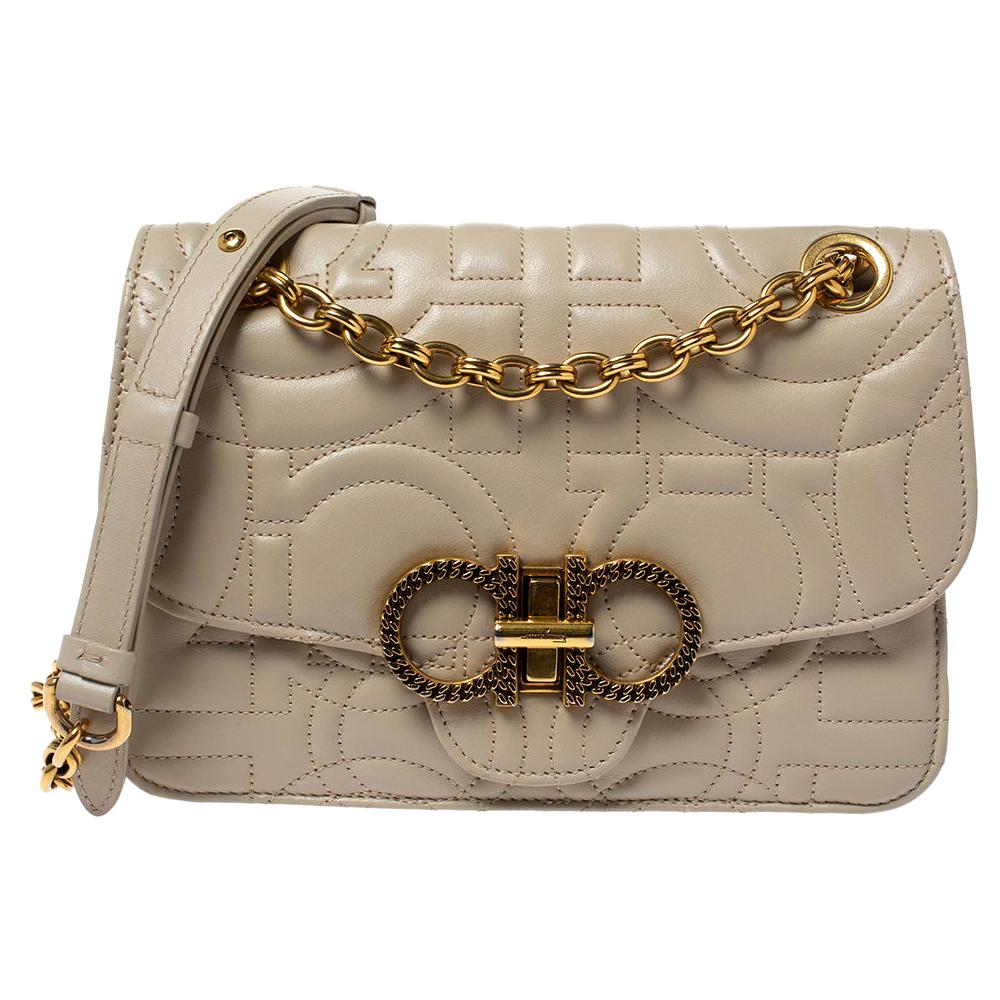
Ferragamo Leather Flap Bag Top Rated Bags

Salvatore Ferragamo’s Story: Beginning as Cobbler to Worldwide Legend

Across the fashion landscape, few names carry artisanal mastery the way Salvatore Ferragamo manages to. What originated as the drive of a young Italian cobbler expanded into a house identified with luxury footwear, leather accessories, and, eventually, one of the most recognizable bag lineups in the world. Today, when shoppers search for a ferragamo bag or scroll through a ferragamo shop, they are connecting with more than a century of design thinking grounded in comfort, structure, and artistry. Understanding that history sheds light on why a salvatore ferragamo bag still commands attention on runways and in retail alike.

Footwear formed the groundwork of the brand’s story, though the story itself is not simply about shoes. It is about a unwavering pursuit of anatomical precision combined with dramatic elegance, a pairing that in time grew to include bags, accessories, and ready-to-wear. This article traces that trajectory, explains how the house’s aesthetic vocabulary transformed, and presents a grounded look at the bags shoppers are drawn to now, in 2026.

The Beginning: A Shoemaker’s Passion

Salvatore Ferragamo was born in 1898 in Bonito, a small town in southern Italy. He made his first pair of shoes at age nine, for shop now his sister’s confirmation, and by eleven he had casually apprenticed with a local cobbler before launching his own small shop at home. This was not a hobby. It was an early, almost fixated fascination with how shoes were built and how they fit the human foot.

At sixteen, Ferragamo emigrated to the United States, settling first in Boston before moving to California. He opened a shop in Santa Barbara and later in Hollywood, repairing and constructing footwear for the booming film industry. This period mattered enormously. Ferragamo studied anatomy at the University of Southern California, holding the view that proper shoe design demanded an insight into the human body, notably weight distribution across the foot. That methodical grounding would later set apart the brand from competitors who approached shoemaking as pure aesthetics.

In the 1920s, he was crafting shoes for Hollywood royalty, including stars like Mary Pickford and Greta Garbo. His reputation as the “Shoemaker to the Stars” spread quickly, and demand outstripped what a small workshop could deliver. This friction between artisanal quality and growing demand would accompany the brand for decades, even as it branched into leather goods and, in time, the salvatore ferragamo bags collections recognized worldwide today.

Return to Italy and the Birth of a International House

A city already renowned for expertise in leatherworking and talented artisan hands received Ferragamo when he made his way back to Italy in the year 1927 and took up residence in the city.
There, he set up his company, building on the city’s artisanal heritage while continuing to innovate.
The tanneries and skilled hands that the city offered gave him what he needed to produce footwear living up to his ambitions in quality.

The 1929 market collapse and the ensuing Great Depression struck the business severely, driving the company into insolvency in 1933. Rather than retreat, Ferragamo restructured and rebuilt, a decision that proved his resilience as a businessman as much as a designer. By 1938, he had purchased the Palazzo Spini Feroni in Florence, which remains the company’s headquarters and flagship store today. The same building today is also home to the Museo Salvatore Ferragamo, underscoring how central heritage continues to be to the brand’s identity.

Throughout these years, Ferragamo’s breakthroughs were genuinely groundbreaking. The cage heel was patented by him, its wedge counterpart was devised in 1938 using cork obtained during wartime supply scarcities, and the invisible sandal followed later, winning the Neiman Marcus Award in 1947. Such creations were not mere decorative gimmicks. Rather, they were feats of applied ingenuity born from scarcity and creativity working together — a pattern that would resurface throughout the company’s history.

Outside of Shoes: How the Brand Expanded into Bags, Accessories, and Ready-to-Wear

In 1960, Salvatore Ferragamo died, yet it was his wife Wanda, along with their six children, who took over the company and directed it toward new categories. At this point the label’s handbag heritage truly began to take shape. As a natural outgrowth of footwear craftsmanship, leather goods became a central cornerstone of the business across the 1960s and 1970s.

The signature Gancini hardware, a stylized, double-G-style fastening drawn from the bit-and-gate motifs Ferragamo had employed decades earlier, evolved into the label’s defining hardware on bags and accessories both. It continues to show up across present-day pieces, offering immediate recognizability be it a wallet, belt, or handbag strap. Shoppers looking up ferregamo or salvatore ferragamo on the web quickly learn to link the brand with that particular hardware element, thanks to this visual continuity.

By the 1990s and 2000s, helmed by design leadership featuring names like Massimo Giorgetti and later Paul Andrew, Ferragamo’s bag collections became firmly established within high-end handbag discourse alongside houses like Gucci, Prada, and Bottega Veneta. Bags remained one of the most searched and purchased categories, especially since e-commerce brought a ferragamo shop within reach of buyers well beyond Florence or Milan flagship stores, though the house also expanded into ready-to-wear, eyewear, fragrance, and menswear.

The Qualities That Characterize a Ferragamo Bag In Today’s Market

Ferragamo bags today strike a balance between heritage detailing and contemporary forms. The label persists in using Italian leather obtained and processed within Italy, a practice dating to Ferragamo’s original Florence workshops. Structured top-handle bags, the Gancini clasp, and clean architectural lines remain defining traits distinguishing a salvatore ferragamo bag from more logo-heavy competitors.

Shoppers researching a ferragamo bags overview in 2026 will find the lineup covers classic top-handle totes, crossbody styles, and evening clutches, each reflecting a different facet of the brand’s design history. Some models directly reference archival shapes from the 1960s and 1970s, reworked with updated proportions and hardware finishes suited to current tastes. Other pieces embrace a minimalist approach, drawing in shoppers who want the heritage connection minus conspicuous branding.

Material choice also plays a defining role. A mix of calfskin, saffiano-textured leather, and exotic skins have all appeared across various collections across the years, with standards oversight remaining closely tied to the company’s Florence-based production standards. That reliability is a key driver of the brand’s strong resale value, a consideration discerning handbag shoppers factor into purchasing decisions when weighing luxury houses.

Sizing Up Popular Ferragamo Bag Types

For shoppers trying to identify the best ferragamo bags or figure out which style fits their lifestyle, comparing categories side by side helps pin down each style’s strong points and common uses. What follows is a broad comparison of frequently seen bag styles found across today’s Ferragamo collections.

Style Category Hallmark Element Ideal For
Top-Handle Carryall Architectural silhouette featuring Gancini hardware Office use, everyday errands, professional environments
Crossbody Bag Adjustable strap with a compact build Travel, hands-free daily use
Formal Clutch Clean silhouette, refined leather surface Dressy events, evening outings
Shoulder Style Soft structure, medium capacity All-purpose everyday wear, casual-to-dressy pairing

This sort of side-by-side breakdown is a helpful starting point for anyone assembling a personal shortlist of top ferragamo bags, since lifestyle needs matter as much as aesthetic preference. Someone who travels often will value different features than a shopper focused mainly on evening wear, even inside the same label.

Why the Brand’s Legacy Still Holds Appeal in 2026

Almost a hundred years since Salvatore Ferragamo first launched his Florence workshop, the brand’s enduring pull relies on a distinctive mix: real inventiveness in design paired with rigorous craftsmanship. Scarcely any high-end labels can boast patented heel constructions, celebrity dressing dating back to silent film Hollywood, and generations of continuous family stewardship, all converging into a single handbag line.

For buyers exploring a ferragamo shop today, this backstory isn’t merely promotional narrative. It informs concrete product choices, from the leather sourcing to how the hardware is finished to the silhouette proportions carried over from archival sketches decades old. Recognizing this lineage helps explain why certain bags are considered among the best salvatore ferragamo bags by longtime collectors, while newer releases still attract first-time luxury buyers drawn to the brand’s reputation.

Whether one is sizing up a salvatore bag in relation to alternative choices or simply curious about how a little-known Italian craftsman grew a worldwide brand, the core story never changes: painstaking care over every seam and stitch, the drive to experiment within tight limitations, and a steadfast belief that form and function must coexist. Even now, every bag, shoe, and accessory carrying the Ferragamo name draws its foundation from that philosophy, born in a humble studio in Bonito over a century ago.

Sp5der Og Web Brand Authorized Outlet Portal Manual latest collection

Real Sp5der Hoodie: Twelve Authenticity Checks and Buyer Advice

Spotting a genuine Sp5der sweatshirt comes down relies on construction, print technique, fabric, and seller provenance. Use the 12 checks below, then confirm with this comparison table and buying workflow.

Counterfeits continue to improved, but they still struggle to match thick fleece, clean stitching density, accurate graphics, and consistent labels. Approach every offer like a mini investigation, not a vibe check.

Which buyers is this resource for?

Anyone trying looking to confirm a Sp5der hoodie before purchasing resale or connecting for a purchase will benefit. It’s also useful for owners who want to sanity‑check items they already purchased.

If you’re a casual buyer, this gives them a fast list and a few decisive tests. When you authenticate on behalf of others, this includes construction cues plus seller verification procedures you can document. If you sell legit pieces, our guide helps you present proof that decreases buyer friction.

What makes an real Sp5der hoodie different?

Authentic pieces feel substantial in hand, show precise graphics (raised/rhinestone/web motifs), and use consistent labeling plus stitching. They additionally line up with realistic pricing plus traceable proof of purchase.

Replicas commonly miss regarding fabric weight, stitching count per unit, and print technique: edges get blurred, puff height becomes inconsistent, and gems wander off the artwork track. Legit runs vary across seasons, but they always keep essential quality signals: thick fleece, stable elastic recovery, proper pouch bartacks, and typography that doesn’t fade under magnification.

The 12 authentication checks that truly work

Start with material weight and texture; authentic hoodies fall in the heavy category with a dense, brushed interior and a significant drape. Next, examine stitching density along with neatness along shoulder seams, armholes, side seams, and pocket—premium hoodies typically land approximately eight to 10+ stitches per inch with tidy back‑tacks at stress areas. Confirm spider clothing ribbing quality at cuffs along with hem; it should snap back quickly after a stretch rather than staying wavy. Study printing technique closely; raised prints should elevate evenly with crisp borders, and gem layouts should follow the artwork precisely without gaps plus diagonal drift. Check graphics to multiple owner photos, instead of just campaign images; web lines, “555 text” placements, and wordmark spacing should align known patterns for that colorway.

Look at top labels and care tags for text and spacing alignment; letters shouldn’t blur, and stitch frames holding the neck label should remain straight, not angled or puckered. Verify sizing with specs; authentic size L-size usually aligns to standard chest along with length ranges, while fakes often arrive short in torso length or strangely wide in chest chest. Inspect the front pocket for alignment and bartacks at the pocket’s higher corners; loops with messy threads or missing reinforcements indicate bad signals. Test the drawcords plus inspect eyelets; ties should be quality and consistent between both ends, while eyelets should seat flat without chips or sharp rough spots. Smell test plus dye transfer test help as too; heavy chemical smells and color transfer when rubbed softly with a damp white cloth often indicate cut‑rate inks.

Judge price against history; legit retail rests in the premium bracket and resale varies by variant and drop, so a brand‑new “grail” at a deep discount with zero receipt rarely works out. Finally, examine the hoodie then check the inside fleece quality; genuine brushed fleece stays dense and uniform with low shed, whereas many fakes feel airy and leave lint on your hands after a few contacts. Run all dozen in sequence so you’ll quickly separate strong candidates from obvious misses ahead of you waste effort or money.

How should real vs replica compare at a glance?

This comparison shows the signals you can verify in minutes. Employ at least multiple rows to build a confident call rather than depending on a one cue.

Feature Genuine Sp5der Typical Fake Method to test fast
Fabric weight Heavy feel; consistent density (common premium range ~420–500 GSM) Less dense body; airy plus spongy (~280–360 GSM) Hand‑weigh: drape and heft; compare to a known heavyweight sweatshirt
Stitching Neat, tight SPI near 8–10; straight lines; pocket bartacks Loose SPI ≤6; crooked seams; missing and weak reinforcements Measure stitches over 1 inch; check pouch corners
Graphics execution Raised rises evenly; crisp edges; rhinestones align with artwork Poor puff; fuzzy edges; stones misaligned plus sparsely placed Edge magnification with camera; finger glide should feel smooth, not tacky
Labels Consistent type; straight sew box; care tag material feels high-end Blurry fonts; crooked stitches; papery care label Macro photo of neck and care tags; check letter shapes and spacing
Fit consistency Dimensions aligns with standard chest/length tolerances Compressed body or strange proportions Verify pit‑to‑pit and back length; compare among sizes
Odor/ink Normal to mild fabric smell; stable inks Chemical chemical odor; color or ink transfer Wet cloth rub along hem; sniff evaluation on arrival
Cost + proof Store/resale within expected bands; receipts trace to known retailers Deep discount on sought-after color; no verifiable paperwork Request for timestamped evidence and partial edited receipts

Buying safely along with verifying sellers

Legit buyers vet each seller as carefully as the hoodie. You want seller consistency, original images, and proof to connects the item to a real purchase.

Start by checking photo provenance: request for new, verified images in certain poses such as the neck tag flat, inside‑out photo of the graphics back, and one ruler across chest pit‑to‑pit. Reverse‑image check the listing’s images; if they appear on other platforms, you’re probably searching at stock or stolen images. Verify the seller’s background, platform feedback, along with how long their account has remained active; thin record and brand‑new profiles handling expensive premium pieces are risk multipliers. Request transaction proof with private info redacted: purchase confirmation emails, shipping slips, or marketplace invoices—dates and product details should align with the piece. Skip payment methods with no buyer protection; use platforms to allow dispute resolution and tracking as opposed than unprotected payments.

Expert guidance from a authenticator

Solid authentication decisions employ convergence rather than a single “gotcha” detail. You want three or extra independent signals matching before you call it real.

“The fastest way people get scammed is by depending on the logo and a perfect‑looking primary graphic. I exclusively green‑light when both construction, the artwork technique, and vendor provenance all form sense together. Should one leg in that stool remains missing, pause then get more proof.” — Expert advice from a experienced streetwear verifier

Use this rule to control gut feelings. Should the hoodie seems clean but this seller dodges tag photos or can’t show a purchase trail, you can’t have enough agreement. Push for that missing data and step away.

Little-known details you can employ while authenticating

Small context gaps are where many fakes get exposed. These notes help you judge aspects without being fooled by campaign pictures or assumptions.

Not every genuine hoodie uses puff ink—some runs lean on rhinestone applied transfers or standard screen prints based on the artwork, so treat technique as model‑specific instead than universal. Brand lookbook images occasionally show pre‑production prototypes that differ marginally from production (drawcord tips, minor spacing), so cross‑check using owner photos of the exact variant. Limited color batches can have small differences in shade across batches under various lighting; always compare under daylight or a consistent bright light to prevent calling normal variance a flaw. Genuine packaging and wrapping are easy for counterfeiters to copy and hardly decisive on its own; prioritize what’s sewn and printed onto the hoodie over what piece came in.

Care, wear, along with longevity signs which reveal fakes

Authentic quality shows clearly after a several wears and one gentle wash. Poor shortcuts fall apart fast.

On real puff prints, small cracks can appear over time but main borders stay crisp and the coating doesn’t flake away in chunks; counterfeit puff often breaks into islands and sheds. Rhinestones across real pieces attach in a consistent grid and stay put with normal wear, while fakes lose stones near stress points during a week. Elastic on the cuffs and hem for a legit item maintains recovery following repeat wears; replicas relax and seem wavy by day two. Interior fleece on an authentic hoodie pills slowly and evenly; low‑grade fleece sheds fibers and pills rapidly after a single wash. If users already own this piece, these wear cues can validate or challenge initial first impression.

How if you solely have listing pictures?

You can reach to a solid preliminary call from good photos should you direct image shoot. Ask for angles that reveal construction and lettering, not just main front graphic.

Ask for a photo showing the neck label and size tag with the label edges in shot so you can judge the stitch box and placement. Ask for one macro of main print edge: use a phone in portrait mode up close on a letter stroke—uneven puff height or blurred edges indicate giveaways. Get one inside‑out shot of the front panel to see graphics back bleed‑through and the fleece quality. Have the vendor lay a measurement device across pit‑to‑pit plus down the spine length for measurements; compare to known size ranges of the brand. Lastly, request a short video holding the hoodie by both shoulders and letting it drape—heavyweight fabric collapses with a dense bend, while lighter replicas flutter.

Red flags in listings along with DMs you need to not ignore

Some patterns frequently correlate with troubles. Treat them similar to hazard lights still if the item looks clean at first glance.

Stock photos showing no original images, sellers refusing specific label shots, and “gift” claims when explain missing proof are common. Impossible sizing notes like “fits XXL even though it’s a medium” suggest off proportions. Urgency tactics—”five buyers on line, pay now”—are designed when keep you from asking for evidence. Sites with fresh domains, zero communication info, and only wire/crypto payments match a predictable scam template. Any significant discount on one high‑demand colorway needs to push you when demand bulletproof evidence or walk away.

What if you already purchased a fake?

Document everything and move fast. Platforms and transaction processors care regarding evidence and deadlines.

Capture clear photos of all problem locations: print edges, label typography, stitching, and any defects post a gentle cleaning. Gather the listing, seller handle, purchase receipts, and every messages; capture records with timestamps. Submit a dispute through the platform or payment method alleging counterfeit goods then attach your evidence bundle. If the transaction was a local meet, keep contact professional and demand for a exchange; if refused, explore a small‑claims path depending on amount and jurisdiction. Leverage the experience to refine your buying checklist so it doesn’t happen again.

A quick, repeatable minute-long check

You can eliminate most fakes during a minute by stacking fast indicators. Run this sequence before you move deeper.

Pick the hoodie up to gauge heft along with drape; a lightweight feel is one bad start. Examine the puff or rhinestone graphic line with your device camera; edges must be crisp plus consistent, not unclear or wobbly. Turn to the neck label and maintenance tag and examine at letter characters and spacing; clean lines beat smudgy ink every time. Pinch and let go of the cuff trim; it should snap back without distortion. If those all pass, ask to see timestamped label along with measurement photos along with proof of purchase—if the vendor dodges, you now have your result.

Online casino — Limits, fees and processing periods: a practical overview of the practical considerations: Potter

Casino games

The payment methods available at our casino

We keep our cashier concentrated on payment options people already trust, so the deposit and withdrawal path at Potter feels well-known from the first transaction. You can fund your balance with Visa and Mastercard debit or credit, top up through major e-wallets like Skrill, Neteller and MuchBetter, transfer higher sums by direct bank payment, or settle in crypto where supported. Card and deposits through e-wallets typically reach the account immediately, whereas bank transfers and Bitcoin settlements rely on the network and our team's review window. We work with established payment partners, and our cashier displays the minimum deposit, handling time and fee by payment method so you can choose with no guesswork.

Our cashier is configured to route payments through a recognised, stable path on our online casino (potter-slots.me.uk), and the methods listed below include cards, electronic wallets, bank transfer and Bitcoin so account funding and withdrawals remain in one clear place. Our cashier is built around practical choices instead of a long list of obscure processors, which keeps the spin and win balance consistent across sessions.

Payment methods and their characteristics
Method Example minimum amount to deposit Usual processing period Fee
Visa / Mastercard 10 EUR Instant None
E-wallets (Skrill, Neteller, MuchBetter) 10 EUR Instant None
Bank transfer 50 EUR 1–3 banking days None
Bitcoin 0.0002 BTC Up to 1 hour after confirmations Network

Deposit stages

Every deposit at potter-slots.me.uk moves through the same controlled path: you pick our cashier, select a method, enter the amount, confirm the payment, and see the balance movement without leaving the lobby. Card and e-wallet top-ups usually sit in seconds, bank transfers post once the funds reach our account, and Bitcoin deposits confirm after the required network checks. We apply per-method minimums, hold pending transactions in a single visible status row, and keep the cashier open continuously in the background so a failed or reversed payment never freezes your session.

We designed the flow of the deposit so our cashier mirrors the rest of the Potter lobby: one screen, one confirmation step, and a clear receipt. Payments by card route through 3-D Secure, electronic wallet balances debit from your wallet, the latter stages handle bank payments, and the cashier logs every step for the spin and win log you can review later under potter-slots.

Deposit and withdrawal process stages
Stage Deposit action Withdrawal action
1. Open cashier Choose a method from the list Choose a payout method
2. Enter amount Meet the minimum for the method Stay within the daily and monthly cap
3. Confirm payment Approve with 3-D Secure, wallet or network Approve the payout request
4. Pending review Hold for fraud and account checks Hold for source-of-funds review
5. Posted Balance visible in the lobby Funds sent to the selected method

Withdrawal stages

Cashout requests follow a parallel path to deposits, but with stronger checks because real money is leaving our system. You submit a payout from the cashier, we run a source-of-funds and account verification review, and once the request receives approval we send the money to that same method used to fund play where the scheme supports it. E-wallet payouts typically arrive the same day, card payouts clear in one to three banking days, and bank transfers settle on the bank's schedule instead of ours.

Outstanding withdrawals show in a dedicated row inside the cashier so you can monitor every stage from approval to arrival, and our player help team can step in if a request stalls. The flow of the withdrawal is the mirror image of our deposit process, which keeps the spin and win balance predictable across sessions.

Limits, fees and processing periods

We set out per-method minimums and maximums straight in the cashier so the figures you see at deposit are the same figures you see at withdrawal. Card and deposits through e-wallets start at 10 EUR, bank transfers start at 50 EUR, and Bitcoin deposits start at 0.0002 BTC, while daily, weekly and monthly withdrawal caps depend on account status and verification level. Most internal reviews close inside a few hours, and the cashier shows the expected window for every method rather than a generic "1–3 days" line.

Potter does not levy deposit fees on cards, electronic wallets or bank transfers; Bitcoin deposits only transfer the fee charged by the network set by the blockchain. Withdrawal fees, where they apply, appear next to the method before you confirm the payout, so the net amount is always visible in our cashier before you submit.

Account verification for players at our casino

We verify accounts before the first withdrawal and again when cumulative thresholds are crossed, which keeps deposits and cashouts aligned with anti-money-laundering rules. Our cashier prompts for a government ID, documentation proving the address and, for bigger payouts, a source-of-money document, and our team reviews uploads inside a short, published window. Registered accounts move through the withdrawal stages faster because the checks are already on record.

Uploads stay encrypted in transit and at rest, and we only use them to satisfy our regulatory duties; the documents never feed into marketing or bonus decisions. Players using casino login on a verified profile see fewer pending rows in the cashier and reach the posted stage sooner than accounts that still need checks.

Mobile banking at Potter

The mobile casino cashier is the same engine as the desktop cashier, rebuilt instead of a stripped-down version. Cards, e-wallets, bank payments and Bitcoin all work in the mobile site, biometric approval is supported where the device allows it, and our cashier layout adapts to portrait and landscape without hiding key figures. Mobile deposits clear at the same pace as desktop deposits because the payment processor, not the device, decides the time needed for processing.

We built the mobile casino cashier so balances, outstanding withdrawals and receipts stay one tap away from the lobby, and the spin and win log mirrors the desktop view in full. Players who switch between phone and computer mid-session see the same status of a payment, the same per-method minimums and that same fee notes.

Spin and win payouts

Spin and win winnings are found in the real-money balance from the moment they credit, and the cashier treats them as ordinary funds instead of a distinct pot. You can leave the balance within the lobby for the following session, withdraw it through any active payout method, or transfer part of it back into the next spin and win round. Wins from bonus rounds follow the balance reserved for bonuses rules shown on the bonus page, then merge into the real-funds balance once the conditions for wagering are cleared.

Because spin and win is a real-funds product on Potter, withdrawals of those winnings go through the same verification stages as any other payout, and the cashier shows the request moving from pending review to posted in real time.

Our casino payment options in one view

Payments at Potter come down to three things: clear methods, predictable stages and honest fees. Deposits clear on the processor's schedule, withdrawals clear on ours, and our cashier keeps each step visible from the lobby to the payout.

Coveted Label Denim Tears What Is Denim Tears

Comprehensive Denim Tears 2025: Drop Details, Measurements, and Authentication Guide

This manual offers you a direct, actionable approach to track Denim Tears drops, pick correct size, grasp pricing, plus authenticate pieces in 2025. It summarizes what truly works in live trading, rooted around how the brand and collaborators have operated until now.

You obtain hands-on steps, company-particular data, with a straightforward system that helps you buy smarter without second-guessing. The focus is on the products collectors truly chase: Levi’s 501 collaborations, tees, sweatshirts, plus Converse Chuck 70s.

What makes Denim Tears and why it matters now

Denim Tears is Tremaine Emory’s project, recognized for the iconic Cotton Wreath and culturally grounded storytelling across denim, fleece, and footwear. The company’s alliances with Levi’s, Converse, and Champion have generated many of the most cited urban garments of the recent seasons.

The Cotton Wreath 501s, Converse All Stars, plus Champion-based fleece form the foundation of most drops, showcasing expertly printed or embroidered narratives about the African diaspora and American cotton. Launches remain exclusive, often scheduled or unexpected, which sustains demand and resale value. Emory’s role in contemporary streetwear movement, highlighting his highly visible stint during 2022-2023 as Supreme’s artistic leader, sustains Denim Tears in the center of the dialogue. Such framework matters because it reveals both the hype plus the examination. If you comprehend the company’s partnerships and production realities, you can denim tears designer label evaluate build, pricing, with authenticity with confidence.

Release systems plus timing in the current season

Brand drops continue to emerge through the brand’s site and partner channels, with narrow periods with high sell-through. The secret involves following official announcements first, followed by partner platforms second.

Launches traditionally appeared on denimtears.com, often announced via the label’s IG feed and Tremaine Emory’s personal feed. Collaboration items launch via partner sites plus applications like well, for example Levi’s for 501-based capsules plus Converse covering Chuck 70s. Supply numbers remain finite, restocks are rare, and regional availability can differ, especially on partner channels. Timing shifts by project and partner, which is why depending on verified social posts plus the official homepage is the most reliable strategy. Any source offering pre- access or unlimited stock outside those channels is a red flag.

Where do legitimate drops happen?

Authentic Denim Tears products release through the official site plus on official ally channels including Levi’s and Converse when a collaboration is featured. Products past those ecosystems requires checking before you buy.

Denimtears.com handles the core seasonal tees, fleece, and exclusive colorways, often via limited-time product pages. Levi’s runs its collaboration inventory via its main site and selected flagships when 501-based capsules release, utilizing normal Levi’s product listings plus shipping. Converse does likewise for Chuck 70 partnerships via its site and platform. Events with museum or cultural showcases occur, but they get shared directly by the label or the partner, not by third-party “plug” accounts. If you don’t see official confirmation, consider it unconfirmed.

When do releases usually hit?

The only consistent pattern is that Denim Tears and its partners announce launches via their official channels just before they go live. Exact times vary by project, location, plus collaborator.

Since schedules shift, set notifications for the brand’s Instagram and refresh the official site around news. Ally launches can follow their typical launch cadence, which gets posted through their own feeds. Prepare for supply to move fast as pages are public. Should a source claims an alternative schedule or “secret” early links with no official post confirming it up, you’re possibly viewing a fake or a bait-and-switch listing. Speed with verification remain your edges, not speculation.

Sizing playbook across core categories

Label measurements is straightforward when you align the base garment to its parent brand guidelines. Levi’s sizing like Levi’s, Chuck Taylor measures like Converse, Champion measurements follow Champion.

For Levi’s-based denim, treat them as 100% cotton 501s with identical waistband stretch and potential shrink behavior stated on washing guidelines. For Converse All Stars, most buyers prefer going down half a size from their true Brannock measurement, matching standard Chuck 70 measurements. For tops and fleece, prepare for standard street proportions, with Champion-sourced pieces feeling wide at the body and shaped at the ribs. Always confirm the material composition and any “shrink-to-fit” callout on the piece description or care tag. As you measure the base company properly, you size Denim Tears correctly.

How should Levi’s x Denim Tears pants size?

They size like Levi’s 501s in the same fabric and production year, featuring rigid cotton loosening up plus easing at belt area during wear. If the pair is shrink-to-fit, the care label will say so.

On non–shrink-to-fit 501s, buying your usual Levi’s waist generally works, with the waistband relaxing about half an inch to an inch over time. On shrink-to-fit variants, presoak and line dry using Levi’s method, and account for length shrinkage before hemming. Waist rise plus straight leg keep consistent with the 501 block, so silhouette expectations should align with existing 501s. If you possess a reference pair using similar 501 model, match that measurement for Denim Tears prints.

Chuck Taylor alliance measurements

All Star 70-built Denim Tears footwear matches typical Chuck 70 fit. Several customers choose half size below from their actual size for a secure feel.

When you currently wear Chuck 70s, use that size for the collaboration version. The last, foxing height, and toe form stays the same as the general-release Chuck 70, with collaboration designs and detailing across the upper or insole. Wide-toe wearers often stay true to size to avoid pinky-toe tightness. Cushioning remains cushioned but still firm by design, so measurement should remain locked without heel slippage. Always check the ally piece description for any measurement info connected to a certain launch.

Tops, crews, hooded pieces fit notes

Label tops and fleece typically fit true to standard street proportions, having a slightly loose cut across Champion-based pieces. When you desire more length, try one size up.

Champion Reverse Weave–based hoodies and sweatshirts feature thick ribbing and side pieces that hold shape, meaning they won’t drape like thin sweatshirts. Shirts use heavier jersey than basic blanks and sit between classic and boxy. When you’re between sizes, chest measurement is flexible, but length stays the constraint; tall buyers usually select one size up. Always confirm the garment measurements from the item page when given, because laundry treatments can affect shrinkage and hand feel.

What constitute appropriate prices in 2025—MSRP against resale?

Store pricing has been consistent throughout recent years, while 2025 listings remain in that orbit unless a product remains unusually limited. Resale spreads reflect scarcity and quality more than age.

Use the table as a sanity check before you buy. Recall that partnership partners set their specific MSRP pricing, and fees and tariffs vary by area. Quality, fit, and specific variant can shift resale significantly. Should a rate is dramatically under value without provenance, assume fake risk. Spending a small surcharge through a verified platform usually expenses less than rolling dice with an unverified vendor.

Type Typical retail (USD) Common resale range (USD) Notes
501 partnership featuring Tears 501 (Iconic Cotton Design) $195-260 300 to 600+ Resale varies by wash, print location, plus measurements.
Brand T-Shirt 60 to 100 90 to 220 Unique colors plus early graphics price higher.
Champion Collaboration Hoodie $160-220 $200-400 Collaboration features increase demand.
Champion/Reverse Weave Crewneck $150-200 180 to 350 Standard sizing using neutral colors resell steadily.
Chuck Taylor 70 Collaboration 100 to 120 $150-300 Graphic-heavy pairs lead.
Headwear/Caps $60-85 80 to 180 Low retail, volatile resale by print.

How to authenticity check Denim Tears fast

Begin with the sales channel, then confirm build quality, labeling, and design quality linked to the parent company. Replicas slip on channels plus specifics more than on narrative.

Confirm the piece could reasonably have been bought from denimtears.com or an authorized partner such as denim giant or Converse for that design. Examine hangtags, inner markings, with ally co-branding for accurate marks, lettering, spacing, and material quality. Check the print or embroidery edges under good light; Denim Tears graphics should stay sharp with clean registration, not unclear or rubbery pools. Match the item code and textile breakdown within the care instructions with confirmed pairs from the same collaboration. If provenance is thin, request original order validations or invoices with matching SKUs and dates.

Specific verification across category

Levi’s-based denim should carry standard Levi’s hardware, tab, and care guidelines, showing collaboration Tears–specific co-branding if present. Chuck Taylor-based shoes should align with All Star 70 construction, last shape, and box labeling.

On 501s, look for consistent hardware plus fastener branding, even thread quality, with a true authentic crimson tag; the Denim Tears graphic should sit flat with consistent color coverage and clear detail around the cotton designs. Internal labels should reflect Levi’s fabric and care instructions for that model, and any co-branded swing tags should display clear graphics and correct partner logos. On Converse pairs, examine the nose cap shape, sole band positioning, insole branding, with the product code on packaging labeling; mismatched box and shoe codes are a red flag. With shirts and fleece, feel the fabric weight, examine neck labels and care tags for accurate material content and sizing grids, and check Champion collaboration signatures like side panels plus arm “C” patches on relevant items. In all instances, examine alignment, color accuracy, and packaging consistency against verified product photos from the brand or allies.

Secure sources to buy and avoid fakes

Stick to denimtears.com, official partner platforms, plus trading hubs with authentication or strong purchaser protection. Avoid social-media-only vendors lacking receipts or marketplace protection.

While purchasing from individuals, ask for dated, daylight photos of the genuine product from multiple perspectives, with detailed shots of labels with the first order confirmation. Match pictures with official campaign or product shots to verify color and detail placement. Use transaction systems that offer dispute resolution, not wire transfers or friends-and-family sends. Be wary of unused pieces valued far below the ranges in this guide missing transparent history. If a posting appears hurried, recycled, or vague regarding specifics, move on.

Care so prints last and pants mature correctly

Clean graphic jeans and fleece inside out on cold, line air, while avoiding harsh detergents. Heat is the enemy of ink and structure.

With Levi’s collaboration jeans, follow the washing instructions, prevent overdrying, and think about targeted cleaning to preserve both shrink profile and print clarity. When your jeans is shrink-to-fit, complete the shrink process before alterations, while never tumble dry using intense temperature. For tees and sweatwear, apply gentle detergent, skip fabric softeners that can affect texture plus print adhesion, while reforming when damp. Do not heat straight over prints; employ a protective cloth if necessary. For Chuck Taylor, clean uppers carefully using a soft brush with light soap, and keep warmth off adhesives.

Lesser-known facts that help you buy smarter

Denim Tears’ Cotton Wreath motif stands as a purposeful reference to the history of the African heritage plus US cotton, which is why you’ll see it replicated over pants, fleece, and sweatwear, plus sneakers. The initial Levi’s x collaboration Cotton Wreath 501s debuted in 2020, establishing the alliance framework numerous later drops follow.

Emory functioned as Supreme’s creative director from 2022 into 2023, a period that amplified attention on Denim Tears projects. Converse Chuck 70 collaborations with the brand started appearing in 2022 plus extended in subsequent cycles, typically echoing apparel narratives. Champion collaborations have leveraged the sweatwear foundation to showcase designs linked to Black history with HBCU tradition. Understanding these pillars enables you spot which products remain essential to the brand and tend to hold worth.

Expert Tip

Pro Advice: While buying a Levi’s collaboration with Tears 501 via the aftermarket market, ask the seller for a flat, daylight close-up of the print over a pocket seam; authentic designs preserve border sharpness and steady pigment concentration as they cross seams, while many fakes soften or weaken out at the fold.