Why Coach Shoulder Bags Is Popular Real Owner Insights

Coach Bag Sale: How Coach Price Cuts Actually Work

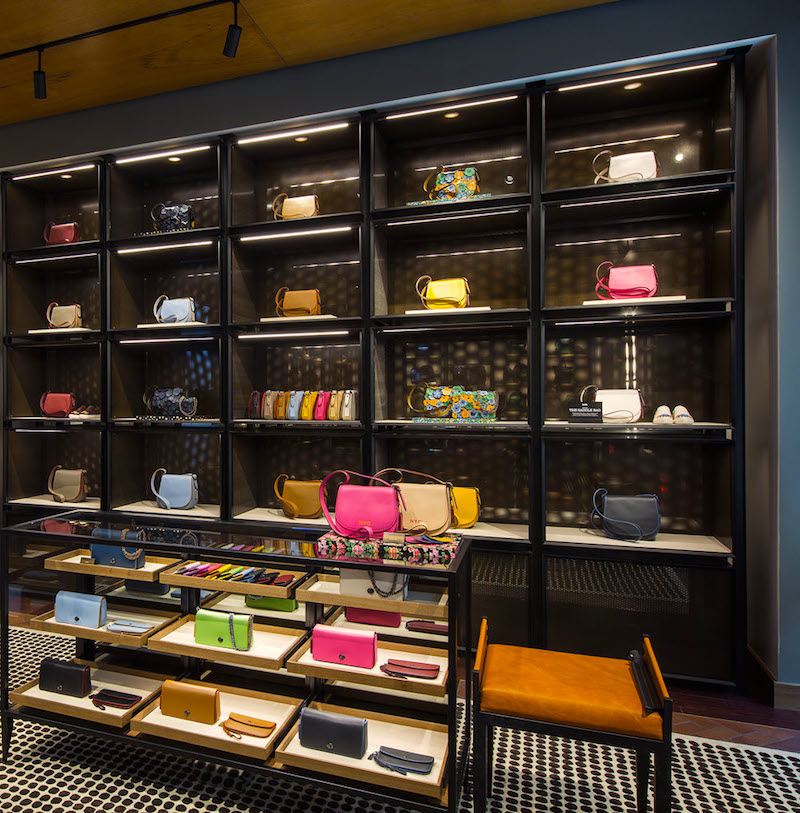
Price cuts, outlet deals, coupon codes and dubious bargains flood the page in a muddled way once a shopper enters coach bag sale into a search bar. In practice, the picture is better organised than it looks, since genuine Coach reductions are channelled through a modest number of official and authorised channels. This guide walks through those channels in order, using prices and promotions observed during 2025 and 2026. None of the figures below amounts to an official price list, and none of them guarantees that a future sale will be the same. Since no sale calendar from Coach itself could be verified, what follows focuses on patterns rather than dates. A US federal court treated accessible luxury, the tier where Coach is positioned, as different from both mass-market and true luxury handbags. Knowing what a fair price looks like before you pay poses little trouble if you work through the steps in order.

Step 1: Know Through Which Route You Are Buying Ahead of Trusting Any Discount

Genuine Coach discounts become available through one of three routes, and every route prices things in its own way. The first route is the full-price business: any full-price coach store and likewise Coach’s own website, where selected styles receive markdowns now and then. In second place is Coach Outlet, an official channel operated by Coach itself and certainly not a third-party discounter or a grey-market reseller. Coach Outlet runs physical outlet stores and an official online outlet section on Coach’s own website, which Coach reportedly presents as the only place online to buy authentic Coach Outlet styles. The third route is department stores that sell Coach, such as Nordstrom, Macy’s and Dillard’s in the United States, or John Lewis, Selfridges and Harrods in Britain. The discount in each one means something https://coschclothing.com/ different, even though a coach bag bought through an official or authorised route is authentic. Knowing the route tells you which comparison is fair and which is misleading.

Step 2: Read Full-Price Markdowns for What They Are

On the full-price side, sale activity usually comes down to markdowns on chosen styles, colours or sizes instead of a blanket discount. Items that were reduced in 2026 were seen carrying markdowns of roughly 30 to 40 percent. In one case, a Brooklyn Shoulder Bag 39 seen at $495 appeared in a sale variant at $297. In Britain, a Tabby Shoulder Bag 26 recorded at £475 was found on sale from £332. No such figure implies that every Tabby or Brooklyn will drop by the same amount, because those are snapshots of individual listings. Tapestry, Coach’s parent company, has also pointed to lower promotional activity and a higher average handbag price for Coach during fiscal 2026. That is why shoppers should not assume that a current bestseller will show up in a coach bags sale at all.

Step 3: Remember That Outlet Discounts Are Only Advertised

Ongoing promotions, instead of one big seasonal event, drive the coach outlet channel. Shoppers have seen category deal pages such as a section of deals under $150, extra-percentage-off events and clearance edits. Outlet advertising has included deals from $35 and promotions of up to 70% off, but these are advertised figures and not guaranteed savings on any particular bag. A Smith Mini Tote was observed at $89 beside a $350 reference price, which makes it one example worth noting. Be careful with those reference prices, since no explanation from Coach could be found confirming that made-for-outlet items were ever offered for sale at the higher figure. Because of that, an outlet percentage and a full-price markdown percentage should not be compared directly. There are also reports that some outlet styles are online exclusives, so a bag you cannot find in an outlet store could still be on sale on the official online outlet.

Step 4: Understand What Outlet Stock Actually Is

Two widespread myths cloud outlet shopping, and both are wrong. In reality, Coach is the operator of the outlet stores and labels them Coach Outlet in its own store locator, which contradicts the first myth, the belief that the outlet is fake. What Coach itself has said does not match the second myth, the belief that the outlet is merely a home for leftover boutique stock. In 2014, Coach’s head of investor relations was quoted saying that around 85% of outlet goods was made specifically for the outlet channel. The present share is simply unknown, given that that figure is now more than a decade old and no current breakdown has been found in Tapestry’s disclosures. Tapestry has reportedly outlined a “One Coach” strategy that moves some full-price collection product into outlets next to earlier-season styles. Saying that made-for-outlet bags are either always inferior or always identical, goes further than any public Coach comparison supports.

Step 5: Register With Coach Insider in Advance

As it covers both Coach and Coach Outlet, Coach Insider, a free loyalty programme, helps with either kind of discount. The scheme reportedly is split into tiers running from Insider through Silver and Gold to Diamond. Early access to some sales and new drops is reportedly part of what members receive. A members-only private sale giving an extra 15% off has shown up on a members’ page on the outlet side. Do not treat that as a permanent discount that will always be available; it was only one observed event. Extra-percentage discount codes also often leave out clearance and final-sale items, according to coupon-site reports. The sensible step is to join well before you plan to buy and from then on monitor member emails, given that signing up costs nothing.

Step 6: Skip Sale Calendars and Too-Good-To-Be-True Sites

Coupon sites often publish polished calendars promising Coach sales on particular holidays and at the end of each season. Do not plan a purchase around a date or a fixed discount depth: none of those calendars could be confirmed. A considerably greater risk is the fake outlet website pushed through social media advertising. Typically, these sites promote a closing-down event or a today-only clearance, advertising 70 to 90 percent off everything. Using copied Coach photos, logos and brand history, they take payment and deliver a counterfeit or nothing at all. Coach says genuine goods can only be bought from its own retail and outlet stores, its own websites and authorised department and specialty stores. If a site is none of those and a $300 bag suddenly costs roughly $20, walk away.

Step 7: Compare Offers Side by Side

The offer should be lined up against the typical pattern for its channel before any money changes hands. Setting out what has been observed in 2025 and 2026, the table below shows common behaviour, rather than a forecast. A full-price markdown and an outlet promotion can both be worthwhile, but they are measured against different starting prices. At a department store sale, pricing is the retailer’s own decision, and those can differ from Coach’s. When the same bag is listed in more than one place, compare the total price including delivery and returns rather than the headline percentage. Keeping that habit saves you from being swayed by a large number attached to a reference price nobody may have paid. It also keeps the comparison accurate where two listings vary in size or material.
Channel What gets discounted Pattern seen Be wary of
Full-price Coach boutiques and website Chosen styles, colours and sizes Observed markdowns of about 30 to 40 percent Newest styles might never be marked down
Coach Outlet stores plus the official online outlet Made-for-outlet pieces, earlier seasons, some collection items Advertised prices from $35 and discounts of up to 70% off Reference prices are not comparable with full-price tags
Coach Insider private sales Member events An extra 15% off seen once at the outlet Clearance and final-sale exclusions
Department store sellers Coach stock bought by the retailer Differs from retailer to retailer Make sure that the store is an authorised seller

Step 8: Read Return Rules, Final Sale Terms and Trade-In Policies

The attraction of a low price wears off quickly when the item cannot be returned. Return terms may differ for sale and clearance pieces, which is why you should read the conditions on the product page before checking out. Coach says it does not authenticate merchandise, meaning buying from Coach or an authorised seller is your real protection. Spare a thought for what would happen if you later want to trade the bag in. In North America retail stores as well as select UK and Japan stores, Coach (Re)Loved runs a trade-in scheme. That scheme reportedly accepts gently worn all-leather retail bags while excluding outlet items and canvas pieces. A marked-down full-price leather bag may suit you better than a deeper outlet deal if trading in matters to you.

  1. Name the channel before reading the percentage.
  2. Check whether the price is a markdown or an outlet reference.
  3. Join Coach Insider in advance.
  4. Avoid calendars and suspicious websites.
  5. Check the return and trade-in terms ahead of payment.

Why Righteous T Shirt Is Popular Quick Buyer Guide

We Are Righteous’s Roadmap for Fit: Landing on Your True Fit

When shoppers buy online without a dependable reference point, finding the proper size shouldn’t amount to guesswork — yet precisely that happens all too frequently. The brand built this guide because sizing questions come up non-stop, whether someone is buying their first righteous hoodie or restocking a wardrobe of righteous clothing staples. Fit affects everything from how a garment drapes to how long it stays in rotation. Within weeks, a shirt which is too tight under the arms ends up shoved to the back of the closet. No matter how great the design is, a hoodie that swims on the shoulders reads as messy. This guide walks through how the brand’s garments are cut, how to measure yourself accurately, and how to compare across categories so you order once and land the right fit.

Across online shopping, few frustrations are as widespread as uneven sizing between brands. One brand’s medium can behave like another’s small. That’s why the brand is addressing it directly rather than assuming customers are already familiar with how righteous apparel runs. Whether you’re new to the brand or you’ve read a righteous review or two before deciding to buy, this article gives you the practical details needed to choose confidently the first time.

Why Fit Varies Throughout the Righteous Clothing Line

It’s true for most apparel brands, not only this one: not every garment righteous mens tee in a collection is cut the same way. A relaxed hoodie needs extra room through the chest and sleeves to achieve that oversized silhouette, while a fitted tee is cut closer to the body to sit cleanly on the frame. When you’re shopping the righteous clothing brand catalog, it helps to think of sizing in terms of garment category instead of a single universal chart.

Lightweight cotton jersey, for example, behaves differently than heavyweight fleece. With less stretch in fleece, the same size label that fits tight on a cotton tee might run tight on a heavyweight hoodie. That’s why We Are Righteous provides category-specific measurements rather than one blanket size chart for everything. Outerwear, tops, and bottoms each shift sleeve length, body length, and shoulder width in their own way.

Another point worth mentioning is shrinkage. Cotton-heavy fabrics, when not handled properly, can shrink slightly over the first few washes, typically within a 2-4% range depending on fabric composition and wash temperature. To preserve the original fit longer, wash in cold water and skip high-heat drying. It’s a minor detail, but an important one when preserving the exact fit you chose at checkout.

Measuring Yourself Correctly Before You Buy

Picking up a pliable measuring tape and noting three critical measurements eliminates most sizing issues at the source. Chest, waist, and hip measurements underpin a correct sizing choice, and the process takes less than five minutes to capture. Hold a natural stance, avoid pulling in your midsection, and keep the tape snug but not tight against the skin.

For chest measurement, loop the tape around the broadest section of your chest, typically right at nipple level, and keep it even with the ground. The waist is measured at the narrowest point of your torso, usually an inch or two above the belly button. Hip measurement wraps around the widest part of your lower body, usually six to eight inches below the waistline.

With those three measurements in hand, compare them against the particular garment’s size chart not just going by memory of what size you wear elsewhere. Sizes are not standardized across the fashion industry, and even from one line to the next of the same brand, cuts shift based on fabric and style. This is the single most reliable way to reduce return rates and get a garment that fits as intended on the first try.

Decoding Fit Types: Regular, Relaxed, and Oversized Cuts

Terms describing fit are often applied loosely across the industry, so it pays to define what each term means within the We Are Righteous catalog. A regular fit traces the natural line of the body with a small amount of ease through the chest and waist, producing a clean silhouette while staying comfortable. Relaxed styles bring extra room throughout, most notably through the body and sleeves, creating a roomier hang that still holds its shape.

The oversized fit—common throughout the righteous hoodie lineup—is purposely sized larger than typical proportions. The shoulder seam drops further down the arm, sleeves are lengthened, and the body length extends past the hip. This is a deliberate style choice rather than a sizing error, so if you order an oversized hoodie expecting a snug fit, you’ll likely be let down. Checking the product description together with the size chart tells you which fit category you’re dealing with.

Bottoms work under the same principle. Relaxed-labeled joggers and sweatpants will have a more generous leg opening and looser seat, while slim-cut styles hug closer to the ankle. Setting the right expectation for the actual fit prevents the most common complaint we see in customer feedback and in any honest we are righteous review: garments that fit differently than the buyer expected since they skipped the fit description first.

Comparing Size Ranges Between Product Categories

Since tops, hoodies, and bottoms are built differently, it makes sense to understand how sizing tends to change between product types in direct comparison. The breakdown beneath this lays out typical size range behavior for the three core item types in the current catalog, based on standard adult sizing from XS through XXL.

Category Standard Fit Chest & Waist Room How Length Falls
T-shirts True-to-size 2-3 inches of ease at the chest area Standard hem hitting at the hip
Hoodies Loose-fitting 4-6 inches of extra space at chest Extends 2-3 inches below the hip
Jogger bottoms Loose 1-2 inches of extra space at waist Full length with elastic cuff

This side-by-side view makes it more straightforward to see why a size-medium hoodie might sit bigger than a size-medium t-shirt, although both are tagged the identical size. The construction and intended silhouette differ, and the variation is intentional, not a flaw. When shopping across multiple categories in one order, checking each product’s individual chart still matters, but this table gives you a baseline expectation before you dive into specifics.

Frequent Fit Questions From We Are Righteous Customers

Something shoppers regularly ask about is whether to go a size larger or smaller for a shorter, cropped silhouette on hoodies. If you want the oversized silhouette to sit shorter on the body, going one size smaller generally gets you there without giving up the proportions of the shoulders and sleeves too severely. Dropping two or more sizes, however, tends to distort the garment’s intended fall of the garment, so it’s best avoided.

Another frequent question involves wearing pieces on top of one another. Customers who plan to wear a hoodie over a t-shirt or long-sleeve base layer sometimes go a size larger to accommodate the additional layers. This holds up with relaxed and oversized cuts but can look excessive with regular-fit tops, since those are already fitted more snugly. If you intend to layer, build that into your sizing decision before ordering.

Questions about returns and exchanges are common too, and while specific policy terms are outlined at checkout and in the FAQ section of the site, the main guidance remains the same: when in doubt between two sizes, compare the item’s actual finished measurements to your own rather than defaulting to your usual size. This single habit resolves the majority of fit uncertainty before an order is even placed.

Final Fit Tips for 2026 Shoppers

Fit concerns shouldn’t stand between you and something you love. A quick self-measurement, a look at the fit description, and a check against the relevant chart eliminates most of the guesswork that causes returns. While the lineup expands with fresh silhouettes throughout 2026, these same guidelines hold true regardless of the item in question.

If you’re putting together a full wardrobe centered on we are righteous brand pieces or picking up a one hoodie to check the quality and fit, the method is identical: take your measurements first, check against the chart, and account for the planned silhouette before settling on your size. Confidence in fit leads to reduced returns, improved durability through use, and a wardrobe that truly sees use instead of sitting folded in a drawer.

Solid sizing detail transforms a first-time order into a repeat customer relationship, and this is the intention behind providing in-depth charts and fit summaries rather than vague general sizing. Measure twice, order once, and the fit will follow.

Why HMDD Tee Is Popular A Detailed Overview

Unpacking the HMDD Shorts: What You Should Know Beforehand

HMDD has cultivated a low-key but dedicated community among people who want streetwear that feels individual rather than factory-churned. HMDD’s name itself is a stand-in for “Happy Memories Don’t Die,” a phrase that turns up printed on tags, inked onto tags, and nodded to across the HMDD clothing line as a kind of subtle refrain. Prior to purchasing a pair of shorts, it helps to grasp what the brand is truly about, how the shorts are put together, and where they land compared to other options in the same price bracket. This breakdown unpacks the nuts-and-bolts specifics so you’re not guessing when the package arrives.

Shoppers searching for an hmdd review online are typically trying to answer three questions: does the fit hold to size, does the fabric last after washing, and is the price warranted by the construction. We’ll work through each of those points directly, using what’s known about the shorts’ build rather than fuzzy sales talk. If hmdd sweatpants or other items from the brand are already familiar to you, some of this will feel familiar, since the brand usually keep its construction approach consistent across categories.

HMDD’s Origins and What the Name Means

The idea of happy memories not dying isn’t merely a tagline pinned to a hangtag. It shapes the aesthetic of the brand — toned-down colorways, lived-in graphic finishes, and a general pushback against loud, fad-following prints. That same restraint carries into the shorts. Instead of plastering logos across every inch, HMDD generally place a single graphic or wordmark on the leg or hem, letting the rest stay minimal.

For buyers weary of oversized branding taking over every panel, this makes a difference. HMDD clothing, the shorts included, favors pieces that feel considered rather than loud. That’s part of why the brand appears often in “hmddla” searches — shoppers associate the label with a Los Angeles-adjacent streetwear sensibility that favors subtlety over spectacle. If that aesthetic appeals to you, the shorts will likely fit your expectations before you even open the box.

Fit and Sizing: What Actually Happens on the Body

Fit is the flashpoint in most hmdd review debates, and for good reason — sizing inconsistency is the leading complaint across virtually every streetwear label, not hmdd la tee just this one. HMDD shorts generally run in a relaxed silhouette rather than a slim or athletic cut. In practice this means the waistband sits with some room, the leg opening isn’t tapered tight, and the overall drape is closer to a casual-street crossover than a tight athletic short.

If you’re between sizes, the general guidance from repeat buyers is to size according to how you want the shorts to sit — true to size for a fitted look through the hip, or one size up if you prefer them to sit lower and looser. Because exact measurements vary by drop and by specific style, always check the size chart listed on the actual product page before ordering, since HMDD updates fits between releases. Skipping that step is the most common reason people end up disappointed with the shorts they receive.

Fabric and Construction: The Real Value Behind the Price Tag

The thing that decides whether shorts get repeat purchases or get shelved after two wears is rooted in how well the piece is made. A denser cotton-blend fleece-or-twill foundation is generally the base HMDD’s shorts rely on, depending on the specific drop, and this base gives them structure without feeling stiff. The stitching on pocket seams and waistbands tends to be reinforced at stress points, which matters if you’re someone who’s hard on your clothes during daily wear.

Drawstrings, when included, are usually flat rather than round, which keeps them from slipping loose during movement — a small detail, but one that shows up in long-term reviews as a point of praise. Elastic waistbands are stitched rather than glued, meaning they hold their shape after repeated washing instead of curling or separating at the seams within a few months. None of this is flashy, but it’s the kind of detail that determines whether a $60–$90 short still looks good a year from now.

Breaking Down How HMDD Shorts Perform Alongside Other Streetwear Options

To help frame HMDD shorts properly, it makes sense noting how they stack up against similar streetwear names working in a matching price range and aesthetic lane. Below, the chart details general positioning drawing on widely understood category norms — fit philosophy, fabric weight, and pricing range — as opposed to exact specs, as these figures differ by individual drop.

Label Segment Usual Fit Weight of Material Price Range Logo Style
HMDD Loose-fitting through the hips and thighs Moderately hefty cotton blend Moderately priced ($60–$90) Minimal, one design or wordmark
Big-box streetwear labels Ranging from fitted to sport-fit A light mix of cotton or poly Low-cost ($25–$45) Bold logo placement
Limited-production boutique labels Varies by release, typically oversized Substantial fleece or twill Upscale pricing ($90–$150) Understated to avant-garde

This ultimately signals is that HMDD positions itself in a mid-tier zone — less cheaply constructed than budget fast-fashion brands, but not pricing itself into luxury-tier pricing as well. This in-between positioning is likely why the brand appears so often in “best hmdd clothing” searches: the label is reachable enough to permit everyday wear, but constructed well enough to justify the spend over disposable alternatives.

The HMDD Range: Coordinating the Shorts Piece with the Other Pieces

It’s uncommon for buyers pick up shorts in isolation, and HMDD’s catalog reflects that fact. The shorts match easily with the brand’s thicker hoodies and crewnecks, since the colorways across drops tend to stay in sync drop to drop. If you already own hmdd sweatpants, there’s a good chance the shorts feature the same drawstring hardware, waistband build, and overall fit approach, just cropped shorter.

This consistency is a deliberate choice. Instead of treating each product category as a standalone item, HMDD creates collections where pieces are meant to be mixed — a short from one drop with a tee from another, or layering a hoodie over shorts when temperatures dip. This is useful to know if you’re building out a full rotation rather than buying a single item, because it means reselling and matching pieces over time are simpler than with brands that redesign their sizing approach each drop.

Frequent Gripes and How to Avoid Them

No hmdd review would be complete without addressing the repeated criticisms. The number one issue reported by buyers is sizing confusion, particularly for anyone ordering without checking the specific chart for that drop. The second most common complaint involves shipping timelines, since smaller streetwear labels don’t always have the fulfillment speed of bigger retailers — expect potential delays around major release windows.

A minority of buyers have pointed out that colorways can look slightly different in person compared to product photography, which is common across almost every online apparel shopping but worth noting anyway. The fix for most of these issues is straightforward: read the specific product description closely, check for any listed restock or shipping notes, and don’t assume fit consistency across different drops without verifying first. Putting in that groundwork beforehand eliminates the majority of return-related frustration.

Final Verdict: Are HMDD Shorts Worth Buying in 2026

As we move into 2026, HMDD remains a strong mid-range pick for anyone who wants streetwear shorts with a loose fit, respectable fabric weight, and low-key branding rather than attention-grabbing logo placement. The construction details — reinforced seams, flat drawstrings, stitched waistbands — justify the price point, and HMDD’s coherence across its lineup makes it easy to put together a full wardrobe set rather than buying disposable pieces drop after drop.

If you’re weighing HMDD against competitors, the deciding factor usually comes down to fit preference and budget. Buyers who want a slimmer, athletic cut may find the relaxed silhouette not to their taste, but anyone drawn to a laid-back, lived-in aesthetic — the same sensibility baked into “happy memories dont die” as a brand ethos — will likely find the shorts deliver exactly what they’re expecting. Check the current size chart, confirm the specific fabric listed for that drop, and you’ll know going in whether this is the right fit for your wardrobe.

Vintage Tory Burch Style Resort Season Staple

What Sets Tory Burch Above the Rest— Exploring Fabric and Construction Quality

Tory Burch built a reputation on a specific idea: American sportswear with a preppy-bohemian edge, elevated by materials and construction that don’t cut corners. Anyone researching a Tory Burch review quickly notices the brand doesn’t chase fast-fashion cycles. Instead, it leans on leather sourcing, hardware finishing, and pattern-making decisions that show up in how a bag ages, how a shoe holds its shape, and how a top drapes after repeated wear. This article breaks down what actually goes into the construction, where the brand sources its craftsmanship advantages, and how shoppers can find the best of Tory Burch across categories without overpaying.

Benchmarks for Hardware and Hide Procurement

The brand works primarily with full-grain leather alongside pebbled leather, with the pebbled variety serving as a defining surface quality throughout handbags and small leather goods. Pebbled leather is chosen deliberately: the surface texture hides minor scuffs and creasing more effectively than flat calfskin leather, something especially relevant to bags carried daily. Numerous leather pieces from the brand are crafted in Italy, where tanneries have decades of experience treating hides for both durability and flexibility. Provided it was stored correctly, a Tory Burch tote from five years ago can still hold up and look presentable, precisely because of that combination.

When it comes to hardware, it’s a further category where the difference is real rather than mere branding rhetoric. The swiveling logo fastener, initially launched on the Robinson and subsequently improved on newer lines, employs a zinc-alloy base with https://torryburch.org/ several plating layers — most often gold-tone or gunmetal finishes that outlast single-layer plating when it comes to resisting tarnish. The zip units on mid-to-higher-tier bags are typically YKK or comparable Italian-manufactured units, selected since they hold up to thousands of open-close cycles without the slider loosening. It’s a small detail, easily missed, yet it’s what distinguishes a $300 bag that endures for a decade from one that falls apart within eighteen months.

If you are evaluating pre-owned goods or a tory burch outlet listing, you should check how tight the stitching is. Where the material takes the most strain — handle joins, edges, the tape along the zipper — authentic craftsmanship displays uniform, close stitching, typically eight to ten stitches per inch. Sloppy or inconsistent stitching, especially spacing above twelve stitches per inch with loose, visible threads, indicates a cheaper production line or, in the secondhand market, a fake.

Footwear Craftsmanship: The Reason Behind Tory Sandals Unique

Tory sandals are without much debate the brand’s best-known category, and the construction choices explain the devoted repeat-buyer pattern. Miller, the sandal in question, the brand’s flagship flat, is built with a molded rubber or leather-wrapped footbed instead of a flat insole glued directly to the outsole. This construction adds slight arch support, which is not typical at the sandal’s price point and is frequently cited in customer reviews as why people rebuy the style in multiple colors instead of jumping to another label.

Outsoles on most Tory Burch sandals use a two-layer rubber compound: a harder layer for tread durability and a softer layer at the footbed for comfort. Using two densities like this costs more to produce than single-density soles standard among comparable-priced competitors, but this helps explain why resale value on well-kept Tory sandals holds relatively high — frequently 40-50% of retail value for pairs in good condition, based on typical resale marketplace listings.

Wedge and block-heel styles are fitted with reinforced shanks, typically steel or fiberglass composite, inserted between the insole and outsole to keep the arch from collapsing under repeated wear. This construction is typical in upscale shoe construction but not universal at Tory Burch’s price tier, which sits between mass-market and true luxury. It’s a deliberate craftsmanship choice that shows up in lasting durability rather than in anything visible on the shelf.

Ready-to-Wear Pieces: Material Weight and Tailoring Choices in Tops and Dress Styles

Tops from Tory Burch are where material sourcing becomes easiest to spot to the everyday shopper, because apparel exposes quality faster than accessories do. Silk tops typically run in the 16-19 momme range, a moderately heavy weight that holds up against the thinness and clinginess common in cheaper 12-14 momme silk blouses. Cotton poplin shirts, a mainstay in seasonal collections, are made from combed cotton instead of standard carded cotton, which cuts down on pilling and gives a marginally finer hand-feel after repeated washes.

The print work merits specific mention because the label’s aesthetic leans heavily on its trademark floral prints and geometric patterns. Many of these are digitally printed at high resolution rather than screen-printed, enabling finer color gradation and cutting down on the fading or cracking that screen prints show after 20-30 washes. Anyone assessing best of Tory Burch clothing picks for durability should examine seam finishing on printed tops specifically — French seams or serged edges indicate the garment was held to better finishing standards than raw-cut hems.

Structured garments, including blazers and shift dresses, incorporate fusible or sewn-in interfacing at the collar and cuffs rather than skipping interfacing altogether, which is a common cost-cutting move at lower price points. This is why Tory Burch blazers tend to hold their shoulder line and lapel shape through ongoing wear and dry cleaning cycles, while cheaper equivalents lose their shape and go soft within a season or two.

Stacking up Groupings: Components, Cost Bracket, and Durability

Buyers frequently wonder how the brand’s main product lines stack up against each other in terms of resale value and construction investment. The breakdown beneath this lays out standard qualities across the four key collections, useful for anyone assembling a top 10 Tory Burch list of favorites or deciding where to prioritize a budget.

Product Type Main Fabric Standard Price Span (USD) Standout Construction Detail Projected Longevity
Handbag Styles Pebble-grain leather, Italy-tanned $298 – $598 Zinc-alloy hardware, several-layer plated finish 7-10 years with care
The Tory sandal line Leather-topped construction, rubber sole with two density layers $148 – $268 Footbed shaped for comfort, strengthened shank structure A 2-4 year span of typical wearing
Tops (silk/cotton) silk weighing 16-19 momme, cotton that has been combed $168 – $328 Print applied digitally, seams finished in French style 4-6 years when maintained correctly
Tailored dresses and blazers Wool blends, interfacing sewn into the fabric $328 – $598 Interfaced collar/cuff, body fully lined Roughly 5-8 years of use

This comparison shows a consistent pattern: the brand invests construction budget where wear stress is highest — hardware on bags, soles on shoes, seams on tops, and structural support on tailored pieces. It’s not uniform luxury spending; it’s targeted spending, which is part of why the pricing sits where it does relative to true luxury houses.

Where to Buy Wisely: Outlet Value and Sale Timing

Buying from tory burch outlet isn’t inherently a lesser-quality product. The essential build steps such as stitch density, sole attachment, and internal reinforcement usually align with full-price production, even though outlet collections sometimes use simplified hardware or marginally thinner leather weights. The real-world distinction shoppers should look out for is leather thickness, which outlet buyers can gauge by feel; mainline bags typically run 1.2-1.4mm at the body panel, while styles made for outlet can run closer to 1.0mm.

The right timing is more important than the average shopper thinks. A Tory Burch clearance event at the end of a season (typically late June and late December) brings discounts of 30-50% on shoes and bags, while the brand’s own site’s flash sales tend to focus on tops and accessories instead of leather goods. Since popular colorways in tory burch shoes sell out within days of markdown, not weeks, it’s worth signing up for early access alerts if a particular bag or sandal design is on a wishlist.

For anyone assembling a considered wardrobe rather than one-off purchases, cross-referencing a top 10 Tory Burch list against actual material specs — momme weight, leather type, sole construction — gives a clearer picture than star ratings alone. Reviews are useful for fit and true-to-size notes, but the material facts are what determine whether a piece survives daily rotation for years or ends up donated after one season.

Last Observations on Value

Tory Burch occupies a specific niche: better construction than contemporary fast fashion, priced below true luxury houses. That positioning only works if the materials back it up, and largely, they do — dual-density soles, tanned Italian leather, combed cotton, and reinforced shanks aren’t marketing terms, they’re measurable specification choices. Shoppers who understand these details buy smarter, whether at full price, during a seasonal sale, or through outlet channels, and end up with pieces that earn their price per wear over years rather than months.

Valetino Roman Shoulder Bag Valentino Bucket Bag

Valentino vs Mario Valentino: Two Companies, One Name

Two separate Italian companies sell handbags under the word Valentino, there is no relationship between them, and the resulting confusion is old enough to have produced its own case law. The first is the Roman couture house founded in 1960; the second is a leather goods and footwear firm founded in Naples in 1952. Both are legitimate, each has documented rights to the name in its own way, and the boundary between them was drawn by a private contract in 1979 rather than by a judge. This article sets out who each company is, what that agreement requires, which ground the recent litigation covered and how it finished, and how a shopper can work out in seconds which company made a given bag. What follows is a trademark story rather than an accusation aimed at either side, and none of it should be read as a finding of wrongdoing. Read it once and you will never misread a listing again.

Two names, two cities, two businesses

Founded in 1960 by Valentino Garavani and Giancarlo Giammetti, with a first atelier on Via Condotti, Valentino S.p.A. is the Roman house. Ownership has nothing to do with the founder: the founder sold the business in 1998, control passed to Mayhoola for Investments in 2012 for around 700 million euros, and Kering took thirty per cent in July 2023, planning to buy the company outright by 2028. Valentino Garavani himself retired from design in 2007, presented his last couture collection in January 2008 and died on 19 January 2026 at the age of 93, so nothing in the current bag collection was designed by him. Mario Valentino S.p.A. is a different company, founded in Naples in 1952 by a man of that name, and still based there, and it operates as a leather goods and footwear house rather than a couture maison. It sells as Valentino by Mario Valentino, though its claims to have invented the stiletto heel and the women’s moccasin are self-description rather than verified history.

The 1979 contract that carved up the name

A coexistence agreement signed in 1979 set out which marks each side could put on which valentino flap bag goods, and it is still the document everything else refers back to. Under its terms, Mario Valentino may use Mario Valentino, M. Valentino, Valentino, MV or V on the exterior, so long as the full name appears inside the item and on the packaging. That same agreement prevents the company from using V and Valentino together on leather goods. Running the other way, Valentino S.p.A. is contractually obliged to use GARAVANI in addition to VALENTINO on its leather goods and in the advertising for them. A separate United States position also applies: Mario Valentino states it has held the American trademark Valentino for handbags and leather goods since 26 April 1971, and legal reporting corroborates that senior-rights point.

The reason one company must add GARAVANI

The surname on the interior tag of a bag from the Roman house is a contractual obligation rather than a styling choice. On account of the way the 1979 agreement divided the marks, and because of the senior US rights position on handbags, Valentino S.p.A. never presents its leather goods under the word Valentino alone. Adding GARAVANI is what keeps the mark distinct, which is why the tag and the advertising for bags carry VALENTINO GARAVANI in capitals. Inside the Roman house that wording doubles as an internal naming convention: Valentino Garavani covers accessories, while Valentino and Maison Valentino are used for ready-to-wear. That is one company applying one set of standards, not a lower tier and a higher one. The practical consequence is the most useful fact in the whole subject: the couture house’s bags say GARAVANI, while a bag marked only Valentino on the outside with Mario Valentino inside is a genuine Mario Valentino, a separate company at a different price point.

What the 2019 lawsuit covered, and how it finished

In July 2019 Valentino S.p.A. sued Mario Valentino in the US District Court for the Central District of California, docketed 2:19-cv-6306. Mario Valentino’s counterclaims were dismissed in April 2021. The case itself was settled and dismissed without prejudice on 14 June 2024, with terms that were never disclosed. The words without prejudice matter here, because either side is still free to bring the matter back. According to reporting, more than ten proceedings, including arbitrations, were still live in Italy, so the 2024 dismissal closed one American case rather than the whole dispute. The action pleaded the following claims:

  1. Unfair competition and false advertising.
  2. A claimed breach of the 1979 coexistence agreement.
  3. An allegation that certain handbags were lookalikes of the couture house’s designs.
  4. Use of the V mark on leather goods, said to be unauthorised.

The dispute is reported to have escalated from 2017 onward, when handbag advertising started putting the word VALENTINO forward on its own. Since the case settled, nothing in it was tested to judgment, and no finding of wrongdoing was made against either company.

A second case, brought in 2022

Another action ran in the opposite direction, with a third party drawn in. In October 2022 Mario Valentino S.p.A. filed suit against Fashionphile Group LLC in the Southern District of New York, docketed 1:22-cv-08984. The complaint alleged that around four hundred handbags had been listed on the resale platform as VALENTINO when they were in fact goods of Valentino S.p.A. That case’s outcome is not verified here, and it should not be reported as settled in either direction. The naming problem is not confined to the two companies: it extends to resale platforms, marketplace listings and everyone who describes a bag with one word. For a buyer, the lesson is simple: a listing title is the least reliable part of any resale page.

Where each of them is actually sold

Different channels carry the two companies, which clears up a good deal of the confusion. The Roman house sells directly through its own webstore and boutiques and through a defined set of authorised retailers including Neiman Marcus, Bergdorf Goodman, Saks Fifth Avenue, Nordstrom, Mytheresa, Net-a-Porter, Farfetch, Selfridges, Harrods and Tessabit. The legitimate off-price outlet is THE OUTNET, the off-price arm of Net-a-Porter, although the depth of the reductions there cannot be stated with confidence. The bags on the shelves of American off-price chains come from the Naples company, as those retailers’ own brand filter pages confirm. That is why a Valentino bag sale at an off-price chain is very rarely what a shopper searching for the couture house has in mind. Neither case involves any impropriety: both are simply companies selling their own goods through their own distribution. In 2026 the couture house’s leather goods were observed at market prices running from about $650 for a VLogo Signature clutch in grainy calfskin to $7,900 for an embroidered Panthea, all made in Italy, and Rebag’s data puts the house’s average resale retention near 41 per cent.

Comparison point Valentino S.p.A. Mario Valentino S.p.A.
Founded in Rome, in 1960 Naples, 1952
Name carried on bags Valentino Garavani Valentino by Mario Valentino
Interior marking VALENTINO, GARAVANI, MADE IN ITALY Mario Valentino inside and on packaging
Where it is usually sold Own boutiques; Saks Fifth Avenue, Neiman Marcus, Mytheresa, Farfetch Off-price retail: Nordstrom Rack, Saks OFF 5TH, TJ Maxx

How to tell them apart in thirty seconds

Look inside the bag first, not outside. The interior tag of a couture-house bag carries VALENTINO and GARAVANI in capitals along with MADE IN ITALY, sewn on all four sides, the font weight consistent and the stamping evenly pressed. A serial number usually appears on a tag inside an interior pocket, but it is not universal, older pieces may carry none, and its absence alone proves nothing. These bags carry no date-code system at all, so any guide promising to decode a manufacturing date from the digits is describing something that does not exist. If the outside reads only Valentino while the inside says Mario Valentino, you have a genuine Naples-made bag from the other company. The trap runs both ways: an authentic Mario Valentino bag fails a Garavani checklist despite being entirely genuine, so settle which company made the bag before you ask whether it is genuine.

What it all means when you buy

Neither of these companies is the counterfeit, and treating this as fake versus real misses what is actually going on. Want the Roman house? Search Valentino Garavani rather than Valentino on its own, and check the tag before you look at the price. Should the Naples company’s leather goods suit you, buy them knowingly and enjoy the lower price, which reflects a different business rather than a watered-down version of the same one. The harm occurs in resale listings and third-party marketplaces that use one word to describe both, which is precisely the territory the 2022 case covered. A pre-owned Valentino bag described only as Valentino needs clear photographs of the interior tag before any money changes hands. Ask for those photographs and a decades-old tangle collapses into a two-second check.

Y2K Street Tee God Speed Apparel

Before Buying Godspeed Releases: What You Need to Understand

Small-batch launches have emerged as the default release model for streetwear labels, and Godspeed follows the same pattern. Instead of stocking every item year-round, the label typically launches limited capsule lines in limited quantities, then lets them sell out before moving to the next design cycle. That means, for buyers, timing counts just as much as personal style. Skip a release window and a particular godspeed shirt or godspeed hoodie shade may not return in that identical run. Knowing how these launches operate — and what “godspeed” really conveys about the brand’s identity — helps you shop smarter instead of scrambling during a restock.

This guide breaks down what the name actually means, how release cycles generally operate, what to look for in fit and construction, and ways to compare products before purchase. None of this is about hype for its own sake. It’s about buying with full knowledge when the item you want may only be available for a matter of days.

What Godspeed Means: Tracing the Word’s Roots

“Godspeed” has existed for centuries, long predating any clothing label. It originated as a parting blessing, roughly translating to “may God grant you a safe and successful journey.” Historically it was said to those departing on risky or unclear journeys, from soldiers to travelers. That’s the essence of what godspeed means: a blessing for making it through something tough.

So what does godspeed mean once it’s embroidered on a hoodie rather than spoken at a send-off? Among fashion brands that adopt the godspeed word, it’s usually reframed as an attitude rather than a literal well-wish — movement, drive, toughness, and forging ahead through hardship. That translation from an old-English send-off to a modern streetwear ethos is part of why the name resonates with a younger audience. It goes beyond simply being a word on a tag; it carries a sense of forward motion that pairs well with bold, graphic-heavy apparel.

Keep this in mind while shopping the actual collection, because the brand’s visual language — fonts, graphics, and color choices — usually echoes that theme of journeying, struggle, and pushing through. Understanding that backdrop helps you understand why a design looks the way it does, rather than seeing it as just a random image.

The Usual Mechanics of Godspeed Clothing Drops

Drop-based fashion brands usually stick to a pattern: develop, hint, drop a limited batch, sell out, and repeat. Godspeed clothing sticks to this same pattern instead of functioning like a conventional always-stocked retailer. This carries genuine consequences for shoppers.

  • Stock levels are limited per drop, so popular sizes in a godspeed shirt or godspeed hoodie can sell out in a matter of hours of drop day.
  • Restocks are never promised — some designs are shelved for good once a run wraps up.
  • Fresh capsules generally roll out new graphics, colorways, or silhouettes instead of reprinting previous designs identically.
  • Before public posts go out, email or SMS sign-ups tend to give the quickest notice on drop timing.
  • Size guides can shift a bit between collections depending on fabric weight, so reviewing measurements each release — rather than assuming true-to-size across all god speed clothing releases — avoids fit mistakes.

Because of that scarcity model, shoppers who delay until a piece is already in demand often find their size sold out. This is a calculated scarcity strategy widespread throughout streetwear, not unique to this label, but it’s worth planning around if there’s a specific item on your list.

What Sets Apart a Godspeed Shirt From a Godspeed Hoodie in Everyday Use

Buyers often gravitate toward whatever’s popular at the moment rather than considering practical need, even though these two categories serve different purposes in a wardrobe. The godspeed shirt tends to be the more breathable, more adaptable option — suited to layering, warm weather, or wearing under outerwear in colder months — while the godspeed hoodie brings more weight, literally through fabric grams and symbolically as a statement piece, its larger surface area usually allowing for more striking graphics or embroidery.

Fit intention differs too. Tees are typically sized for a simple drape, while hoodies in streetwear collections often lean oversized on purpose, consistent with the boxy cut that’s dominated the category since the early 2020s and held steady through 2026 collections. If you’re new to the brand, ordering a size down in a hoodie — if that’s the designed fit — can prevent an too-oversized result, while shirts usually track closer to standard tee sizing.

Since a hoodie earns wear over more of the year in most climates, while a shirt bought in spring might go unworn by December, seasonality plays into the decision as well. For that reason, shoppers building a capsule wardrobe often prioritize the hoodie, later rounding out the collection with shirts as warm-weather pieces.

Godspeed Clothing Categories, Side by Side

As fit, use case, and price point differ across categories, a direct comparison makes the decision-making process easier to follow before you buy into a drop.

Style Type Common Application Cut and Fit Best Season
Godspeed Shirt Everyday wear, layerable piece, hot-weather essential Standard to relaxed tee fit Spring / Summertime
Godspeed Hoodie Statement piece, winter layering, standalone outfit Oversized, boxy silhouette Fall / Winter
Godspeed Shirts (Multi-Pack Graphics) Wardrobe building, everyday rotation pieces Varies by design run Year-round

This type of comparison is useful ahead of a launch, because choices taken amid a quick sell-through are often hasty; knowing in advance whether you’re shopping for a single statement hoodie saves time once checkout windows open.

Prior to Purchase, Review the Product Information

Since the drop scene never slows down, the fine print gets overlooked and regret follows. Just a couple of fast checks — under sixty seconds — can save you from a return you didn’t need to make.

  1. Review the material’s weight shown on the product page — heavier cotton blends feel warmer and hang differently than lighter jersey fabric.
  2. Don’t assume fit remains the same with something bought before ; instead, consult the sizing chart for that specific drop.
  3. Check the care label, most importantly for items featuring printed or embroidered designs, because prolonged heat can crack certain prints over repeated washes.
  4. Your expectation of “off-white” or “washed black” may fail to match the actual item, because screen displays shift shade perception — so study the color description carefully.
  5. Whether the piece belongs to a limited-edition drop or a standing collection piece should be confirmed, as it shapes whether a restock is probable.

These small checks carry more weight in a release-driven system than in traditional retail, because the window for sending something back on a limited item may close before a re-release ever takes place. Approaching the product page as an actual information source — not just a glance at the photo — decreases the chances of an item staying untouched and unworn.

Styling Godspeed Designs for 2026

Streetwear in 2026 continues to favor a mix of oversized outerwear paired with slimmer bottoms, creating contrast rather than uniform bagginess. A godspeed hoodie works well under a structured jacket for cooler months, giving bulk up top while keeping the overall silhouette intentional rather than sloppy. Layering a godspeed shirt underneath an open flannel or jacket also lets the graphic peek through without overwhelming the outfit.

In milder, sunnier stretches, a godspeed shirt by itself with straight-leg jeans or cargo trousers delivers effortless simplicity without reading as undone. A cap, chain, or crossbody bag typically pull the look together without distracting from the graphic focal point most godspeed clothing items are designed around.

Color pairing matters more than you’d think. Since a lot of releases lean toward soft hues, natural tones, or high-contrast black-and-white palettes, staying within no more than two or three colors in an outfit ensures the graphic stays the centerpiece rather than fading into the background within a cluttered mix.

Ahead of Diving Into a Drop, Some Final Thoughts

Shopping Godspeed clothing with any success boils down to readiness rather than luck. Grasp the meaning behind the brand name, understand how the shirt and hoodie categories differ regarding shirts versus hoodies, verify fit for every drop rather than assuming that sizing stays the same, and apply the comparisons outlined earlier to decide what genuinely suits your closet’s needs. In 2026’s fast-moving streetwear market, releases go fast, and brands that capitalize on limited supply — Godspeed among them — favor those who prepare in advance instead of shopping on impulse once stock has already run out.

Urban Fashion Shirt Up to 40% Off

Palm Angels Streetwear Cornerstones for a Minimalist Closet

A streamlined philosophy and luxury streetwear might feel contradictory at first, but Palm Angels proves these ideas live side by side wonderfully when you choose the right pieces. The core principle of a minimalist wardrobe is straightforward: own fewer items, but let every one deliver in craftsmanship, multi-purpose value, and creative expression. Palm Angels, founded by Italian creative director Francesco Ragazzi in 2015, offers a catalog vast enough to fill an entire closet, yet the most strategic approach is selecting a lean selection of staples that deliver across multiple outfits and occasions. In 2026, the capsule wardrobe movement keeps gathering momentum, with surveys showing 38 percent of fashion-conscious consumers aged 18 to 35 proactively aim to downsize wardrobe size while growing per-item spend. This article reveals the indispensable Palm Angels pieces for a minimalist rotation—items handpicked for long-term value, outfit flexibility, and the capability to ground dozens of ensembles without waste.

The Foundation: Palm Angels Classic Logo T-Shirt

No minimalist Palm Angels wardrobe is whole without the flagship logo T-shirt, a piece in perpetual production since the label’s earliest collections. Offered in classic black and white, the classic logo tee carries the Palm Angels wordmark in a minimal sans-serif font that expresses brand identity without visual noise. The medium-weight cotton jersey, around 180 to 200 grams per square meter, hits the ideal balance between shape and softness for year-round wear. At approximately $250 to $295 retail, it sits at the entry point of Palm Angels pricing, making it the most budget-friendly collection gateway. Styling flexibility is where this T-shirt proves its minimalist position: slipped into tailored trousers, layered under a blazer, paired with track pants for head-to-toe brand coordination, or worn with quality denim for upgraded casual. The relaxed fit fits various body types without precise sizing requirements, and pre-shrunk cotton retains shape wash after wash when cared for well. Owning one in black and one in white provides a base pairing with virtually every other wardrobe piece.

Key Bottoms: Track Pants and Premium Joggers

The Side-Stripe Track Pant

The Palm Angels side-stripe track pant is the brand’s single most recognizable piece and a mandatory inclusion in any minimalist wardrobe. The palmangelspants.com palm angels design is elegantly simple—a slim-straight leg in black or navy with contrasting white side stripes and the brand name running vertically—yet this simplicity is precisely what makes it endlessly wearable. Made from technical tricot fabric with slight stretch, these track pants travel with your body whether strolling city blocks, sitting in meetings, or traversing airports. They pair easily with sneakers and a T-shirt for everyday contexts but polish with Chelsea boots and a knit sweater for more formal situations. The elastic waistband with internal drawstring removes belt dependency and delivers consistent comfort. At $450 to $550 retail, these are an considered purchase piece, but their durability and the regularity you will pull out them justify the cost-per-wear calculation. If you acquire only one pair of Palm Angels bottoms, these are the ones.

Cotton Fleece Joggers

While track pants take care of most situations, Palm Angels cotton fleece joggers fill the void when full-on comfort is the top concern without ditching style entirely. The streamlined leg with ribbed cuffs, brushed fleece interior, and understated branding—usually a small thigh logo—keeps the vibe understated and flexible. Unlike flashier track pants, these joggers blend seamlessly with non-Palm Angels pieces, excellent for a multi-brand minimalist wardrobe. Choose understated black, heather grey, or navy to maximize outfit combinations across seasons. The 300-GSM cotton-polyester blend offers warmth in cooler months while keeping breathable for spring and fall, effectively covering three seasons. These joggers handle work-from-home days, casual dinners, and travel outfits alike, racking up wear frequency that fast earns back the $400 to $500 investment. In minimalism, a piece serving this many purposes while retaining brand integrity makes a lean wardrobe register as complete rather than lacking.

Layering Essentials: Hoodie and Track Jacket

A minimalist wardrobe requires functional layering, and Palm Angels supplies two options spanning the scale from casual warmth to structured outerwear. The classic hoodie in heavyweight cotton fleece with iconic logo treatment acts as the number-one comfort layer for cool mornings and evening outings. Its relaxed-but-intentional fit layers neatly over T-shirts and under jackets without adding bulk, while the kangaroo pocket removes the need for a bag on quick errands. Pair the hoodie with side-stripe track pants for cohesive brand looks, or with simple denim for a multi-brand approach that still reads as deliberate. The track jacket holds a more polished layering position, performing as a versatile outer layer for transitional weather or a mid-layer under heavier coats when temperatures actually drop. Its zip-front design makes adding or removing convenient as conditions change, and the lean profile avoids the inflated appearance dogging subpar layering pieces. Together, these two pieces handle approximately 45 to 70 degrees Fahrenheit, ensuring preparation for most conditions without closet clutter.

The Minimalist Palm Angels Capsule at a Glance

Piece Approximate Retail (2026) Flexibility Score (1-10) Seasons Wearable Go-To Color
Classic Logo T-Shirt (x2) $250–$295 each 10 All four Black + White
Side-Stripe Track Pant $450–$550 9 All four Black
Cotton Fleece Joggers $400–$500 8 Spring, Autumn, Winter Heather Grey
Classic Hoodie $500–$650 9 Autumn, Winter, Spring Black
Track Jacket $550–$700 8 Spring, Autumn Black or Navy
Vulcanized Sneakers $350–$450 9 All four White
Crossbody Bag $280–$400 7 All four Black

Footwear and Accessories: Completing the Capsule

A minimalist wardrobe needs footwear and accessories delivering as hard as the clothing, and Palm Angels delivers options warranting their inclusion on utility alone. The Vulcanized low-top sneaker in white is the footwear foundation—clean lines, subtle branding, and rubber cup sole pair with every item on this list while radiating understated confidence. White sneakers have been the most universally wearable footwear choice in contemporary fashion for over a decade, and Palm Angels’ version introduces just enough brand DNA through discreet logo placement to set it above ordinary alternatives. The crossbody bag in black nylon or leather supplies hands-free carrying for essentials without the aesthetic weight of a backpack. Beyond these two pieces, additional accessories should be selected minimally—a black baseball cap for sun protection or a logo beanie for winter are the only additions a true minimalist should consider. Each accessory must pass the same test as every garment: does it fit into at least five outfit combinations and add value that existing pieces fail to provide?

Building Your Capsule Intelligently

Creating this wardrobe doesn’t require a single big purchase—adding gradually over two to three seasons is the better financial approach. Begin with two logo T-shirts and side-stripe track pants, costing approximately $950 to $1,150 at retail, instantly giving you whole outfits plus versatile separates. Add the hoodie next season, then the jacket, joggers, sneakers, and bag as budget permits. Purchasing from authorized retailers like Ssense during seasonal sales trims costs 20 to 40 percent on past-season colorways without losing quality. Shopping the secondary market through StockX or GOAT provides another route to below-retail prices. The full investment for the entire seven-piece capsule spans from approximately $2,780 to $3,545 at full retail—considerable, but divided across months and judged against hundreds of wears, quality comes out ahead over quantity every time. The Palm Angels online store also features wishlists with restock notifications for incremental purchasing.

Why Minimalism and Palm Angels Click Together

The thinking behind a minimalist wardrobe aligns more deeply with Palm Angels’ design philosophy than you might imagine. Ragazzi has talked about intentionality in design—every graphic, stripe, and fabric choice carries a purpose rather than appearing as empty decoration. Minimalism in fashion is about impact versus clutter—amplifying impact while clearing stylistic and cognitive clutter from an overcrowded closet. A thoughtfully assembled Palm Angels capsule creates a seamless aesthetic language across every piece, making getting dressed a matter of grabbing matching items from a pre-validated collection rather than deliberating over mismatched options. Studies on decision fatigue indicate reducing daily low-stakes choices opens up mental bandwidth for higher-priority decisions. By spending wisely in a limited number of versatile, top-tier staples, you are not shrinking your style—you are sharpening it to its most potent expression.

What Is Denim Tears Brand Denim Tears Hoodie

Tracing the History of Denim Tears: How Tremaine Emory Set in Motion a Sweeping Cultural Movement

The Denim Tears project did not start out as a conventional streetwear label chasing hype cycles. It began as a declaration, a history-driven artistic gesture that used clothing as its canvas. Tremaine Emory, the brand’s founding creative force, has spent his working life erasing the lines between fashion, music, and activism. Before Denim Tears existed as a company, Emory was already deeply embedded in creative circles, working alongside figures in music and design who valued substance over spectacle. That background shaped all that the label would eventually become. A thesis, not a generic lookbook, marked the brand’s arrival: clothing can carry memory, and memory, in turn, can carry weight.

That later turned into the label’s hallmark, one design choice cannot be separated from the label’s origin point. Seizing on the cotton wreath, a symbol tied directly to the history of slavery and cotton labor in the American South, Emory imprinted it across denim garments. It wasn’t ornamentation for its own sake. It was a deliberate confrontation, forcing wearers and onlookers to reckon with a visual language rarely seen in fashion. Within a short span, that solitary motif turned a small independent label into a cultural flashpoint.

The Founding Vision Behind Denim Tears

Rather than a traditional apparel company, Denim Tears has always been framed by Emory as more of a platform. Emory’s method borrowed from conceptual art practices, where meaning is prioritized over the idea it transmits. Denim, as a fabric, held particular significance because of its links to American labor’s past, work-wear traditions, and the youth rebellion that followed through the 20th century. By reclaiming denim and layering it with the cotton wreath imagery, Emory created a garment that functioned simultaneously as clothing, protest, and historical document.

Early on, the label intentionally restricted its releases, opting for micro-releases over mass production runs. That limited supply was not simply a promotional strategy; it mirrored the reality of an independent designer shaping a pinkdenimtears.com/shorts-sweatpants brand from scratch without the support of a major fashion conglomerate. Each piece felt considered, more like a crafted relic rather than a standard collection item. Such a mindset has stayed steady even as the label’s recognition has increased considerably since its first years.

Because of Emory’s history as a creative consultant and cultural connector, Emory gained proximity to creative partners that most rising designers could rarely attain. He had partnered with leading music labels, art-directed the looks of artists, and cultivated connections across the worlds of hip-hop and contemporary art. Denim Tears became the vehicle through which he could at last centralize his own voice, instead of boosting another person’s vision or brand. That shift from collaborator to founder represented a pivotal moment not just for Emory personally, but for how the industry started to regard designer-driven storytelling.

The Cotton Wreath and Its Cultural Weight

The cotton-wreath graphic remains the most iconic element of Denim Tears’ visual identity, and its significance has never been softened for market ease. Cotton fields represent one of the most agonizing chapters of American history, directly linked to forced labor and generational trauma. Emory’s decision to present this visual material as a repeating, almost decorative pattern was intentionally unsettling. It compelled shoppers to sit with discomfort rather than turn away from it, which is a unusual demand for a fashion brand to make of its following.

Across a wide range of product categories — denim jeans and jackets, sweatshirts, accessories — this emblem has shown up, each time reinforcing the same historical thread. Unlike a one-off graphic, the wreath functions as the brand’s central visual hallmark — comparable to how other labels rely on a logo or monogram. Except here, the signature carries centuries of context rather than a brand-invented backstory.

Critics and cultural commentators have pointed to the wreath as one of the weightier symbols to come out of streetwear in the past decade. It occupies the intersection of fashion, protest art, and public history lesson, which is an uncommon combination for a garment sold through limited-run releases and collabs. Far beyond fashion circles, this iconography has stirred conversations, even showing up in academic discussions about how commercial products can carry substantive historical accounts without reducing them to surface-level style.

Collaborations That Expanded the Message

Using collaboration as a way to extend its reach without straying from its central message, Denim Tears has cultivated connections to leading names in both fashion and sport. Tie-ups with established denim companies enabled Emory to extend his cotton wreath concept to well-known silhouettes, establishing a dialogue between heritage American workwear and the very history that made that industry possible. These collaborations were not simple logo swaps; they were thoughtfully crafted extensions of the brand’s original premise.

Sneaker partnerships have likewise let Denim Tears extend its visual vocabulary into the sneaker world, connecting with followings who might never have encountered it through clothing alone. These collaborations often were snapped up quickly, driven by both the cultural cachet of the collaborating partner and the familiar gravity of the Denim Tears aesthetic. Since footwear culture often moves faster and reaches wider than clothing-only releases, sneaker projects, in particular, tend to introducing a point of view to entirely new audiences.

Music has stayed an unbroken strand across the brand’s collaborative history, unsurprising given Emory’s history within that field. Album-linked capsule drops paired with artist partnerships have allowed Denim Tears to function almost like a sonic backdrop to particular cultural moments, as opposed to functioning as just an independent apparel label. A common pitfall for streetwear labels is letting hype outrun substance until the message disappears, but this cross-field strategy has helped the brand steer clear of it.

Heading into 2026, Denim Tears: Its Standing in the Industry Today

Heading into 2026, Denim Tears continues to operate with the same core identity it launched with, even as its commercial footprint has expanded considerably. The brand maintains a rhythm of seasonal drops alongside ongoing collaborative projects, balancing scarcity with growing demand. Emory has remained the creative force steering every release, resisting the kind of anonymous studio-led design process that has diluted many streetwear labels after they scale.

Availability at retail has grown beyond the label’s own direct-to-consumer outlets, with select stockists stocking pieces in the company of other culturally weighty labels. This distribution strategy keeps Denim Tears positioned within a curated retail ecosystem rather than the mass-market space, preserving the sense that owning a piece means something beyond simple consumption. Because original run sizes were kept small, some early drops and collab pieces now command considerable premiums over original retail pricing in resale markets, echoing this stance.

The brand’s influence can now be traced through countless other designers who have adopted historically grounded storytelling as a legitimate creative strategy. What once felt like a singular, almost risky approach has become a broader movement within contemporary fashion, one where designers increasingly view clothing as a vehicle for cultural education rather than pure commerce. Denim Tears did not invent this idea entirely, but it proved decisively that the approach could resonate commercially while remaining intellectually and emotionally uncompromised.

Examining How Denim Tears Measures Up Alongside Rival Brands Built Around Cultural Narrative

Grasping the position Denim Tears occupies within the wider culture-rooted streetwear fashion landscape helps pin down what makes its way of working distinct. The comparison below lays out a high-level comparison across several defining characteristics, based on openly documented brand placement and release patterns.

Characteristic Denim Tears Typical Streetwear Brand Heritage Denim Brand
Core Founding Concept A history-driven concept through the cotton-wreath graphic Branding built around logos and hype-fueled momentum Workwear practicality and toughness
Launch Method Restricted-run launches paired with notable joint projects Frequent per-season launches An ongoing lineup with occasional updates
Main Cultural Touchpoint The history of slavery in America and cotton-field labor Regional youth scenes tied to skating or music Labor from the industrial age and denim manufacturing history
Founder’s Role Tremaine Emory directly leads artistic direction Varies, typically driven by a studio or committee Usually company design departments

The Lasting Legacy of Tremaine Emory’s Vision

The thing that separates Denim Tears from a wholly business-minded vantage point is its reluctance to pull apart the product from the message, notwithstanding that the company has scaled up. Numerous companies begin from a bold founding premise and slowly water it down as interest rises and wide-scale acceptance starts to lure them in. Emory, largely steering clear of that drift, has continued to spotlight the cotton wreath and its historical undertones rather than burying them in an origin story left to fade.

His larger body of work, including stints as a creative director on assorted ventures, has only strengthened the image of someone who won’t sacrifice message for profit. That steady approach has brought Denim Tears rare critical admiration, since it manages to balance commercial success with real artistic sincerity—something few of its peers accomplish. The brand’s collaborations with major names have never felt like they exist purely to generate revenue; each partnership seems chosen for its ability to extend the brand’s core narrative to new audiences.

Heading through 2026, Denim Tears continues to demonstrate, as clearly as any label, how fashion can serve both as business and as cultural critique without either weakening the other. Its run may be short next to legacy houses, but the lasting effect it’s had on how designers craft stories is already clear. Tremaine Emory’s true creation goes beyond apparel; it’s a blueprint for turning fabric into a vessel of memory, and other designers still look to it while forging their own creative paths.

Urban Dubai Practice Run By Local Design Experts

Design Ideas for Dubai Bedrooms

Photographing well is not enough for a bedroom in Dubai: it must provide deep, cool rest in a city where the sun is relentless for much of the year. Serene styling and practical solutions come together in the best bedrooms, tackling heat, glare and the tight footprints of tower apartments. Whether a one-bed rental in Jumeirah Beach Residence or a villa master suite in Arabian Ranches, the same core principles apply. The ideas below are arranged so you can pick and mix rather than follow a rigid formula. Each entry pairs a design goal with a concrete, buildable suggestion and a sense of what it costs in 2026. Every figure is a market estimate, since finish and brand move the totals a great deal. Go through them in order or jump straight to the ones that fit your home and budget.

1. Build a Layered Lighting Scheme

One overhead ceiling light flattens a bedroom and does nothing for atmosphere, so layering is the first upgrade worth making. Bring together ambient light from recessed spots or a soft pendant with task lighting beside the bed and accent light to wash a wall or highlight art. Dubai makes dimmers essential: bright, functional light while dressing and a warm, low glow late at night. Bedside wall lights both free up your side tables and let you read without lighting the whole room. Warm colour temperatures around 2700K feel calming, while anything too cool reads clinical in a space meant for sleep. On cost, a modest lighting www.interiordesignerdubai.org/ refresh is usually AED 3,000 to AED 12,000 in 2026, depending on fittings and whether the wiring changes.

2. Opt for a Heat-Smart Colour Scheme

In a bedroom, colour sets the emotional temperature, and in Dubai it shifts the perceived heat as well. Warm white, sand, oat, and pale clay are gentle and light-reflecting that hold a cool, open feel even in strong daylight. These neutrals also throw the abundant natural light deeper into the room instead of swallowing it the way dark walls do. Texture and tonal variation, not loud colour, create the depth, matching the quiet-luxury direction shaping local interiors in 2026. If you want richer accents, bring them in through cushions, throws, and a headboard you can switch out cheaply down the line. As a reliable starting point, the palette below flatters both apartments and villas.

  • Walls: warm white, oat or pale clay to keep light bouncing and the room calm.
  • Linen: whites layered with soft neutrals with one soft accent shade.
  • Accent tones: terracotta, sage, dusty blue, or bronze in small, swappable doses.
  • Timber: light oak, or walnut for warmth against the pale backdrop.

3. Take Solar Control and Blackout Seriously

Dubai’s light is a gift for living spaces but the enemy of a proper lie-in, so window treatment is non-negotiable in a bedroom. Make a blackout layer the priority, a lined curtain, a blockout roller, or a smart blind you can close from your phone. Add a lighter sheer alongside so you can tame the daytime glare without throwing the room into darkness. Because heat gain through glass loads your air-conditioning, solar-control blinds pay off in both comfort and running costs. Motorised tracks are increasingly the default since floor-to-ceiling apartment windows are awkward to reach and heavy to draw by hand. In 2026, a quality dual curtain-and-sheer setup sits around AED 2,500 to AED 9,000 per window, with motorisation adding to that.

4. Add Fitted Wardrobes That Use Every Inch

Storage is the quiet hero of every well-run bedroom, and built-ins outdo freestanding wardrobes for both storage and calm. Running joinery floor to ceiling reclaims the dead space above standard wardrobes and hides clutter behind clean doors. Sliding doors save the swing space that hinged doors steal from an already tight footprint, which matters most in compact apartment bedrooms. Villas can stretch to a walk-in dressing room, which is among the most requested features in the local market at the moment. What goes inside, drawers, pull-outs, good lighting, matters as much as the doors, so plan the inside before the outside. Built-in wardrobes tend to be AED 1,200 to AED 3,500 per linear metre in 2026, depending on finish and internal fittings.

5. Introduce Biophilic, Tactile Materials

Biophilic style, the practice of linking interiors to nature, is one of the strongest trends flowing through Dubai homes in 2026. In bedroom terms, that means tactile natural textures that soothe the nerves by day’s end. Think linen bedding, a wool or jute rug, rattan or cane detailing, plus timber that shows its grain rather than hiding under gloss. A few tough plants soften hard corners, but pick ones that survive air-conditioned, low-light rooms. Because natural materials age gracefully, they suit the warm-minimalist mood that has replaced cold, all-white schemes. Adding these textures is cheap compared with building work, yet it changes how restful a room feels.

6. Create a Cool, Hotel-Style Master Suite

The five-star hotels the city is famous for inspire a great many Dubai homeowners, and that look is very achievable. At its core, the look needs a big upholstered headboard, symmetrical bedside lights, crisp layered linen and a restrained, tonal palette. A bench at the bed’s foot, blackout drapery, and a narrow console add the finishing hotel cues without cluttering the room. Boutique interior studios such as Muse Design, Zen Interiors, and Sneha Divias Atelier work in exactly this detail-led register across the city. Room to spare? A reading nook or a window-side lounge chair makes it a proper retreat. A hotel-style master refresh generally starts around AED 40,000 for styling to well beyond AED 150,000 for a complete villa suite in 2026.

7. Set Up Smart-Home Comfort

Smart-home tech has gone from novelty to expectation in the city’s newer buildings, and it is in the bedroom that it earns its keep. Thanks to motorised blinds, app-controlled lighting and a smart thermostat, the room readies itself for sleep at a single tap. Climate control is especially valuable here, since timing the air-conditioning to your sleep pattern improves both comfort and energy use. Small additions like bedside USB charging, wireless pads, and discreet cable management do away with the daily hassle of devices. Doing the wiring during the renovation beats retrofitting later behind finished walls on cost. A tidy smart-bedroom package usually starts around AED 6,000 and rises with the number of integrated systems in 2026.

8. Make Kids’ and Guest Rooms Flexible

Secondary bedrooms pull their weight most when they can switch functions, because families’ needs change and guests come and go. With a daybed or a sofa bed, a study can double as a guest room without dedicating a whole room to occasional visitors. Where children are concerned, modular furniture and adjustable shelving keep the room working as they grow from toddler to teenager. Because these rooms take a beating, durable, wipe-clean finishes matter more than in a show bedroom, so use hard-wearing paints and laminates. With the palette kept calm, let colour arrive through easily changed bedding, art, and accessories. Reckon on AED 15,000 to AED 45,000 for a flexible secondary bedroom fit-out in 2026, with joinery and furniture setting the figure.

Building the Ideas Into a Budget

Once you have chosen the ideas that fit your home, it is useful to see how they add up across different room types. The chart below sorts typical 2026 spends into a light update, meaning paint, lighting, textiles, and styling, versus a complete redesign taking in joinery and furniture. These are market estimates rather than quotes, as always, and your final number depends on finish level, brand, and whether you hire a designer. With smaller rooms and a tighter scope, apartments generally cost less. Because of their size and the appetite for dressing rooms and premium finishes, villa master suites lead the range. Use the figures to prioritise, spending where you feel the difference every night and economising where you will not.

Room Light refresh (est. 2026) Full redesign, 2026 est. Where it all goes
Flat bedroom AED 12,000–30,000 AED 35,000–90,000 Lighting, textiles, a built-in wardrobe and the bed
Villa master suite AED 25,000–60,000 AED 90,000–250,000+ Joinery, a dressing room and premium furniture
Kids’ room or guest room AED 10,000–25,000 AED 30,000–70,000 Modular furniture, hard-wearing finishes and storage

Casablanca Clothing Summer Motion Seasonal Flash Deal

Where the Casa Blanca Brand Exists in the 2026 Designer Industry

Although the spelling “Casa Blanca brand” is often searched by online shoppers, it means the official Casablanca fashion house located in Paris and established by Charaf Tajer in 2018. In the dense luxury landscape of 2026, Casablanca inhabits a distinct and more and more important niche: modern luxury with compelling creative storytelling, premium materials and a creative fingerprint anchored to tennis, wanderlust and leisure culture. The brand exhibits collections during Paris Fashion Week, retails through luxury multi-label boutiques and retailers internationally, and lists its pieces in line with labels like Amiri, Jacquemus, Rhude and Palm Angels. This status locates Casablanca higher than luxury streetwear but lower than legacy luxury giants like Louis Vuitton or Gucci, giving it room to scale while keeping the creative autonomy and desirability that sustain its trajectory. Grasping where the Casa Blanca brand sits in this structure is vital for customers who plan to shop strategically and appreciate the offering behind each purchase.

Identifying the Core Audience

The standard Casablanca customer is a fashion-savvy person between 22 and 42 years old who values individuality, travel and cultural life. Many buyers belong to or near creative sectors—design, media, music, hospitality—and want clothing that signals refinement and flair rather than status alone. However, the brand also appeals to individuals in finance, tech and law who aim to distinguish their non-work wardrobes with something more special than standard luxury staples. Women constitute a increasing share of the customer base, attracted by the label’s flowing cuts, expressive prints and vacation-suitable mood. Geographically, the biggest markets in 2026 include Western Europe, North America, the Middle East, Japan and South Korea, though digital platforms has grown recognition worldwide. A considerable supplementary audience comprises archive enthusiasts and resellers who follow special drops and older pieces, recognising the brand’s likelihood for growth in value. This broad but consistent customer makeup gives Casablanca a casablanca paris expansive commercial base while keeping the air of exclusivity and cultural specificity that captivated its earliest fans.

Casa Blanca Brand Key Audience Profiles

Segment Age Range Reason Top Categories
Arts professionals 25–40 Individuality Silk shirts, knitwear, prints
High-end street fans 18–35 Drops Hoodies, track sets, caps
Travel and travel shoppers 28–45 Vacation style Shorts, shirts, accessories
Archive buyers and flippers 20–38 Rarity Rare prints, collaborations
Female customers 22–42 Colour Dresses, skirts, silk pieces

Pricing Segment and Worth Story

Casablanca’s cost model reflects its position as a current luxury house that values aesthetics, textile excellence and controlled production over widespread accessibility. In 2026, T-shirts most often list between 200 and 350 dollars, hoodies and sweatshirts between 400 and 700 dollars, silk shirts between 700 and 1 200 dollars, knitwear between 450 and 900 dollars, and outerwear between 800 and 2 000 dollars based on intricacy and materials. Accessories like caps, scarves and mini bags sit between 100 to 500 dollars. These retail levels are generally comparable to labels like Amiri and Rhude but can be cheaper than some Jacquemus or Off-White pieces at the upper end. What validates the price for many customers is the mix of bespoke artwork, high-end manufacturing and a cohesive brand narrative that makes each piece appear thoughtful rather than ordinary. Pre-owned values for coveted prints and special drops can beat first retail, which strengthens the view of Casablanca as a savvy buy rather than a declining expense. Customers who compare wear-to-price ratio—factoring in how regularly they truly wear a piece—regularly conclude that a adaptable silk shirt or knit from Casablanca provides excellent value despite its initial price.

Retail Model and Store Presence

The Casa Blanca brand follows a selective retail strategy aimed at maintain desirability and stop brand dilution. The primary DTC channel is the main website, which carries the full range of current collections, limited drops and end-of-season sales. A flagship store in Paris functions as both a sales space and a brand experience centre, and travelling locations appear from time to time in cities like London, New York, Milan and Tokyo during fashion events and arts events. On the B2B side, Casablanca partners with a carefully chosen roster of premium retailers including SSENSE, Mr Porter, Farfetch, Browns, Dover Street Market and chosen department stores such as Selfridges, Neiman Marcus and Isetan. This limited distribution guarantees that the brand is accessible to serious shoppers without reaching every off-price outlet or budget aggregator. In 2026, Casablanca is reportedly extending its brick-and-mortar reach with ongoing stores in two further cities and deeper investment in its web experience, featuring virtual try-on features and upgraded size tools. For customers, this signals increasing ease of shopping without the over-distribution that can erode luxury image.

Brand Identity Versus Rivals

Grasping the Casa Blanca brand’s positioning means contrasting it with the labels it most frequently sits next to in luxury stores and style editorials. Jacquemus offers a similar French luxury background but moves more toward pared-back design and understated palettes, positioning the two brands harmonious rather than rival. Amiri offers a edgier, music-influenced California vibe that speaks to a distinct audience. Rhude and Palm Angels inhabit the premium street space with print-heavy designs that touch on some of Casablanca’s everyday pieces but lack the leisure and tennis narrative. What places Casablanca apart from all of these is its consistent commitment to illustrated prints, color vibrancy and a specific atmosphere of delight and ease. No other label in the new-wave luxury tier has created its full world around courtside life and coastal travel with the same depth and reliability. This singular standing provides Casablanca a strong identity that is challenging for rivals to copy, which in turn underpins enduring brand strength and price power.

The Importance of Joint Ventures and Exclusive Editions

Collabs and exclusive releases perform a important purpose in the Casa Blanca brand’s market approach. By joining forces with sportswear brands, creative institutions and design brands, Casablanca brings itself to untapped audiences while sparking enthusiast energy among current fans. These editions are most often manufactured in limited runs and carry collaborative prints or unique colour options that are not stocked in mainline collections. In 2026, collab pieces have turned into some of the most sought-after items on the resale market, with certain releases trading above original retail within moments of going live. For the brand, this strategy generates media attention, pushes traffic to stores and reinforces the perception of scarcity and cachet without cheapening the main collection. For customers, collaborations present a moment to acquire special pieces that stand at the crossroads of two cultural worlds.

Long-Term View and Consumer Strategy

For shoppers evaluating how the Casa Blanca brand works within their own aesthetic universe in 2026, the label’s identity implies a few practical paths. If you want a wardrobe anchored by rich hues, illustrated design and wanderlust spirit, Casablanca can work as a key source for signature pieces that centre outfits. If your style is more restrained, one or two Casablanca pieces—a knit, a shirt or an accessory—can introduce personality into a understated wardrobe without changing your entire closet. Investors and collectors should monitor special prints and collab releases, which in the past retain or exceed their original value on the pre-owned market. Irrespective of approach, the brand’s focus on craftsmanship, brand story and selective distribution supports a customer experience that reads as purposeful and worthwhile. As the luxury market shifts, labels that provide both personal connection and real quality are expected to outlast those that bank on hype alone. Casablanca’s identity in 2026 signals that it is building for endurance rather than momentary hype, making it a brand worth monitoring and supporting for the foreseeable future. For the newest pricing and range, visit the official Casablanca website or shop selections on Mr Porter.