Design Ideas for Dubai Bedrooms
Photographing well is not enough for a bedroom in Dubai: it must provide deep, cool rest in a city where the sun is relentless for much of the year. Serene styling and practical solutions come together in the best bedrooms, tackling heat, glare and the tight footprints of tower apartments. Whether a one-bed rental in Jumeirah Beach Residence or a villa master suite in Arabian Ranches, the same core principles apply. The ideas below are arranged so you can pick and mix rather than follow a rigid formula. Each entry pairs a design goal with a concrete, buildable suggestion and a sense of what it costs in 2026. Every figure is a market estimate, since finish and brand move the totals a great deal. Go through them in order or jump straight to the ones that fit your home and budget.
1. Build a Layered Lighting Scheme
One overhead ceiling light flattens a bedroom and does nothing for atmosphere, so layering is the first upgrade worth making. Bring together ambient light from recessed spots or a soft pendant with task lighting beside the bed and accent light to wash a wall or highlight art. Dubai makes dimmers essential: bright, functional light while dressing and a warm, low glow late at night. Bedside wall lights both free up your side tables and let you read without lighting the whole room. Warm colour temperatures around 2700K feel calming, while anything too cool reads clinical in a space meant for sleep. On cost, a modest lighting www.interiordesignerdubai.org/ refresh is usually AED 3,000 to AED 12,000 in 2026, depending on fittings and whether the wiring changes.
2. Opt for a Heat-Smart Colour Scheme
In a bedroom, colour sets the emotional temperature, and in Dubai it shifts the perceived heat as well. Warm white, sand, oat, and pale clay are gentle and light-reflecting that hold a cool, open feel even in strong daylight. These neutrals also throw the abundant natural light deeper into the room instead of swallowing it the way dark walls do. Texture and tonal variation, not loud colour, create the depth, matching the quiet-luxury direction shaping local interiors in 2026. If you want richer accents, bring them in through cushions, throws, and a headboard you can switch out cheaply down the line. As a reliable starting point, the palette below flatters both apartments and villas.
- Walls: warm white, oat or pale clay to keep light bouncing and the room calm.
- Linen: whites layered with soft neutrals with one soft accent shade.
- Accent tones: terracotta, sage, dusty blue, or bronze in small, swappable doses.
- Timber: light oak, or walnut for warmth against the pale backdrop.
3. Take Solar Control and Blackout Seriously
Dubai’s light is a gift for living spaces but the enemy of a proper lie-in, so window treatment is non-negotiable in a bedroom. Make a blackout layer the priority, a lined curtain, a blockout roller, or a smart blind you can close from your phone. Add a lighter sheer alongside so you can tame the daytime glare without throwing the room into darkness. Because heat gain through glass loads your air-conditioning, solar-control blinds pay off in both comfort and running costs. Motorised tracks are increasingly the default since floor-to-ceiling apartment windows are awkward to reach and heavy to draw by hand. In 2026, a quality dual curtain-and-sheer setup sits around AED 2,500 to AED 9,000 per window, with motorisation adding to that.
4. Add Fitted Wardrobes That Use Every Inch
Storage is the quiet hero of every well-run bedroom, and built-ins outdo freestanding wardrobes for both storage and calm. Running joinery floor to ceiling reclaims the dead space above standard wardrobes and hides clutter behind clean doors. Sliding doors save the swing space that hinged doors steal from an already tight footprint, which matters most in compact apartment bedrooms. Villas can stretch to a walk-in dressing room, which is among the most requested features in the local market at the moment. What goes inside, drawers, pull-outs, good lighting, matters as much as the doors, so plan the inside before the outside. Built-in wardrobes tend to be AED 1,200 to AED 3,500 per linear metre in 2026, depending on finish and internal fittings.
5. Introduce Biophilic, Tactile Materials
Biophilic style, the practice of linking interiors to nature, is one of the strongest trends flowing through Dubai homes in 2026. In bedroom terms, that means tactile natural textures that soothe the nerves by day’s end. Think linen bedding, a wool or jute rug, rattan or cane detailing, plus timber that shows its grain rather than hiding under gloss. A few tough plants soften hard corners, but pick ones that survive air-conditioned, low-light rooms. Because natural materials age gracefully, they suit the warm-minimalist mood that has replaced cold, all-white schemes. Adding these textures is cheap compared with building work, yet it changes how restful a room feels.
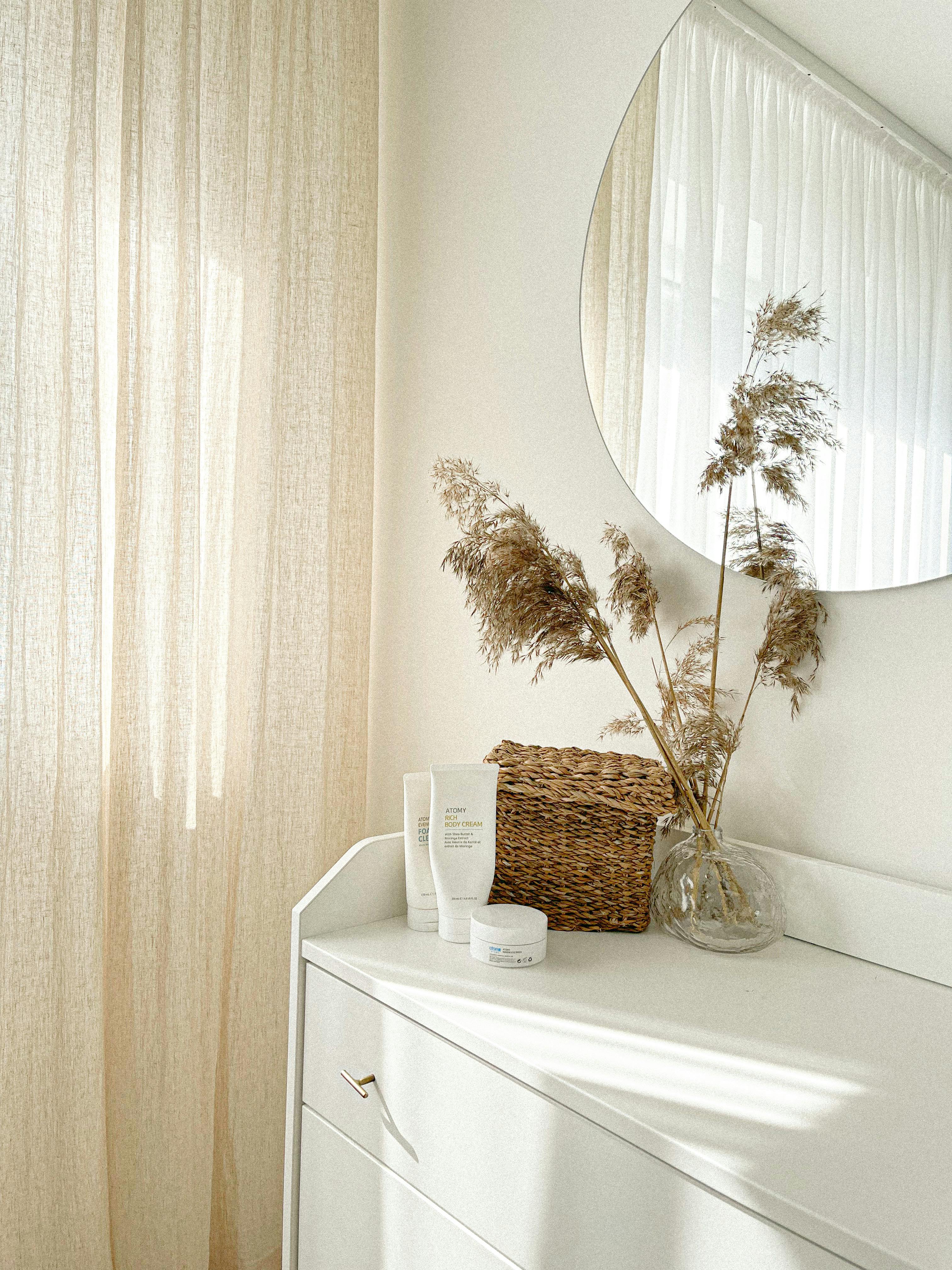
6. Create a Cool, Hotel-Style Master Suite
The five-star hotels the city is famous for inspire a great many Dubai homeowners, and that look is very achievable. At its core, the look needs a big upholstered headboard, symmetrical bedside lights, crisp layered linen and a restrained, tonal palette. A bench at the bed’s foot, blackout drapery, and a narrow console add the finishing hotel cues without cluttering the room. Boutique interior studios such as Muse Design, Zen Interiors, and Sneha Divias Atelier work in exactly this detail-led register across the city. Room to spare? A reading nook or a window-side lounge chair makes it a proper retreat. A hotel-style master refresh generally starts around AED 40,000 for styling to well beyond AED 150,000 for a complete villa suite in 2026.
7. Set Up Smart-Home Comfort
Smart-home tech has gone from novelty to expectation in the city’s newer buildings, and it is in the bedroom that it earns its keep. Thanks to motorised blinds, app-controlled lighting and a smart thermostat, the room readies itself for sleep at a single tap. Climate control is especially valuable here, since timing the air-conditioning to your sleep pattern improves both comfort and energy use. Small additions like bedside USB charging, wireless pads, and discreet cable management do away with the daily hassle of devices. Doing the wiring during the renovation beats retrofitting later behind finished walls on cost. A tidy smart-bedroom package usually starts around AED 6,000 and rises with the number of integrated systems in 2026.
8. Make Kids’ and Guest Rooms Flexible
Secondary bedrooms pull their weight most when they can switch functions, because families’ needs change and guests come and go. With a daybed or a sofa bed, a study can double as a guest room without dedicating a whole room to occasional visitors. Where children are concerned, modular furniture and adjustable shelving keep the room working as they grow from toddler to teenager. Because these rooms take a beating, durable, wipe-clean finishes matter more than in a show bedroom, so use hard-wearing paints and laminates. With the palette kept calm, let colour arrive through easily changed bedding, art, and accessories. Reckon on AED 15,000 to AED 45,000 for a flexible secondary bedroom fit-out in 2026, with joinery and furniture setting the figure.
Building the Ideas Into a Budget
Once you have chosen the ideas that fit your home, it is useful to see how they add up across different room types. The chart below sorts typical 2026 spends into a light update, meaning paint, lighting, textiles, and styling, versus a complete redesign taking in joinery and furniture. These are market estimates rather than quotes, as always, and your final number depends on finish level, brand, and whether you hire a designer. With smaller rooms and a tighter scope, apartments generally cost less. Because of their size and the appetite for dressing rooms and premium finishes, villa master suites lead the range. Use the figures to prioritise, spending where you feel the difference every night and economising where you will not.
| Room | Light refresh (est. 2026) | Full redesign, 2026 est. | Where it all goes |
|---|---|---|---|
| Flat bedroom | AED 12,000–30,000 | AED 35,000–90,000 | Lighting, textiles, a built-in wardrobe and the bed |
| Villa master suite | AED 25,000–60,000 | AED 90,000–250,000+ | Joinery, a dressing room and premium furniture |
| Kids’ room or guest room | AED 10,000–25,000 | AED 30,000–70,000 | Modular furniture, hard-wearing finishes and storage |